In the world of textiles, polyester knit fabric has emerged as a popular choice among global buyers. This versatile material offers numerous advantages that cater to various industries, from fashion to home decor. Its unique structure provides a combination of comfort, durability, and aesthetic appeal, making it an ideal option for many applications.
One of the key benefits of polyester knit fabric is its exceptional strength. Unlike some natural fibers, it resists wear and tear, ensuring longevity and value over time. Additionally, this fabric is lightweight and easy to care for. It can withstand frequent washing without losing its shape or color. However, the environmental impact of polyester production raises sustainability concerns that merit further examination.
Understanding the multifaceted qualities of polyester knit fabric can empower buyers to make informed decisions. While it offers outstanding performance, there is a growing need to balance convenience with ecological considerations. This reflects the dynamic nature of fabric selection in today's market.
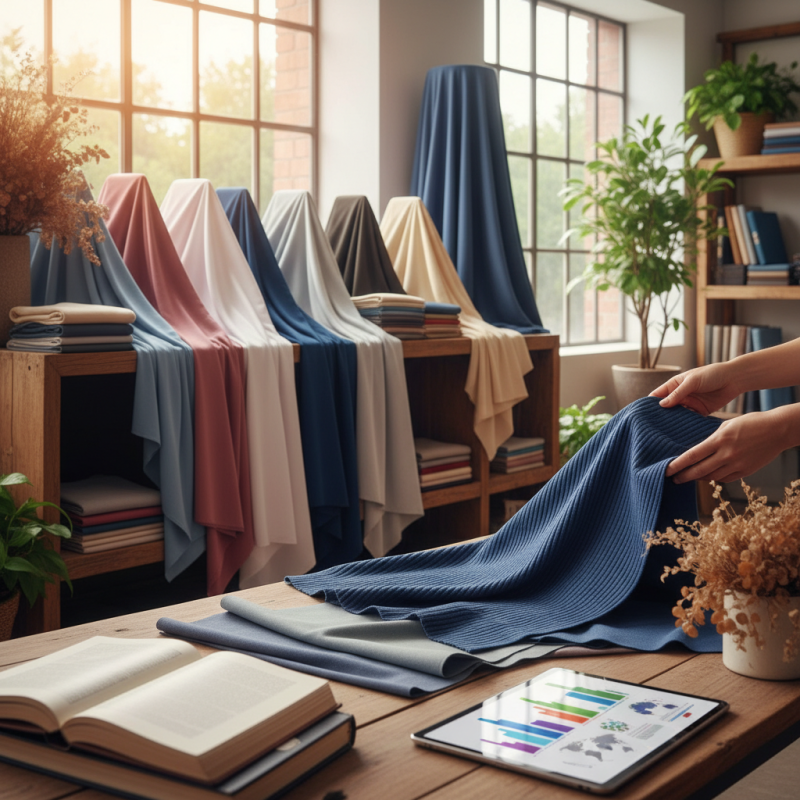
Polyester knit fabric has gained popularity among global buyers due to its numerous advantages. This synthetic fabric is known for its durability and resilience. According to a report by Technavio, the global polyester market is projected to reach USD 163 billion by 2025, driven by its extensive applications in clothing and home textiles. The ability to withstand wear and tear contributes to its appeal in the fast-paced fashion industry.
Moreover, polyester knit fabric is lightweight and provides excellent elasticity. This makes it comfortable for everyday wear. In many cases, it can be blended with other fibers to improve performance and maintain fabric integrity. Sustainability is also a significant consideration; however, recycling polyester is still a challenge. Research indicates that only about 15% of polyester is recycled globally. While the environmental impact is a concern, the innovation in recycling technologies presents a potential avenue for improvement.
The fabric's resistance to shrinking and fading adds to its long-term value. Many manufacturers favor polyester knits for their cost-effectiveness. As the market evolves, buyers must stay informed about fabric quality and sourcing. The journey to find reliable suppliers can feel daunting. Nonetheless, understanding the fabric’s properties makes the decision-making process easier. Engaging with industry experts can provide valuable insights, helping buyers navigate the complexities of the global textile market.
Polyester knit fabrics are gaining recognition for their durability and longevity. A report by the Textile Institute notes that polyester can withstand wear and tear better than natural fibers. It has a tensile strength five to seven times higher than cotton, making it ideal for garments needing resilience.
The moisture-wicking properties of polyester also contribute to its durability. It dries quickly, which helps prevent the growth of mildew. According to a study by the American Fiber Manufacturers Association, polyester retains its shape well over time, even after multiple wash cycles. This quality is essential for global buyers seeking long-lasting materials for various applications.
However, not all polyester is created equal. Some lower-quality fabrics may pill or fade over time. The process of producing polyester can impact its longevity as well. Eco-conscious consumers and businesses need to consider these factors. While many appreciate the strengths of polyester knit fabrics, they should also be aware of potential trade-offs in quality.
| Benefit | Description | Durability Rating |
|---|---|---|
| High Durability | Polyester knit fabrics are resistant to tearing and abrasion, making them highly durable for various applications. | 9/10 |
| Longevity | These materials maintain their appearance and structural integrity even after multiple washes. | 8/10 |
| Easy Care | Polyester knits are machine washable and require minimal maintenance, making them user-friendly. | 9/10 |
| Moisture Wicking | These fabrics effectively pull moisture away from the body, keeping users dry and comfortable. | 7/10 |
| Color Retention | Polyester retains color well, preventing fading even with prolonged exposure to sunlight. | 8/10 |
| Versatility | Suitable for a variety of applications, including apparel, home textiles, and industrial uses. | 9/10 |
| Lightweight | Polyester knits are lightweight, enhancing comfort without compromising performance. | 8/10 |
| Stretchability | The knit structure allows for flexibility and movement, making them ideal for activewear. | 9/10 |
| Affordability | Generally more cost-effective compared to other fabric alternatives, providing good value. | 8/10 |
| Eco-Friendly Options | Recycled polyester options are available, contributing to sustainable textile practices. | 7/10 |
Polyester knit fabric stands out for its breathability and comfort. This type of fabric allows air to circulate, making it a great choice for activewear. It wicks moisture away from the body, keeping wearers dry during workouts. This feature is particularly beneficial in humid climates where sweat can hinder comfort.
Additionally, the elasticity of polyester knit contributes to its comfort. It moves with the body, providing freedom of movement. Whether for yoga or everyday wear, it offers a snug fit without restriction. However, it's essential to consider how different blends affect breathability. Some blends may not perform as well in moisture management. Choosing the right polyester blend is key for optimal comfort.
Overall, polyester knit fabric offers practical advantages. It combines comfort, breathability, and durability. This makes it a preferred choice across various markets. As buyers explore their options, understanding the nuances of the material is crucial.
Polyester knit fabric has gained popularity among global buyers. Its cost-effectiveness is a significant draw. This fabric is affordable due to low production costs, making it accessible for various applications. From clothing to home textiles, the price remains attractive across the board.
When considering polyester knit, think about the benefits it offers. It is durable and resistant to wrinkling and shrinking. Buyers can expect longevity without a hefty price tag. Additionally, these fabrics require less maintenance. They dry quickly, saving time and energy. This efficiency is especially beneficial for those seeking practicality.
Tips: Always compare prices from different suppliers. Look for quality over price alone. Consider how the fabric performs after multiple washes. Join forums or groups to share experiences with polyester knit. Reflecting on these aspects can lead to wiser purchasing decisions.
Polyester knit fabric has gained fame for its versatility across various fields. In the fashion industry, this fabric serves countless purposes. Designers love it for its lightweight yet durable nature. It drapes beautifully, making it perfect for garments that require movement. From casual wear to high-fashion pieces, polyester knit adapts to diverse styles and trends.
In activewear, polyester knit's moisture-wicking properties shine. Athletes prefer it for its breathability and comfort. It allows for quick drying, making workouts more enjoyable. Additionally, this fabric is less likely to lose its shape. However, one must be cautious while washing. Too much heat can alter its elasticity, leading to potential fabric distortion.
When using polyester knit, consider the blend. Mixing it with other fibers can enhance its properties. For instance, combining it with spandex adds stretch, ideal for fitted clothes. Testing different blends before production can lead to better outcomes. Investing time in research pays off in garment quality. Remember, each decision affects the final product’s appeal and performance.
: Polyester knit fabric is durable and resilient, making it ideal for various applications. Its lightweight and elastic qualities enhance comfort.
Designers appreciate its versatility. It can create anything from casual wear to high-fashion pieces due to its beautiful drape.
Polyester knit has moisture-wicking properties, allowing for breathability and quick drying. Athletes enjoy its comfort during workouts.
Yes, recycling polyester is challenging, with only about 15% being recycled globally. This raises questions about sustainability.
Mixing polyester with other fibers, like spandex, can enhance properties. This leads to better stretch and fit for garments.
Be careful with heat. Too much can distort the fabric's elasticity and shape. Proper care is crucial for longevity.
Navigating the market can be complex. Understanding fabric quality and finding reliable suppliers is essential for success.
Knowledge about properties makes decision-making easier. Engaging with industry experts can provide valuable insights for better choices.
While recycling is a challenge, advancements in technology may improve efficiency. This could help mitigate environmental impacts.
Testing different blends allows for better outcomes. Each decision impacts the final product’s appeal and performance significantly.
Polyester Knit Fabric offers a multitude of advantages that make it an ideal choice for global buyers. Its durability and longevity ensure that products maintain their integrity over time, making it suitable for various applications. The breathability and comfort inherent in polyester knit materials contribute to user satisfaction, particularly in clothing and activewear. Moreover, the cost-effectiveness of polyester knit fabric attracts buyers, allowing them to obtain high-quality materials without breaking the bank.
In addition to its economic benefits, polyester knit fabric stands out for its versatility. It can be used in a wide range of products, from fashion apparel to functional textiles, making it a go-to option for manufacturers across the globe. As demand continues to rise, understanding the key features of polyester knit fabric will empower buyers to make informed decisions, ultimately enhancing their product offerings.