In the world of textiles, Nylon Fabric stands out for its versatility and durability. Expert Sarah Thompson, a fabric consultant with over 15 years in the industry, emphasizes, "Nylon Fabric offers an unmatched balance of strength and elasticity." This characteristic makes it a popular choice for various applications, from apparel to industrial uses.
The benefits of Nylon Fabric extend beyond mere durability. This fabric is resistant to abrasion and mold, ensuring longevity and reliability. Its lightweight nature is another advantage, providing ease of use in manufacturing. Many brands are turning to Nylon Fabric to enhance their product offerings and boost customer satisfaction. However, sustainability concerns around nylon production should not be overlooked. Addressing these issues is crucial for businesses aiming for ethical practices in their operations.
Choosing the right fabric can be daunting. While Nylon Fabric has significant advantages, it's important to weigh these against potential environmental impacts. Engaging experts in the field can guide businesses toward sustainable choices. In this dynamic industry, staying informed is vital for success.
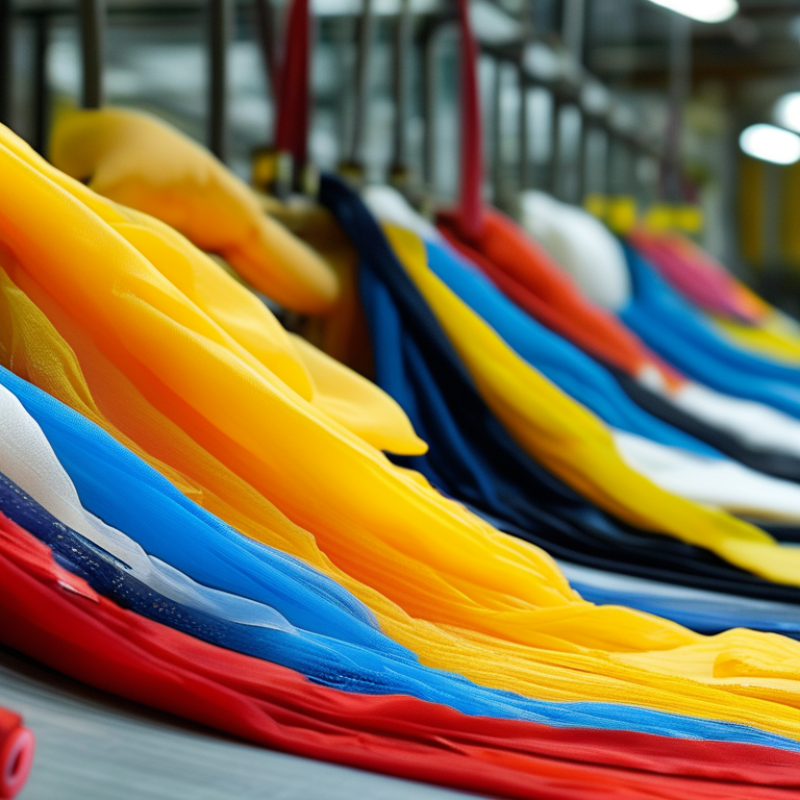
Benefits of Nylon Fabric in Industrial Applications
Nylon fabric is increasingly popular in various industrial applications. Its durability and strength make it an ideal choice for manufacturing. Many businesses rely on nylon for products that need to withstand wear and tear. This is particularly relevant in sectors like construction and transportation.
In addition to durability, nylon is lightweight. This feature benefits industries that prioritize efficiency. For instance, using nylon can reduce fuel costs in logistics. However, not all nylon fabrics are created equal. Some may not perform as expected under specific conditions. It's essential to test materials before committing to large orders.
Another benefit is the fabric's resistance to moisture and chemicals. This property helps in industries like food processing or pharmaceuticals. Workers can trust that their gear will hold up. Yet, businesses must remember that proper maintenance is crucial. Regular checks ensure that nylon items remain effective and safe. Relying solely on nylon without quality checks can lead to failures.
Durability and Resistance: How Nylon Stands Out in Fabric Choices
Nylon fabric is increasingly popular in various businesses due to its impressive durability. Unlike other materials, nylon can withstand wear and tear. This makes it an ideal choice for products that experience heavy usage, such as outdoor gear and clothing. With its strong fibers, nylon is resistant to fraying, tearing, and fading. This means your products can maintain their appearance over time with minimal degradation.
Another standout feature of nylon is its resistance to moisture. Nylon repels water, which helps reduce mold and mildew growth. This is particularly important for businesses selling items exposed to the elements. However, some may find that nylon does not breathe as well as natural fibers. This could lead to discomfort in close-fitting garments. Still, the balance of durability and resistance makes nylon a worthwhile option for many.
Choosing nylon can also have an environmental impact. While its durability means longer-lasting products, the fabric is derived from non-renewable resources. It may not be the best choice for eco-conscious businesses. Evaluating the pros and cons is essential. Understanding both the strengths and weaknesses of nylon will help in making informed decisions for your business needs.
Cost-Effectiveness of Nylon Fabric for Businesses in Various Sectors
Nylon fabric offers notable cost-effectiveness for businesses across various sectors. Its durability is impressive, which reduces replacement costs. Companies save money by not needing to frequently replace worn-out materials. This reliability makes nylon a smart choice for manufacturing, textiles, and outdoor gear.
In addition to being strong, nylon is lightweight. This feature helps in cost savings regarding shipping. Transport costs can be minimized due to its low weight. However, businesses must consider their specific needs. For instance, some might find that cheaper alternatives may serve them better. It’s important to weigh the pros and cons carefully.
Another aspect is the versatility of nylon. It can be used in different applications, from clothing to industrial uses. Its ability to blend with other materials adds value. Still, some users report challenges with color fading over time. This highlights the necessity for careful selection and testing. Overall, while nylon presents significant advantages, a thorough evaluation is required to make the best choice for each business’s unique circumstances.
Environmental Impact and Sustainability of Nylon Fabric Solutions
Nylon fabric presents intriguing sustainability opportunities for businesses. It is a synthetic polymer, made from petrochemicals, but advancements are underway. According to the Textile Exchange, the global demand for sustainable nylon is increasing, with a reported rise of 21% in the use of recycled nylon in recent years. This shift is promising, yet it reflects the industry's lingering reliance on non-renewable resources.
The environmental impact of nylon production is significant. Traditional manufacturing methods consume considerable energy and resources. However, new technologies emerge, such as bio-based nylon. Utilizing renewable resources in production could lower carbon footprints substantially. A recent report from the sustainability consultancy Eco-Age indicates that bio-based nylon could reduce greenhouse gas emissions by up to 30% compared to conventional nylon.
Despite these advancements, concerns remain. The recycling rates for nylon are still low compared to its usage, with only 10% currently recycled. This highlights a pressing need for comprehensive recycling programs and consumer education. Reflecting on these challenges encourages businesses to innovate and rethink their approaches to nylon fabric sourcing and production.
What Are the Benefits of Using Nylon Fabric for Your Business? - Environmental Impact and Sustainability of Nylon Fabric Solutions
| Benefit |
Description |
Environmental Impact |
Sustainability Rating |
| Durability |
Nylon fabric is known for its strength and resistance to wear and tear. |
Lower resource usage over time due to longer product life. |
3/5 |
| Lightweight |
Nylon is lightweight, reducing shipping costs and overall carbon footprint. |
Positive impact on transport emissions. |
4/5 |
| Water Resistance |
Nylon is naturally water-resistant, making it suitable for various applications. |
Reduced need for water-repellent chemicals. |
4/5 |
| Recyclability |
Nylon can be recycled and reused to create new materials. |
Helps in reducing landfill waste and promoting circular economy. |
5/5 |
| Cost-Effectiveness |
Nylon's durability can lead to lower replacement costs, enhancing cost-efficiency. |
Less frequent replacements lead to decreased resource consumption. |
4/5 |
Versatility of Nylon Fabric: Applications Across Different Industries
Nylon fabric is well-known for its versatility, making it a top choice across various industries. In the fashion world, designers appreciate its durability and strength. Nylon garments can withstand wear and tear, making them ideal for activewear and outdoor clothing. The vibrant colors and ability to hold shapes add to its appeal for creating stylish, functional pieces.
In the automotive sector, nylon is used for seat covers and upholstery. Its resistance to stains and easy maintenance are essential for high-traffic vehicles. Additionally, in the construction industry, nylon components are used in tools and safety equipment due to their high tensile strength. This material can endure tough conditions while providing necessary safety features.
However, nylon isn't without its drawbacks. It can be prone to melting under high heat. This poses risks in certain manufacturing environments. Environmental concerns also arise since nylon production involves petrochemicals. Finding sustainable alternatives remains a challenge. Despite these issues, the adaptability of nylon continues to drive its widespread use across diverse applications.
FAQS
: Nylon fabric is durable and strong, ideal for products requiring resistance to wear and tear.
Its lightweight quality enhances efficiency, potentially lowering logistics fuel costs.
No, some nylon fabrics may perform poorly under specific conditions. Testing before large orders is crucial.
This feature helps in sectors like food processing, ensuring gear remains effective against moisture.
Regular checks and maintenance are essential to ensure effectiveness and safety over time.
Yes, nylon is derived from non-renewable resources, raising sustainability issues for eco-conscious businesses.
Nylon is durable but may not breathe as well as natural fibers, leading to comfort issues.
Nylon is versatile, found in fashion, automotive, and construction for its durability and strength.
Nylon can melt under high heat and its production involves petrochemicals, causing environmental concerns.
Knowing the limitations of nylon helps make informed decisions for business needs and safety.
Conclusion
Nylon fabric offers numerous advantages for businesses across various sectors, making it a popular choice in industrial applications. Renowned for its durability and resistance to wear and tear, nylon stands out among fabric materials, ensuring products remain reliable over time. Its cost-effectiveness is another significant benefit, allowing businesses to reduce expenses while maintaining quality, thus making nylon fabric an economically viable option for diverse manufacturing needs.
Moreover, the versatility of nylon fabric makes it applicable in various industries, from fashion to automotive, showcasing its adaptability to different environments and requirements. While considering the environmental impact, modern advancements in production processes have led to more sustainable nylon fabric solutions, aligning with businesses' growing focus on eco-friendly practices. In summary, the multifaceted benefits of nylon fabric not only enhance product performance but also support businesses in achieving economic and environmental goals.

 WEIJIN TEXTILE