The demand for Fabric Mesh Roll has risen significantly in various sectors, driven by its adaptability and functionality. According to a recent report by MarketsandMarkets, the global market for mesh products is projected to reach $4.5 billion by 2025. This growth reflects the increasing preference for sustainable materials and versatile applications across industries.
Experts highlight the importance of choosing the right Fabric Mesh Roll. Sarah Liu, a leading industry analyst, notes, "Quality mesh materials are crucial for effective performance, especially in construction and agriculture." Buyers must consider various factors, including durability and mesh density, for optimal results. The diversity in options available can be overwhelming, prompting the need for informed choices.
While many manufacturers offer Fabric Mesh Roll, not all provide the same level of quality. Some products may lack the necessary sturdiness, leading to frustration for users. Thorough research and expert advice can mitigate these issues. Ultimately, understanding the market and available options can empower global buyers to make the best choices suited to their specific needs.
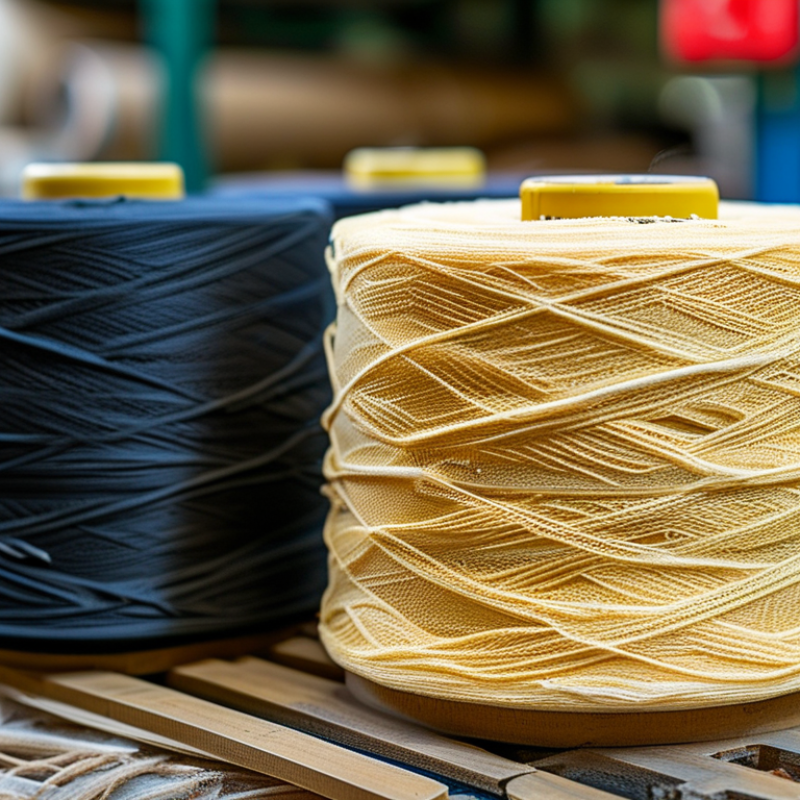
When considering fabric mesh rolls, understanding the various types is crucial for global buyers. These rolls come in different materials and designs, catering to a wide range of applications. Common fabric types include polyester, nylon, and cotton meshes. Each has its benefits. For example, polyester is lightweight and highly durable. Cotton, on the other hand, is more breathable and eco-friendly.
Additionally, the characteristics of fabric mesh rolls can vary significantly. Some meshes offer varying levels of transparency, while others provide different thicknesses. Buyers should reflect on their specific needs. Are you looking for a heavy-duty option or something more delicate? Ultimately, knowing the intended use helps in making informed choices.
It's also worth noting that not every supplier provides consistent quality. Many importers face challenges in sourcing reliable materials. This inconsistency can lead to unexpected results in projects. Prospective buyers should prioritize suppliers with transparent sourcing practices and quality assurances. Ensuring you choose trustworthy partners is essential for success in your projects.
When choosing fabric mesh rolls, key features are paramount. One major consideration is the material used. Mesh rolls can be made from polyester, nylon, or vinyl. Each offers different durability and flexibility. For outdoor applications, UV resistance is crucial. Fabrics that fade or deteriorate under sunlight are not ideal.
Another important aspect is the mesh's openness. A tighter weave provides more privacy but less airflow. Conversely, a looser weave allows more ventilation. Depending on your needs, this can significantly affect usability. Look for rolls that provide a balance between breathability and coverage.
Lastly, consider the roll size. Standard widths vary, and selecting the right length is essential for your project. Larger rolls may seem convenient, but smaller sizes can be easier to handle. Evaluate your specific requirements carefully. Each detail matters. Fabric mesh rolls can enhance your space or project when selected thoughtfully.
When looking for top quality fabric mesh rolls, global buyers seek reliable options. A recent industry report shows that the demand for high-quality mesh fabrics has grown by 15% over the last decade. This growth is driven by various sectors. Construction, agriculture, and automotive industries are leading consumers of fabric mesh products. Consumers prioritize durability and versatility.
Many fabric mesh options offer UV resistance and breathability. These features enhance the efficiency of production processes. However, not all products live up to expectations. Some brands compromise on quality. Research indicates that cost-cutting measures often lead to inferior materials. This creates issues like fraying edges and reduced strength.
Buyers should consider their specific needs when choosing fabric mesh rolls. It is crucial to review product specifications carefully. Transparency in manufacturing processes is also essential. A lack of clear information can lead to dissatisfaction. Making informed choices requires understanding both the benefits and potential limitations of various offerings.
| Product Type | Width (inches) | Length (yards) | Material | Price (USD) | Ideal Use Cases |
|---|---|---|---|---|---|
| Lightweight Mesh | 36 | 10 | Polyester | $15 | Outdoor Furniture Covers, Garden Screens |
| Heavy Duty Mesh | 48 | 30 | Nylon | $25 | Industrial Tarps, Safety Screens |
| Decorative Mesh | 60 | 5 | Cotton | $20 | Crafting, Interior Décor |
| Outdoor Mesh | 72 | 50 | Polypropylene | $30 | Backyard Netting, Privacy Screens |
When exploring fabric mesh rolls, buyers face a wide spectrum of options. Different materials result in varying levels of durability and flexibility. Some mesh rolls are heavier, perfect for industrial applications, while others are lighter for crafting. Understanding these distinctions is vital for selecting the right type to meet specific needs.
Pricing often reflects quality, yet not all high-priced options guarantee superior performance. A decent-quality fabric mesh roll might come at a reasonable cost, especially if sourced from reputable suppliers. Buyers should consider factors such as material composition and weave density. These details significantly impact the functionality and longevity of the rolls.
Investing time in researching user reviews is essential. These reviews highlight real-world experiences, shedding light on any potential downsides. Sometimes, lower-priced options may underperform in specific conditions. Balancing price with quality remains key. Relying on comprehensive comparisons can lead to informed choices and satisfactory purchases.
When sourcing fabric mesh rolls, global buyers face unique challenges. Understanding material specifications is crucial. Different applications require various mesh types, such as polyester or nylon. Buyers need to consider strength, durability, and breathability. These factors impact functionality and longevity.
Import considerations are equally important. Logistics play a key role in the process. Ensuring reliable shipping and customs clearance can be complex. Documentation requirements may differ across countries. Buyers should research regulations to avoid delays. Cultivating relationships with suppliers can ease this process.
Pricing strategies also require careful thought. Cost fluctuations in raw materials can affect final pricing. Buyers should compare multiple suppliers to find the best deals. However, chasing the lowest price may lead to compromised quality. Finding a balance between cost and quality is essential for success. Each step in the sourcing process demands attention and strategic planning.
: Common materials include polyester, nylon, and cotton. Each type has unique benefits.
Some mesh rolls are heavy-duty while others are lighter. The choice depends on intended use.
No, transparency varies among different mesh types. Buyers should consider their visual requirements.
Prioritize suppliers with transparent sourcing practices. Quality assurances are crucial for satisfactory results.
Material composition and weave density influence pricing. Higher prices do not always mean better quality.
Yes, user reviews provide valuable insights into performance and potential downsides of products.
No, consistency varies among suppliers. Research is necessary to find reliable options.
They may underperform in certain conditions. Balancing price and quality is essential.
It is very important. Knowing your specific needs guides you in making the right choice.
Buyers should consider their specific needs and the mesh characteristics that suit their projects.
The article "Best Fabric Mesh Roll Options for Global Buyers" provides a comprehensive overview of the various types of fabric mesh rolls available for international procurement. It highlights essential features that buyers should consider, such as durability, breathability, and versatility, which are crucial for different applications across industries. The guide also facilitates a comparison of quality and prices, enabling buyers to make informed decisions based on their budget and requirements.
Additionally, the article addresses important sourcing and import considerations for global buyers, including logistics, compliance with international standards, and vendor reliability. By centralizing this information, the article serves as a valuable resource for those looking to purchase fabric mesh rolls effectively and efficiently, ensuring they meet their specific needs while navigating the global marketplace.