Embroidery fabric plays a crucial role in the success of any project. Choosing the right fabric can elevate your designs. It impacts texture, durability, and color vibrancy. Different projects require different embroidery fabric types. A beginner might feel overwhelmed by the options available.
Understanding various fabric types makes the choice easier. Cotton, silk, and polyester are popular choices. Each has unique properties that can affect the final result. For example, cotton is soft and easy to work with. However, silk offers a luxurious finish but can be tricky to embroider.
This guide aims to clarify your choices. Selecting the right embroidery fabric can transform your work. It’s essential to experiment with various fabrics to find what suits you. Remember, perfection isn’t always the goal; learning is. Embrace mistakes as they teach valuable lessons in your embroidery journey.
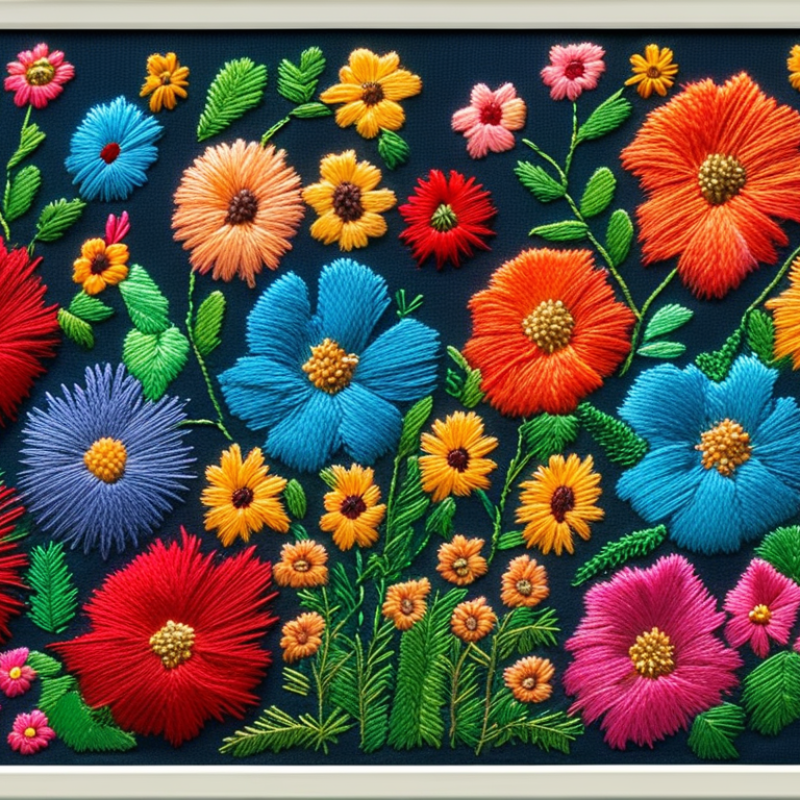
When selecting fabrics for embroidery, understanding the various types available is crucial. Cotton is a popular choice, known for its versatility and ease of use. According to industry reports, cotton fibers possess excellent embroidery qualities, enabling fine detail work. A study by the Textile Research Journal highlights that cotton fabrics can withstand repeated handling, making them ideal for both novice and experienced embroiderers.
Another option is linen, valued for its strength and natural luster. It’s breathable and suitable for summer projects. However, linen can be challenging to properly stabilize during embroidery. Some artisans find that it requires extra care to prevent distortion in intricate designs. Synthetic fabrics like polyester also deserve mention. They offer color vibrancy and durability. A report by the American Needlepoint Guild shows that polyester’s resilience against fading makes it a favorite for long-lasting pieces.
Silk provides an elegant finish with its smooth texture. Yet, it can be slippery, making it difficult for newbies. Many experienced stitchers prefer silk for its rich color and sheen, but they often encounter challenges with tension. The right choice depends on personal style and project needs. Overall, each fabric type brings unique qualities and challenges that require thoughtful consideration.
| Fabric Type | Description | Best For | Embroidery Compatibility |
|---|---|---|---|
| Cotton | Soft, breathable fabric with a smooth surface. | T-shirts, quilts, and aprons. | High compatibility, easy to stitch. |
| Linen | Natural fiber, known for its durability and breathable qualities. | Tablecloths and home decor. | Good compatibility, may require a stabilizer. |
| Polyester | Synthetic, wrinkle-resistant and durable. | Activewear and outerwear. | Very good compatibility, holds designs well. |
| Denim | Thick and sturdy fabric, perfect for heavy use. | Jackets and jeans. | Good compatibility, may need special needles. |
| Silk | Luxurious, smooth fabric with a natural sheen. | Formal wear and accessories. | Requires care; use lightweight threads. |
: Fiber content influences breathability and comfort. Natural fibers like cotton absorb moisture; synthetic fibers offer durability.
Common choices include cotton, linen, and polyester blends. Cotton is favored for softness, while linen offers unique texture.
Natural fabrics fray and may fade. Synthhetics resist wrinkles but can be less soft and less breathable than natural options.
Clean and pre-wash your fabric to remove chemicals. Use gentle detergent without fabric softeners for best results.
Stabilizers keep fabric flat and secure. The wrong stabilizer may cause puckering or uneven stitches during embroidery.
Use a scrap piece of fabric to test design placement and tension. This helps identify issues before starting the final project.
Linen may slide during stitching and requires careful handling. Some embroiderers find it tricky, leading to frustration.
Yes, many learn valuable lessons through trial and error. Embracing mistakes can lead to improved techniques over time.
Weigh the pros and cons of different fabrics. Consider each type's unique features and what suits your design best.
Polyester blends are durable and resist fading, making them suitable for items like uniforms. They have their challenges, though.
When embarking on your next embroidery project, selecting the right Embroidery Fabric is crucial for achieving optimal results. Various fabric types cater to different techniques, with options ranging from natural fibers like cotton and linen to synthetic materials such as polyester. Understanding the fiber content is essential, as it influences the overall look and feel of the finished piece. Additionally, considering the fabric weight is important; heavier fabrics may be suitable for machine embroidery, while lighter options work well for hand-stitching.
Preparing and stabilizing your Embroidery Fabric prior to starting your work can significantly impact the embroidery's success, ensuring crisp designs and preventing distortion. Whether you opt for popular choices like canvas, twill, or quilting cotton, the right fabric will enhance your project's quality and durability, making your creative vision a reality.

 WEIJIN TEXTILE