In the world of knitted fabric, the options are vast and varied. Sourcing the right fabric for global needs requires careful consideration. Knitted fabric plays a critical role in the textile industry, known for its stretchability and comfort.
Understanding the different types of knitted fabric can be challenging. Each type has unique properties and applications. For instance, jersey knits are soft and versatile, while ribbed knits provide excellent elasticity. It’s essential to assess your requirements carefully before making a decision. Not all knitted fabrics are suitable for every project, and the wrong choice can lead to disappointment.
Market trends and consumer preferences evolve rapidly. Staying updated on knitted fabric innovations can enhance sourcing strategies. However, the choices can be overwhelming. Relying solely on popular products may not always yield the best results. Reflecting on individual needs and preferences is crucial for successful sourcing.
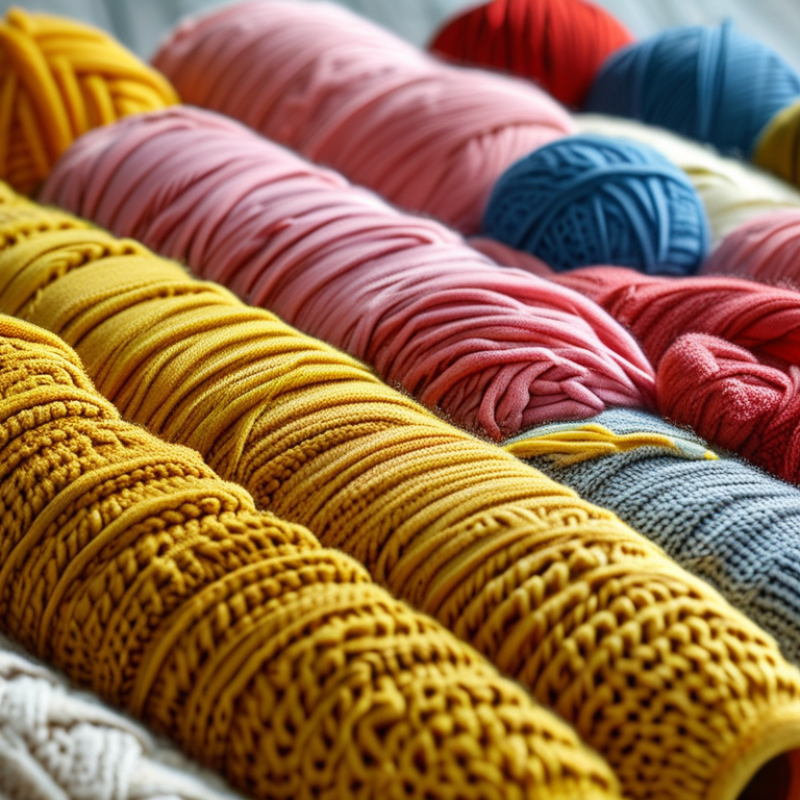
Understanding Knitted Fabric: A Comprehensive Guide
Knitted fabrics have revolutionized the textile industry. They offer versatility, comfort, and stretch. Understanding the various types is essential for sourcing, especially in a global market. Each type possesses distinct characteristics that cater to different needs.
Cotton knits, for example, are soft and breathable. They’re ideal for casual wear. However, they can lose shape over time. On the other hand, polyester knits are durable and moisture-wicking. They resist wrinkles but lack the breathability of natural fibers. Choosing the right fabric depends on the end use and desired qualities.
Many fabric types come with specific manufacturing methods. Some knitted fabrics are made using interlock methods, creating a dense structure. Others use jersey techniques for a lighter feel. This variety invites experimentation and creativity in textile design.
However, sourcing challenges can arise, such as quality inconsistency. Addressing these issues requires collaboration and clear communication with suppliers. Risks exist, and careful consideration is necessary to achieve the desired results.
Key Characteristics of Various Knitted Fabric Types
Knitted fabrics come in various types, each with unique characteristics that cater to different global sourcing needs.
Jersey knit is popular for its stretch and softness. This fabric is light and breathable, making it perfect for casual wear.
Its smooth surface allows for vibrant prints. However, jersey can lose shape over time.
Interlock knit provides more durability and thickness. It has a double-knit construction, creating a stable fabric that resists curling.
This quality makes it ideal for activewear and children's clothing. Yet, its added weight may not be suitable for every climate.
Rib knit is recognized for its elasticity and texture. The vertical ridges of rib knit allow for great stretch, fitting snugly on the body.
It's commonly used for cuffs and necklines. However, it might not hold its structure under heavy designs.
Understanding these nuances can guide manufacturers in making informed sourcing decisions.
Top Global Sourcing Destinations for Knitted Fabrics
When it comes to sourcing knitted fabrics, several key destinations rise to the top of the list.
China remains a dominant player, with a vast network of manufacturers and suppliers.
In 2022, it accounted for over 34% of the global textile market share.
However, concerns about labor practices and environmental standards are prompting buyers to evaluate alternatives.
Bangladesh is emerging as a strong contender, especially for sustainable knitted fabrics. Reports indicate that the country’s knitwear exports reached approximately $4.5 billion in 2021, showcasing a growing focus on eco-friendly practices. Yet, issues like inconsistent quality and long lead times remain challenges for global buyers.
Countries like Vietnam and India also offer competitive options, with Vietnam showing a 10% annual growth in textile exports recently.
While these regions provide valuable sourcing opportunities, each comes with its complexities. Buyers must navigate fluctuating tariffs and trade policies. The shift towards sustainability adds another layer of difficulty, as manufacturers adapt to new standards.
It's essential to conduct thorough research and build reliable partnerships to meet the ever-changing global sourcing needs in knitted fabrics.
Factors Influencing the Quality of Knitted Fabrics
When sourcing knitted fabrics, quality is influenced by various factors. One crucial element is the type of yarn used. Yarn can vary in thickness, texture, and durability. Synthetic fibers may offer more stretch and resilience. Natural fibers often provide breathability and comfort. Each choice impacts the final feel and performance of the fabric.
Another aspect is the knitting technique. Different methods, such as ribbing or interlock, yield distinct properties. For instance, ribbed fabrics offer elasticity, while interlock provides a smoother finish. It's essential to consider how the technique affects both aesthetics and usability. Sourcing decisions should reflect the intended application of the fabric.
Additionally, the finishing processes can significantly alter quality. Treatments like dyeing, softening, and anti-pilling enhance the fabric's appeal. However, some finishes may compromise breathability or stretch. Quality control during these processes is vital. Identifying reliable suppliers can minimize potential issues in sourcing.
Best Knitted Fabric Types for Global Sourcing Needs
| Fabric Type |
Material Composition |
Weight (GSM) |
Stretchability |
Typical Uses |
Quality Factors |
| Cotton Knit |
100% Cotton |
150-200 |
Moderate |
T-shirts, Casual Wear |
Softness, Breathability |
| Polyester Knit |
100% Polyester |
120-180 |
High |
Activewear, Sportswear |
Durability, Moisture-wicking |
| Rayon Knit |
100% Rayon |
150-220 |
Low to Moderate |
Dresses, Blouses |
Lustre, Softness |
| Wool Knit |
100% Wool |
250-350 |
Low |
Sweaters, Scarves |
Insulation, Breathability |
| Nylon Knit |
100% Nylon |
100-150 |
High |
Underwear, Swimwear |
Elasticity, Resistance to Mildew |
Sustainability Trends in Knitted Fabric Manufacturing
Sustainability is reshaping the knitted fabric industry. Reports indicate that around 70% of consumers prefer eco-friendly products. This has driven manufacturers to adopt sustainable practices in sourcing and production. The use of recycled materials, such as recycled polyester, is rising. This fabric significantly reduces waste and conserves resources.
Recent studies show that sustainable practices can reduce a company’s carbon footprint by up to 30%. However, challenges remain in achieving consistent quality while maintaining environmental standards. Transparency in the supply chain is crucial. Consumers seek certifications to ensure sustainable sourcing. Brands report that traceability efforts often expose flaws in their supply chains.
Innovations in dyeing processes are also key. Traditional dyeing can consume up to 200 liters of water per kilogram of fabric. New digital dyeing techniques reduce water usage significantly. Yet, the cost of implementing these technologies can be prohibitive for smaller manufacturers. Balancing sustainability with profitability continues to force the industry to rethink production methods. Continued investment and commitment to sustainability will shape the future of knitted fabrics.
Best Knitted Fabric Types for Global Sourcing Needs
This chart represents the sustainability trends in the manufacturing of various knitted fabric types sourced globally. The data includes the percentage share of each fabric type in terms of sustainability practices such as organic sourcing, recycled materials, and traditional production methods.
FAQS
: The main types are jersey knit, interlock knit, and rib knit. Each has unique characteristics suitable for different uses.
Jersey knit is known for its stretch, softness, and breathability. It's perfect for casual wear and vibrant prints.
Jersey can lose its shape over time, which may affect its fit and appearance.
Interlock knit is durable and thicker, resisting curling. This makes it ideal for activewear and children's clothing.
Its weight may not be suitable for warmer climates, limiting its versatility.
Rib knit has vertical ridges that allow for great elasticity and a snug fit, commonly used in cuffs and necklines.
Rib knit might struggle to maintain its structure under heavy designs, which can affect its overall durability.
Quality is influenced by the type of yarn, knitting technique, and finishing processes used in production.
Yarn can vary in thickness and texture. Synthetic fibers may be stretchy while natural fibers offer comfort.
Quality control ensures that finishes do not compromise fabric properties. Reliable suppliers can help minimize sourcing issues.
Conclusion
This article provides a comprehensive insight into various types of knitted fabric, highlighting their unique characteristics and suitability for global sourcing needs. It delves into the essential features that distinguish different knitted fabric types, enabling manufacturers and designers to make informed choices based on their specific requirements. Additionally, it explores the top destinations for sourcing these fabrics, offering a global perspective on availability and quality.
Furthermore, the article examines the factors that influence the quality of knitted fabrics, including the materials used, manufacturing processes, and technological advancements. It also addresses sustainability trends in knitted fabric manufacturing, emphasizing the importance of environmentally friendly practices in the textile industry. By understanding these aspects, stakeholders can better navigate the complexities of sourcing knitted fabrics in a responsible and effective manner.

 WEIJIN TEXTILE