When it comes to sourcing high-quality Printed Net Fabric, insights from industry experts can guide decision-making. Renowned textile analyst Dr. Emily Carter emphasizes, “The right printed net fabric can elevate any design.” This statement highlights the importance of selecting the appropriate materials for both aesthetic and functional purposes in global markets.
Printed Net Fabric has gained popularity for its versatility in various applications. Designers appreciate its lightweight nature and unique designs. This fabric serves in fashion, home décor, and industrial uses, aligning with diverse sourcing needs. However, challenges exist in sourcing consistency and quality across different suppliers.
Moreover, the growing demand leads to an over-saturation of options. Not all printed net fabrics meet the required standards. Striking the right balance between quality and cost remains essential. Thus, understanding the dynamics of this industry is crucial for effective sourcing.
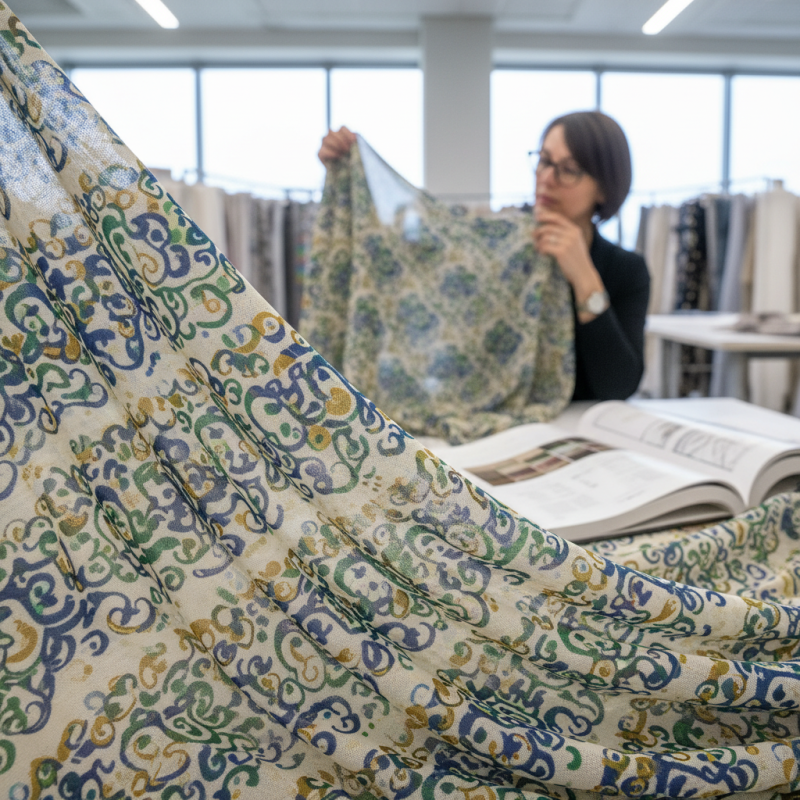
When considering printed net fabrics for global sourcing, a variety of options are available. These fabrics come in distinct types, catering to different markets and needs. For instance, sheer netting is often utilized in fashion, offering a delicate aesthetic that attracts designers and brands worldwide. According to a recent industry report by Textile Exchange, the demand for lightweight net fabrics has surged by 15% in the past year alone.
Another prominent type is embroidered net fabric. This fabric provides texture and depth to garments, making it suitable for both formal wear and casual attire. Reports indicate that the market for embroidered textiles is projected to grow at a CAGR of 6.5% through 2028. This growth reflects a rising interest in intricate designs and personalized fashion. However, sourcing these textiles can pose challenges, such as ensuring quality control and ethical production standards.
Lastly, digital-printed nets are gaining traction due to their ability to be customized quickly. This adaptability appeals to fast-fashion brands seeking to keep up with trends. While the technology is advancing, sourcing high-quality digital prints remains a quest. Some fabrics may not achieve desired color accuracy or durability. This inconsistency highlights the importance of selecting reliable suppliers who can meet both aesthetic and functional requirements.
When sourcing printed net fabrics, several key factors demand attention. Understanding the material's composition is crucial. Different blends can affect durability and print quality. Most printed net fabrics come in polyester or nylon variations. Polyester tends to be more affordable, while nylon offers better strength. Crafting the right blend can impact the final product significantly.
Next, evaluate the printing techniques used for the designs. Digital printing often provides vivid colors and intricate patterns. However, it may not be as durable as screen printing. Assessing colorfastness is essential, especially if the fabric will be used in high-wear applications. Running tests on samples can reveal potential issues before reaching production.
Another factor is environmental commitment. Many suppliers are now prioritizing sustainable practices. Look for fabrics made from recycled materials or produced with eco-friendly dyes. This commitment can enhance your brand’s image while promoting environmental responsibility. Reflect on how these choices align with your company's values; sourcing decisions should not just focus on aesthetics but also on ethical implications.
The global demand for printed net fabrics continues to rise. Reports indicate that the market for net fabrics is expected to grow by 5.3% annually. This growth is driven by industries like fashion, automotive, and home décor. Many manufacturers and suppliers are exploring sustainable sourcing methods, ensuring that printed net fabrics meet eco-friendly standards.
Top suppliers of printed net fabrics are located in regions known for textile production. Countries like China, India, and Turkey lead the way. Each offers unique options in texture and print quality. Suppliers often focus on innovation, adopting advanced printing techniques, which improves design precision. A report by Technavio highlights that suppliers embracing digital printing grow faster than traditional methods.
However, challenges remain for sourcing professionals. They must navigate issues like supply chain disruption and raw material costs. Fluctuating prices can impact manufacturers' ability to deliver consistently. It's crucial to develop relationships with reliable suppliers. This can create more stable sourcing conditions. As demand evolves, feedback loops between buyers and suppliers will be necessary. Collaboration can help refine product offerings.
| Country | Supplier Type | Fabric Type | Minimum Order Quantity (MOQ) | Lead Time (Days) |
|---|---|---|---|---|
| China | Manufacturer | Polyester Net | 1000 meters | 30 |
| India | Supplier | Cotton Net | 500 meters | 25 |
| Turkey | Distributor | Nylon Net | 300 meters | 15 |
| Pakistan | Wholesaler | Polypropylene Net | 2000 meters | 40 |
| Vietnam | Manufacturer | Mesh Net | 1000 meters | 20 |
Printed net fabrics are gaining popularity across various industries due to their unique properties. These lightweight, breathable materials are often used in fashion, sportswear, and outdoor gear. They combine functionality with aesthetic appeal, attracting designers and manufacturers alike. The mesh-like structure allows for breathability, making it ideal for garments that require ventilation.
In healthcare, printed net fabrics serve a different purpose. They are used in applications such as surgical gowns and medical uniforms. These fabrics can provide a level of protection while remaining comfortable. Yet, sourcing high-quality printed net fabrics for such sensitive applications poses challenges. Companies must ensure that materials meet stringent health standards.
The home decor sector is also utilizing printed net fabrics. They are employed in curtains and decorative elements. This adds a touch of flair to spaces, but quality consistency can be an issue. Retailers sometimes struggle with finding reliable suppliers who offer vibrant, lasting prints. Balancing aesthetics and durability is an ongoing reflection for manufacturers in this space.
The rise in demand for sustainable materials has pushed industries to reconsider sourcing practices. In the printed net fabric sector, certifications play a vital role in establishing credibility. Reports from the Textile Exchange indicate that over 50% of consumers prefer products made with certified sustainable materials. This preference is driving brands to seek fabrics that meet stringent environmental standards.
Sourcing printed net fabrics with certifications like Global Organic Textile Standard (GOTS) or Oeko-Tex can be complex. These certifications ensure that materials are produced with minimal environmental impact and adhere to social responsibility guidelines. Yet, the certification process can be lengthy, requiring full transparency in the supply chain. Data suggests that only 30% of fabric suppliers currently hold such certifications, indicating a significant gap in the market.
While the journey toward fully sustainable sourcing is promising, it is fraught with challenges. Some manufacturers struggle to balance cost and sustainability. The pressure to produce quickly often conflicts with eco-friendly practices. Moreover, many suppliers lack the resources to obtain necessary certifications, highlighting the need for supportive frameworks in the industry. Addressing these obstacles will require collaboration and innovation among stakeholders.
: There are sheer netting, embroidered net fabric, and digital-printed nets, each serving different purposes.
Sheer netting offers a delicate look, attracting many designers and brands worldwide for various styles.
This fabric adds texture and depth, fitting both formal and casual designs. It's gaining popularity among consumers.
Ensuring quality control and ethical production can be difficult when sourcing these intricate fabrics.
They can be customized quickly, helping brands keep up with changing trends and consumer demands.
The fabric's blend affects its durability and print quality. Polyester is cheaper; nylon offers more strength.
Different techniques affect durability and color quality. Testing samples helps avoid issues in production later.
Fabrics made from recycled materials and eco-friendly dyes enhance brand image and promote sustainability.
Choices should consider both aesthetics and ethical implications, aligning with your brand’s mission and responsibilities.
Inconsistency in color accuracy and durability can occur, making reliable suppliers crucial for achieving quality.
Printed net fabric has become increasingly popular in various industries due to its versatility and aesthetic appeal. This article explores the different types of printed net fabrics available for global sourcing, including options suitable for fashion, home décor, and technical applications. When sourcing printed net fabrics, key factors such as quality, pricing, and supplier reliability are crucial to ensure that businesses meet their specific needs.
Furthermore, the article highlights top suppliers and manufacturers worldwide who specialize in printed net fabrics, providing insights into sourcing strategies. It also examines the applications of these fabrics across diverse industries and emphasizes the importance of sustainability and certifications in the sourcing process. With the growing demand for environmentally responsible materials, understanding these aspects is essential for businesses looking to innovate while adhering to global standards.