In the ever-evolving world of textiles, Tull Fabric has gained significant attention from global buyers. Renowned expert in fabric design, Dr. Emily Carter, states, "Tull Fabric offers versatility that meets diverse needs." This statement emphasizes Tull Fabric's adaptability in various markets.
As fashion trends shift, Tull Fabric remains a preferred choice. Its lightweight, sheer quality makes it ideal for elegant gowns, bridal wear, and home décor. Buyers value the fabric for its ability to create layers and textures, enhancing visual appeal. The demand for sustainable fabrics also influences the Tull market. However, it is essential to recognize that not all Tull Fabrics are created equal. Quality can vary across different suppliers.
Navigating the Tull Fabric landscape can be challenging. Buyers must consider multiple factors—texture, weight, and dyeability. It can be daunting to select the right option. Reflecting on personal experiences, many buyers have faced challenges in finding the perfect Tull Fabric for their projects. We must confront these complexities as we explore the best Tull Fabric options today.
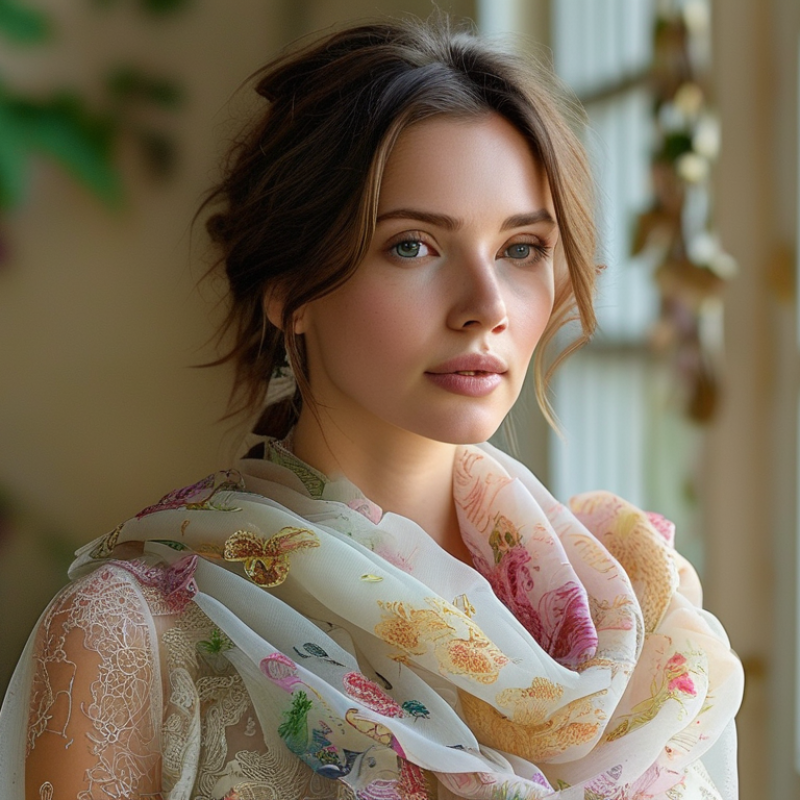
Tull fabric, known for its sheer and lightweight properties, has gained significant popularity worldwide. This delicate fabric is commonly used in various applications, from fashion to home décor. According to a recent industry report, the global tull market has grown by 10% annually. This growth reflects increasing demand among designers and consumers alike.
Many buyers appreciate tull for its versatility. It is used in wedding attire, soft furnishings, and even event decorations. The sheer quality of tull allows for layering, making it a desired choice among designers. However, sourcing quality tull can be a challenge. Not all options meet the standards of durability and comfort. Some tull may snag easily or lose its shape over time. This inconsistency can frustrate buyers seeking reliable fabric for their projects.
While tull fabric is widely embraced, sustainability concerns linger. The majority of tull is synthetic, raising questions of environmental impact. The industry's shift towards sustainable options is still evolving. Some manufacturers are exploring eco-friendly alternatives, but progress remains slow. Buyers are encouraged to research their options carefully before making a purchase.
Tull fabric stands out for its unique qualities. This lightweight textile is often made from silk or nylon. Its sheer appearance adds a magical touch to garments and decorations. Designers appreciate the soft drape and versatility of Tull. It can be used for dresses, veils, and home decor.
One key characteristic of Tull is its breathability. This makes it suitable for both warm and cool climates. Additionally, Tull comes in various colors and patterns. This variety allows for endless creative possibilities. However, its delicate nature can be a drawback. It can snag easily, requiring careful handling.
The fabric also has a unique texture that can be hard to replicate. This gives Tull a luxurious feel that many buyers crave. Despite its fragility, Tull remains a popular choice for special occasions. Many people reflect on the effort needed to care for it. Yet, the aesthetic appeal often outweighs the challenges. Exploring Tull fabric reveals both its charm and its complexities.
| Fabric Type | Weight (g/m²) | Drape Quality | Common Uses | Color Variety |
|---|---|---|---|---|
| Lightweight Tull | 30-50 | Flowy | Bridal Veils, Dresses | Pastel, White, Black |
| Medium Weight Tull | 50-80 | Stiff | Costumes, Skirts | Bright, Neon Colors |
| Heavyweight Tull | 80-120 | Structured | Home Décor, Crafts | Solid, Dual Tones |
| Printed Tull | 40-70 | Soft | Formal Wear, Decorations | Floral, Abstract Prints |
When considering tull fabric suppliers globally, it's essential to explore various options for quality and reliability. Recent market reports indicate that the global tull fabric market is projected to grow significantly, with a compound annual growth rate (CAGR) of about 4.5% over the next five years. This growth is driven by increasing demand in fashion, home textiles, and event decoration segments.
Leading suppliers in the tull fabric industry exhibit a mix of geographic advantages and production capabilities. Some suppliers are located in regions known for textile innovation, while others leverage cost-effective manufacturing. Notably, sustainability is becoming a critical factor. Many buyers now prefer suppliers who adopt eco-friendly practices. Reports show that over 60% of global buyers prioritize suppliers with sustainable production methods.
While there are many reputable suppliers, not all offer consistent quality. It's crucial for buyers to conduct thorough evaluations. They should consider factors like delivery times and customer service. Recent surveys indicate that nearly 30% of buyers experience delays and quality inconsistencies. This underlines the importance of choosing suppliers carefully.
Tull fabric is versatile and widely used across various industries today. Its lightweight and sheer nature makes it perfect for creating elegant evening wear and bridal gowns. Tull's soft texture adds a delicate touch, enhancing the overall look of garments. Many designers appreciate its ability to layer seamlessly, providing dimension without adding bulk.
In the crafting world, tull is popular for DIY projects. Crafters often use it to create stunning home decor items, such as table runners and decorative bows. Its versatility allows for endless creativity, but improper handling can lead to fraying. Educating users on best practices is crucial.
Additionally, tull fabric finds its application in the event planning industry. From wedding decorations to party favors, its adaptability enhances any theme. However, users should be mindful of its fragility when exposed to outdoor conditions. Understanding the limitations of tull ensures better results in every application.
When selecting tulle fabric, various factors come into play. The weight of the fabric is crucial. Lighter tulle works well for delicate garments like ballet tutus. Heavier options provide more structure for evening gowns or decor. Understanding the purpose will guide your weight choice.
Color and texture matter too. Some tulle comes with sparkle, while others are matte. A soft finish offers a romantic look. Choose what aligns with your design vision. Consider the opacity as well. Transparent tulle adds an airy feel but may require lining for modesty.
Lastly, always assess the fabric's durability. Tulle can range from soft and ethereal to stiff and resilient. Reflect on how often the fabric will be used. Tulle used for decorations may not need the same resilience as costume fabric. Balancing these factors will help buyers make informed choices.
: Consider the fabric weight, color, texture, and opacity to fit your design needs.
Tull is ideal for making elegant evening wear, bridal gowns, and layered garments.
Crafters use tull for creating home decor items, like table runners and bows.
Improper handling may cause fraying, affecting the quality and appearance of your work.
Tull's fragility may limit its effectiveness in outdoor conditions, so plan accordingly.
Many buyers prefer eco-friendly practices, making sustainability crucial for supplier selection.
Some buyers report delays and quality inconsistencies, highlighting the need for careful selection.
Assess how often the fabric will be used and choose thickness accordingly for durability.
The texture impacts the overall look, with options providing soft or structured finishes.
Lighter tull suits delicate designs, while heavier tull gives structure to evening gowns and decor.
Tull Fabric has gained immense popularity worldwide due to its lightweight, sheer, and versatile nature. Its unique characteristics, such as breathability and a delicate texture, make it a favored choice for various applications in fashion and décor. This fabric is often used in formal wear, bridal attire, and decorations, highlighting its versatility across different industries.
When selecting Tull Fabric, buyers should consider factors such as the fabric’s weight, stiffness, and intended use to ensure it meets their specific needs. Additionally, connecting with top global suppliers can help buyers find high-quality options that suit their requirements. With its growing demand, Tull Fabric continues to be an essential material for creative projects and practical applications alike.