When selecting the best embroidered netting fabric, understanding its features is crucial. Renowned fabric expert, Dr. Amelia Foster, emphasizes, “Quality in embroidered netting fabric makes all the difference in your projects.” This statement highlights the essential nature of choosing wisely. The right fabric can elevate a design, while the wrong choice may lead to disappointment.
Embroidered netting fabric comes in various styles and types. Each variation serves different purposes, from fashion apparel to home décor. It is essential to consider weight, thread count, and embroidery technique. Additionally, the intended use of the fabric impacts your selection. Consider how it will wear and feel in varied environments.
Choosing embroidered netting fabric is a process requiring careful thought. Ensure what you choose aligns with your vision. Be mindful of fabric quality; lower grades may fray and lose appeal. Don't hesitate to experiment, yet reflect on past choices that perhaps didn’t meet expectations. Trust your instincts but also rely on expert insights to make informed decisions.
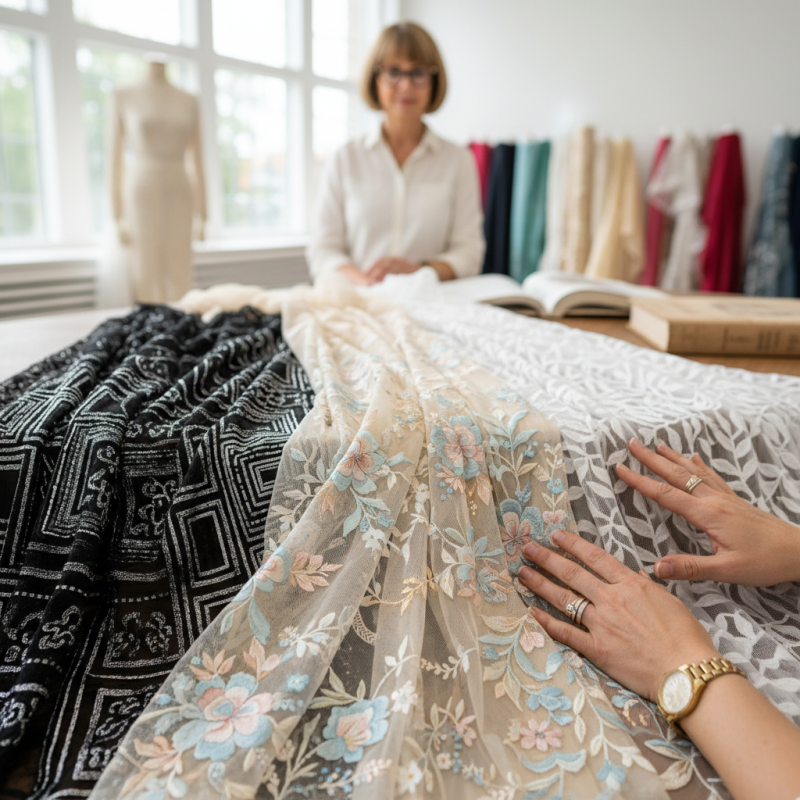
Understanding Embroidered Netting Fabric: Key Characteristics
Embroidered netting fabric is a versatile choice for various projects. Its unique characteristics make it stand out among other textile options. This fabric combines a delicate net structure with intricate embroidery. The result is a visually captivating material that can enhance any garment or craft.
One key feature is its lightweight nature. This makes it suitable for layering, allowing for a graceful flow in designs. Additionally, the embroidery adds texture and depth. It can transform simple designs into stunning pieces of art. However, be cautious; the delicate nature can make it prone to tearing. Proper care is essential to maintain its quality.
Colors and patterns are vital when selecting embroidered netting. Bright, bold hues can catch the eye, while soft pastels create a romantic feel. Consider the purpose of your project. Will it be a casual garment or a formal piece? The right choice can elevate your work. Yet, remember, sometimes the most intricate designs can overwhelm the overall look. Balance is crucial.
Identifying Your Project's Requirements for Fabric Choice
When choosing embroidered netting fabric, it’s essential to understand your project’s specific needs. Consider the intended use of the fabric. Are you creating a garment, a home decor item, or something else? Each application may require different characteristics, such as durability, drape, or breathability. Take a close look at the weight of the fabric. A lightweight option may suit delicate designs better, while a heavier fabric might offer more structure.
Also, think about the embroidery design itself. Intricate patterns may need a more stable base, while simpler designs can work well with softer materials. Test swatches of fabric to see how they behave with your embroidery techniques. The texture can significantly impact the final look and feel of your project. Don't overlook color and pattern. Ensure they align with the vision you have in mind.
Lastly, be prepared to reflect on what doesn’t work. Sometimes, a fabric that seemed perfect doesn’t perform as expected. This may require adjustments in your design or technique. Keep an open mind, and don’t hesitate to explore various options. The right fabric choice can elevate your project, making the effort worthwhile.
Choosing the Best Embroidered Netting Fabric: Project Requirements Analysis
Evaluating Different Types of Embroidered Netting Fabrics
When evaluating different types of embroidered netting fabrics, it’s essential to consider the texture and design. Fabrics can vary significantly in weight and feel. Light, delicate options are great for airy garments, while heavier netting provides more structure. Each choice influences the final look of your project.
Pay attention to the embroidery itself. Different techniques, such as floral or geometric patterns, can transform the fabric’s appearance. Some embroideries are more suited for formal occasions; others are perfect for casual wear. Test swatches before making a decision; seeing and feeling the fabric can reveal much.
Remember that durability is key. Some embroidered netting may look beautiful but wear out quickly. Consider the intended use of the fabric. Will it be worn frequently? Lastly, ensure the fabric responds well to washing. This consideration can prevent future disappointments.
Comparing Quality and Durability in Embroidered Netting
When selecting embroidered netting fabric, quality and durability are paramount. A recent industry report indicates that fabrics with higher thread counts offer superior longevity. Look for options with a minimum of 100 threads per square inch for added strength. Fabrics that use polyester threads resist fading and maintain shape better over time, making them ideal for long-term projects.
Tips: Always inspect the embroidery closely. Uneven stitching can lead to unraveling.
The weave of the netting also plays a critical role in durability. Fabrics with a tighter weave tend to withstand wear better than looser alternatives. According to the Textile Research Journal, netting with reinforced edges doubles its lifespan. While cost may be a factor, investing in higher-quality materials will yield better results in the long run.
Tips: Don’t overlook the importance of care instructions. Some fabrics require specific washing methods to prevent damage.
Choosing the right fabric is not just about appearance; it’s about functionality. Substandard materials might look appealing initially, but their advantage disappears quickly. Evaluating quality against your specific needs is crucial for making an informed decision.
Tips for Maintaining and Caring for Embroidered Netting Fabrics
Caring for embroidered netting fabrics requires attention to detail. To maintain the beauty and structure, gentle washing is essential. Use cool water and a mild detergent. Submerge the fabric and avoid harsh scrubbing. Rinse thoroughly and let it air dry. High heat can ruin the delicate threads, so never tumble dry.
Storing embroidered netting properly is crucial. Avoid folding it tightly. Instead, roll the fabric loosely to prevent creases. Keep it in a cool, dry place, away from direct sunlight. Sun exposure can fade the colors over time. Be mindful of pests; using cedar balls can ward off unwanted guests.
Repairs may be necessary for occasional snags or tears. A quick stitch can save your fabric from further damage. However, consider your skill level before attempting repairs. Sometimes, seeking professional help is the best option. Recognizing when to ask for assistance is part of being responsible in fabric care.
FAQS
: Consider the intended use of the fabric. Think about durability, drape, and breathability.
Lightweight fabrics suit delicate designs. Heavier options offer more structure for robust projects.
Intricate designs need stable fabrics. Simpler designs can work well with softer materials.
Yes, testing swatches shows how fabrics behave with your techniques and affects the final look.
Color and pattern must align with your vision. They greatly impact the overall aesthetic.
Be prepared to reflect and adjust your design or technique. Flexibility is essential for success.
No, some may look beautiful but wear out quickly. Consider how often it will be used.
Ensure the fabric responds well to washing. This helps avoid disappointments after the project is complete.
Conclusion
Embroidered Netting Fabric is a versatile material prized for its intricate designs and delicate appearance. Understanding the key characteristics of this fabric is essential when selecting the best option for your project. Factors such as weight, texture, and the complexity of the embroidery should align with your specific requirements to achieve the desired aesthetic and functionality.
When evaluating different types of Embroidered Netting Fabrics, consider aspects like quality and durability, as these will affect the longevity of your finished project. Additionally, maintaining and caring for this fabric properly will ensure it remains vibrant and intact over time. By understanding these elements, you can make an informed choice that enhances your craft or sewing endeavors.

 WEIJIN TEXTILE