Choosing the right embroidery fabric can significantly impact the final outcome of your projects. Renowned embroidery expert, Sarah Thompson, emphasizes, "The fabric is the foundation of your design." Her insights highlight the importance of selecting high-quality materials for any embroidery endeavor.
Embroidery fabric comes in various types, each offering unique characteristics. Cotton, for instance, is durable and versatile, making it a popular choice. However, using the wrong fabric can hinder your creativity. Some fabrics can be too thick or too slippery, ruining your design. It's crucial to test samples before committing to a project.
Many beginners overlook the significance of fabric choice. This oversight can lead to frustration and incomplete projects. By investing time in understanding different embroidery fabrics, artists can unlock new possibilities. The right fabric truly elevates every stitch, enhancing both texture and visual appeal. Choosing thoughtfully makes the difference between an ordinary piece and a standout creation.
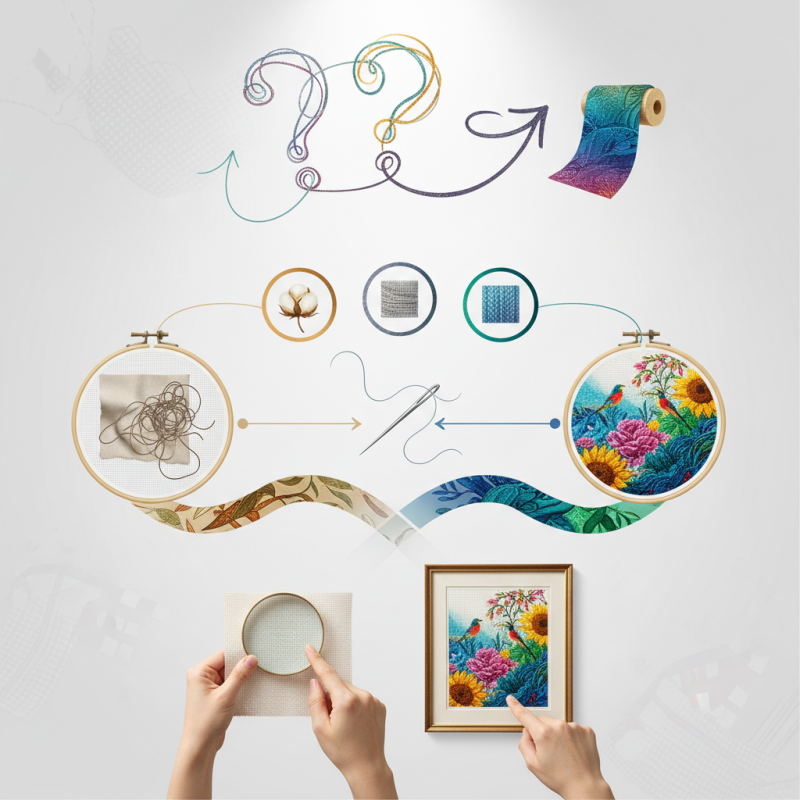
When selecting embroidery fabric, understanding the types available is essential. Each fabric has its unique qualities, impacting the final look of your project. Cotton is popular due to its versatility. It can absorb colors well and is easy to work with. However, some might find it too lightweight for certain designs.
Linen is another excellent choice. Its natural texture provides a rustic appeal. But it can be challenging to stitch on, especially for beginners. For those who like a bit of shine, silk offers a luxurious finish. Yet, it can fray easily, requiring careful handling.
Polyester blends are durable and affordable. They resist wrinkles and maintain vibrant colors over time. Still, they might lack breathability. Selecting the right fabric requires consideration of your project's needs. Each option brings pros and cons that require careful thought. Finding the perfect match for your embroidery vision is a creative journey worth exploring.
| Fabric Type | Characteristics | Best For | Stitch Compatibility |
|---|---|---|---|
| Cotton | Soft, breathable, and versatile | Apparel, home textiles, and quilting | Most embroidery stitches |
| Linen | Strong, absorbent, and textured | Table linens, apparel | Heavy-duty stitches |
| Polyester | Durable, wrinkle-resistant, and colorfast | Sportswear, outdoor gear | All types of embroidery |
| Silk | Soft, shiny, and luxurious | High-end apparel, accessories | Delicate stitches |
| Canvas | Strong, durable, and heavy | Bags, upholstery | Bold stitches |
: Fabric weight impacts the longevity and appearance of the finished product. Heavier fabrics stabilize intricate designs well.
Heavy fabrics may cause difficulties in hooping tightly. They can lead to issues like uneven stitching and needle breakage.
Lighter materials can cause more movement during stitching. This may result in a softer finish but may compromise detail.
About 55% of embroidery errors are traced back to wrong fabric selection. Choosing wisely improves outcomes.
Yes, stretchy fabrics can distort designs, especially knits. Many professionals report issues with design distortion on these materials.
Incorrect stabilizers can lead to puckering. Around 25% of errors come from inadequate stabilizing techniques.
Ignoring fabric weight can cause frustrating outcomes, such as misaligned stitches and loss of intricate details.
Absolutely. Understanding fabric weight, stretch, and suitable stabilizers can significantly enhance embroidery precision.
Yes, using an unsuitable fabric can compromise quality and detail, often leading to disappointing results.
Choosing the right embroidery fabric is crucial for achieving the desired results in your projects. Different types of embroidery fabrics, such as cotton, linen, and silk, each have unique characteristics that affect the outcome of your work. Factors to consider when selecting these fabrics include the project type, thread compatibility, and personal preference. Additionally, the weight of the fabric plays a significant role in determining the final appearance and durability of the embroidery.
It's also important to avoid common mistakes, such as choosing fabrics that are too stretchy or too loosely woven, as they can lead to unsatisfactory results. Finally, proper care of your embroidered fabric projects ensures their longevity and vibrancy. Understanding these aspects will help you make informed decisions and enhance your embroidery experience.

 WEIJIN TEXTILE