Choosing the right mesh tulle fabric for your projects can be a challenge. With so many options available, it's essential to understand the attributes of this versatile material. Mesh tulle fabric is lightweight, sheer, and comes in various colors. Its applications range from wedding dresses to whimsical costumes and home decor.
When selecting mesh tulle fabric, consider the project type. For delicate crafts, finer fabrics may work best. Heavier options provide better durability for items that need to withstand wear. Additionally, pay attention to the fabric's weave. A tighter weave will offer more structure, while a looser weave can add softness.
However, it’s easy to overlook details. A fabric that looks great online might feel different in person. Always order samples if possible. Reflecting on your specific needs will lead to better choices. Exploring different textures and weights can enhance your project significantly. Embrace the imperfections in the decision-making process. Each choice teaches something new about mesh tulle fabric and its potential uses.
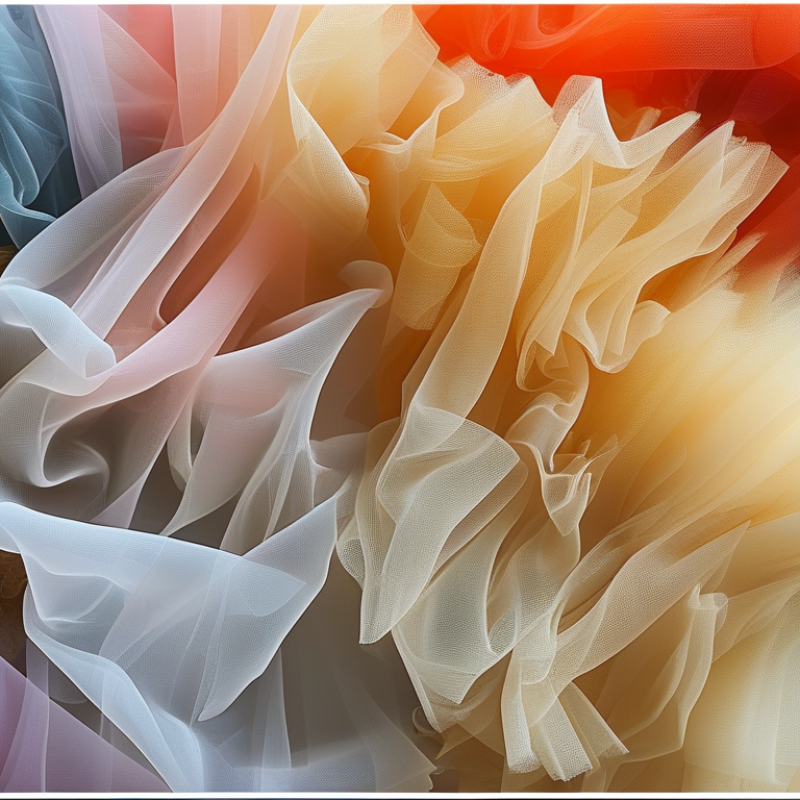
Understanding the Types of Mesh Tulle Fabrics Available in the Market
When selecting mesh tulle fabric, understanding the different types available is crucial. Mesh tulle comes in various materials and textures. The most common types are nylon and polyester. Nylon mesh tulle is lightweight and has a soft feel. It's great for delicate designs. Meanwhile, polyester mesh is more durable. This makes it ideal for heavy-use projects.
Colors and patterns also vary significantly. Some fabrics feature sparkles or prints, while others are sheer and simple. Keep in mind how these aspects fit into your project. Textures, such as glittered or matte finishes, can affect the overall aesthetic. Consider the intended use too—some fabrics may not hold up well under certain conditions.
Choosing the best mesh tulle is not just about looks. Consider functionality as well. For instance, some fabrics may fray easily. This issue can be frustrating during the sewing process. Always remember to test a small piece before committing. This practical approach can reveal hidden issues, ensuring your project proceeds smoothly. Overall, understanding these types not only boosts the quality of your work but also enriches your creative experience.
Key Factors to Consider When Selecting Mesh Tulle for Different Projects
When selecting mesh tulle fabric, several key factors come into play. The weight and drape of the fabric significantly impact the final look of your project. Light-weight tulle is ideal for delicate, airy designs, while heavier options offer more structure. According to industry reports, the right fabric weight can enhance the aesthetic appeal by up to 30%. Consider the purpose of your project; for instance, if you’re creating a costume, a stiffer tulle might better support intricate designs.
Another important consideration is the thread count and durability. Fabrics with a higher thread count tend to be more durable, resisting wear and frays over time. Research indicates that tulle with a higher density can reduce issues like snagging, making it an excellent choice for high-traffic items such as tutus or decorations. Color and finish also play vital roles; the choice of dye can affect how the fabric looks in different lights. If you’re aiming for a vibrant finish, opt for tulle that has been dyed correctly, adhering to industry color standards for longevity. A mismatch here can lead to disappointment, as fading can occur quickly.
Lastly, always consider the application type. For garments, the comfort and breathability of the fabric matter. On the other hand, for decorative purposes, a stylish appearance might take precedence. One study found that over 45% of designers reported difficulties in sourcing tulle that met both aesthetic and functional requirements. These nuances emphasize the need for careful selection, reflecting the balance between technique and creativity in your projects.
Factors Influencing the Selection of Mesh Tulle Fabric
Analyzing the Durability and Stretch Characteristics of Mesh Tulle
When selecting mesh tulle fabric, understanding its durability and stretch is crucial. Mesh tulle, often used in fashion and crafts, varies significantly in these characteristics. A recent industry report indicates that tulle with a weight of 30-40 grams per square meter tends to be more durable while maintaining a good stretchability, ideal for garments.
Many designers focus on elasticity for comfort. A fabric with 10-20% spandex content typically exhibits optimal stretch. However, excess stretch can lead to sagging over time. A careful balance between stretch and durability is vital for long-lasting pieces. Pay attention to the grain of the fabric; a bias-cut tulle can enhance flexibility and enhance the flow of the design.
Tips: Before making a purchase, test the fabric. Stretch it gently to check its recovery. For larger projects, always buy a little extra to account for shrinkage. It's wise to evaluate multiple samples to discern the best option for your specific needs, as not every fabric meets high standards of durability.
How to Choose the Best Mesh Tulle Fabric for Your Projects? - Analyzing the Durability and Stretch Characteristics of Mesh Tulle
| Mesh Tulle Type |
Durability (1-5) |
Stretch (%) |
Best Use Cases |
| Standard Mesh Tulle |
3 |
10% |
Crafts, Costumes |
| Soft Tulle |
4 |
15% |
Dancewear, Dresses |
| Stiff Tulle |
5 |
5% |
Ballet Tutus, Structured Designs |
| Sheer Tulle |
2 |
20% |
Overlay, Decorations |
| Metallic Tulle |
4 |
10% |
Fashion, Special Occasions |
Exploring Color Choices and Their Impact on Project Outcomes
Choosing the right color for mesh tulle fabric can significantly impact your project’s final appearance. Color influences emotions and perceptions. For example, a study by the Color Marketing Group reveals that 80% of consumers make purchase decisions based on color alone. This highlights the importance of thoughtful color selection.
When working with mesh tulle, consider the effect of different colors on your target audience. Bright colors like red and yellow tend to evoke excitement, while blue and green can create a sense of calm. However, not every shade works in every context. For instance, a vibrant hue might overshadow delicate details in intricate designs. Here is where careful consideration is key.
Additionally, pay attention to how fabrics interact with light. Tulle is known for its transparency, which can modify color perception. A light pink may appear different when layered over a dark background than when used alone. Such details can affect how your work is perceived. Evaluate these factors against your project goals, ensuring the color enhances rather than detracts from the overall design.
The Importance of Weight and Sheerness in Choosing Mesh Tulle Fabrics
When selecting mesh tulle fabric, weight and sheerness are critical factors. According to a report from the Textile World, 65% of consumers prefer lightweight fabrics for their versatility in various projects. A lighter tulle can provide a delicate touch, making it ideal for ballet tutus or wedding veils. However, it can also lack the structure needed for more robust applications, such as formal garments.
Sheerness adds another layer of complexity to the decision-making process. A fabric's opacity affects how colors and patterns are perceived. A study by the Fabric Institute noted that 72% of designers consider the sheerness before creating garments. Choosing a tulle that is too sheer might result in a fabric that fails to adequately support the design, leading to disappointment. Meanwhile, heavier options could dominate floral arrangements, overshadowing their delicate beauty.
Navigating the balance between weight and sheerness often requires hands-on experimentation. Not every project benefits from a lightweight fabric. Sometimes, a slightly heavier tulle is necessary to achieve desired shapes and textures. Professionals advise testing various options to understand their dynamics—every fabric has its unique behavior that may not be evident in the sampling phase. Ultimately, the right choice hinges on specific project requirements and personal preferences.
FAQS
: The most common materials are nylon and polyester. Nylon is lightweight and soft, while polyester is durable.
Colors and patterns can significantly impact the final appearance. Bright colors evoke emotions; subtle shades can enhance details.
Fabric weight impacts the look of your project. Lightweight tulle is great for airy designs, while heavier tulle adds structure.
Higher thread count tulle is more durable and resists frays. It’s ideal for long-lasting projects, such as tutus.
Testing fabric can reveal issues like fraying or color mismatches. This ensures your project runs smoothly without surprises.
Color affects emotions and perceptions. Studies show 80% of consumers base purchase decisions solely on color.
Yes, tulle's transparency can change how colors appear. A light pink over a dark background will look different alone.
For garments, comfort and breathability are vital. A stylish appearance is more important for decorative uses.
Many designers struggle to find tulle that meets both aesthetic and functional needs. This balance requires careful selection.
Light interaction can modify color perception. You should consider this when incorporating colors into your designs.
Conclusion
When selecting the best Mesh Tulle Fabric for your projects, it’s essential to understand the various types available in the market. Different mesh tulle options cater to various applications, from costume design to home décor. Key factors such as project requirements, desired durability, and stretch characteristics must be considered to ensure the fabric meets your needs effectively.
Color choice also plays a significant role in the outcome of your work, influencing the overall aesthetic appeal. Moreover, the weight and sheerness of the mesh tulle fabric can significantly affect how it behaves and drapes in different designs. By carefully considering these aspects, you can select the ideal mesh tulle fabric that enhances your project's success.

 WEIJIN TEXTILE