Why Choose the Best Textile Fabrics for Your Business Needs?

Time:2026-04-03 Author:Isabella
0%

When selecting the right textile fabrics for your business, the choices can be overwhelming. Expert John Smith, a well-known figure in the textile industry, states, “The right fabric can make or break a product.” This rings especially true in a competitive market, where quality is paramount.

Textile fabrics play a crucial role in product durability and customer satisfaction. Selecting the appropriate fabric enhances both aesthetics and functionality. However, many businesses overlook this important factor. They often focus on design but forget about material quality. This can lead to wasted resources and unsatisfied customers.

It is vital to consider aspects like texture, strength, and sustainability when choosing textile fabrics. Decisions should not be taken lightly. Each fabric holds unique properties that affect production and market appeal. Businesses must strive for a balance between style and substance. Ultimately, careful fabric selection reflects a commitment to quality and excellence.
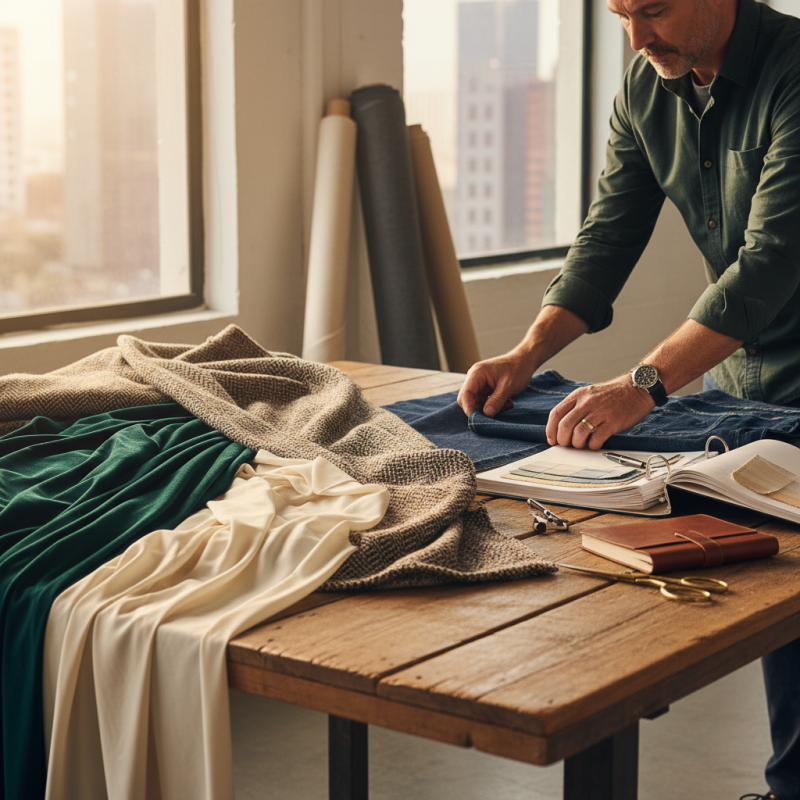
Why Choose the Best Textile Fabrics for Your Business Needs?

Understanding the Importance of Quality Textile Fabrics for Your Business

Choosing the right textile fabrics is crucial for any business. Quality directly impacts the final product's durability and appeal. Fabrics can affect customer perception, influencing sales and brand loyalty. High-quality materials convey a sense of professionalism. They often withstand wear and tear better, reducing long-term costs.

When evaluating textiles, consider how they align with your business goals. Each fabric type has unique properties—some are breathable, while others offer strength. Understanding these characteristics helps in selecting the right material. The wrong choice may lead to customer dissatisfaction. Unhappy customers often share their experiences, harming your brand reputation.

It's also important to reflect on your sourcing methods. Are you prioritizing sustainability? Choosing environmentally friendly fabrics can enhance your brand image. However, balancing quality and cost can be challenging. Sometimes, cheaper options may seem tempting. Yet, sacrificing quality for price can backfire. Evaluating your fabric choices meticulously leads to better outcomes.

Importance of Quality Textile Fabrics for Your Business

Evaluating Different Types of Textile Fabrics and Their Applications

When evaluating different types of textile fabrics, it's essential to consider their applications carefully. Each fabric has unique characteristics suited for various needs. For instance, cotton is widely used for casual wear due to its comfort and breathability. According to Statista, the global cotton market is projected to reach 26 million metric tons by 2025. This indicates a robust demand for cotton-based textiles.

On the other hand, synthetic fabrics like polyester are favored for their durability and resistance to shrinking and wrinkling. Reports from International Textile Manufacturers Federation (ITMF) indicate that polyester accounts for over 50% of the global textile market share. These attributes make polyester ideal for outdoor and performance apparel. However, it's important to balance functionality with sustainability, as the production of synthetic fabrics poses environmental challenges.

Tips: Always assess the end-use of the fabric. Think about how the material will perform under specific conditions. Additionally, consider the sustainability of your fabric choices. Opt for organic or recycled materials when possible to cater to eco-conscious consumers, aligning with a growing trend in the textile industry. Making informed decisions can enhance both product quality and brand reputation.

Key Factors to Consider When Choosing Textile Fabrics for Your Needs

When selecting textile fabrics for your business, the right choice impacts overall quality and performance. One key factor is the fabric type. Natural fibers like cotton offer breathability and comfort. Synthetic fibers such as polyester provide durability and wrinkle resistance. Consider the purpose of the fabric. Will it be used for high-end apparel or durable workwear? This decision shapes the materials you should explore.

Another critical aspect is the fabric weight. Lighter fabrics are excellent for summer collections, while heavier materials suit winter items. Test samples before commitment. Feel the fabric, assess its drape, and check its colorfastness. Each element gives insights into potential customer satisfaction. Don’t overlook environmental factors. Sustainable and eco-friendly options are growing in demand. However, be cautious. Not all eco-marketed fabrics deliver true sustainability.

Lastly, budget constraints play a significant role in fabric selection. Higher quality often means higher costs. Yet, investing in superior fabrics may reduce long-term expenses by lowering returns and enhancing brand reputation. Reflect on your priorities. Evaluate how each choice aligns with your business strategy and customer expectations. The right fabric can significantly impact your success.

How to Source and Select the Best Textile Suppliers for Your Business

Sourcing and selecting the best textile suppliers are crucial for any business in the industry. Understanding the market dynamics can significantly impact your success. According to a report by the Textile Outlook International, global textile consumption is expected to grow by 4.4% annually over the next five years. This statistic highlights the increasing demand for quality textiles.

When evaluating textile suppliers, consider their production capacity and compliance with industry standards. It’s essential to verify their certifications. A reliable supplier often has certifications from organizations like OEKO-TEX or GOTS. Choosing suppliers who prioritize sustainability can also enhance your brand’s reputation. Ethical sourcing is becoming increasingly important for consumers.

Tips for Selecting Suppliers:
- Request samples to assess fabric quality before committing.
- Visit suppliers if possible to evaluate their facilities.
- Review customer feedback and case studies for insights.

A challenging aspect of sourcing can be balancing cost and quality. Sometimes, lower prices indicate compromised quality, which can hurt your business in the long run. It’s wise to have a clear understanding of the qualities that matter most to your brand. Keep evaluating your suppliers to ensure they meet your requirements as your business evolves.

The Impact of Fabric Quality on Brand Reputation and Customer Satisfaction

The quality of textile fabrics plays a significant role in shaping brand reputation and customer satisfaction. Research shows that 70% of consumers consider fabric quality crucial when purchasing clothing. Poor fabric can lead to negative perceptions. Customers often associate low-quality materials with inferior brands. This perception can diminish trust and loyalty.

Sustainability has become a key factor as well. The Global Sustainability Report highlights that 66% of consumers prioritize brands that use eco-friendly materials. If a brand fails to meet these expectations, it risks losing customers to competitors who value sustainability. The transition to higher-quality fabrics can boost brand reputation and attract a more conscious consumer base.

Investing in quality fabrics is challenging but necessary. It involves not only choosing the right materials but also maintaining consistency in production. Brands that neglect this aspect may struggle with returns and complaints. Reports indicate that businesses focusing on fabric quality see a 30% improvement in customer satisfaction. Quality fabric isn’t just an option; it’s essential for building a resilient brand.

Why Choose the Best Textile Fabrics for Your Business Needs?

Fabric Type Quality Rating Durability (years) Customer Satisfaction (%) Impact on Brand Reputation
Cotton High 5-7 85% Positive
Polyester Medium 3-5 78% Neutral
Silk Very High 2-4 90% Excellent
Wool High 5-10 88% Positive
Linen Medium 4-6 80% Neutral

FAQS

: What should I consider when choosing textile fabrics?

: Evaluate the fabric’s characteristics and its intended application. Comfort and performance matter.

Why is cotton popular in casual wear?

Cotton is known for its comfort and breathability, making it ideal for everyday clothing.

How do synthetic fabrics differ from natural ones?

Synthetic fabrics like polyester offer more durability and resist shrinking and wrinkling unlike natural options.

What trends are emerging in textile sustainability?

Eco-conscious consumers prefer organic or recycled materials for a reduced environmental impact.

How can businesses ensure quality from textile suppliers?

Request samples and review certifications to validate their compliance with industry standards.

How important is ethical sourcing in textiles?

Ethical sourcing is increasingly crucial as consumers often favor brands that prioritize sustainability.

What is a common challenge in sourcing textiles?

Balancing cost and quality can be tricky, as lower prices might compromise fabric quality.

Why should I visit suppliers before making a decision?

Visiting suppliers helps assess their facilities and ensures they can meet your production needs.

How can I keep track of supplier performance?

Regular evaluations can help ensure that your suppliers consistently meet your requirements.

What attributes should I prioritize in textile selection?

Focus on fabric quality, durability, and sustainability to enhance your product and brand image.

Conclusion

Choosing the best textile fabrics is crucial for any business striving for quality and customer satisfaction. Understanding the significance of high-quality textile fabrics can significantly impact a company's reputation in the market. Different types of fabrics serve various applications, and evaluating these options allows businesses to align their products with customer expectations effectively.

When selecting textile fabrics, key factors such as durability, texture, and cost should be considered to ensure they meet specific business needs. Additionally, sourcing from reliable suppliers plays a vital role in maintaining fabric quality. Ultimately, the caliber of textile fabrics used can greatly influence brand reputation and enhance customer satisfaction, making it a pivotal aspect of any successful business strategy.


Isabella

Isabella

Isabella is a dedicated marketing professional with a sharp focus on driving brand growth and engagement through strategic content creation. With an extensive background in digital marketing, she combines her passion for storytelling with her keen understanding of industry trends to deliver......