Choosing the right China Mesh Net Fabric supplier can influence product quality, production stability, and customer trust. The decision should involve more than comparing prices. A reliable supplier must demonstrate practical experience with materials, knitting structures, finishing processes, and export coordination.
Look for clear technical information about yarn composition, mesh size, width tolerance, weight, colorfastness, and tensile performance. Ask for physical samples before placing a large order. A sample roll can reveal loose edges, uneven openings, harsh finishing, or inconsistent color. These details are easy to miss in a catalog. They matter during cutting and sewing.
Supplier evaluation should also include factory communication, quality records, production capacity, and inspection procedures. Request recent test reports and verify whether they match the actual Mesh Net Fabric offered. Factory photographs help, but direct video calls or independent inspections provide stronger evidence. Experienced buyers know that attractive samples do not always guarantee stable bulk production. This is where judgment matters.
No supplier is perfect. Even a responsive factory may struggle during peak seasons or material shortages. Ask how problems are handled, not only how orders are accepted. A dependable partner should explain corrective actions, replacement policies, packaging methods, and shipment updates. Transparent answers build confidence. Vague promises should create doubt.
Cost still matters, but the lowest quotation may hide weak quality control or expensive delays. Compare the complete supply picture, including sampling, testing, lead time, communication, and after-sales support. With careful verification and realistic expectations, buyers can select a China supplier that supports consistent Mesh Net Fabric performance and long-term business growth.
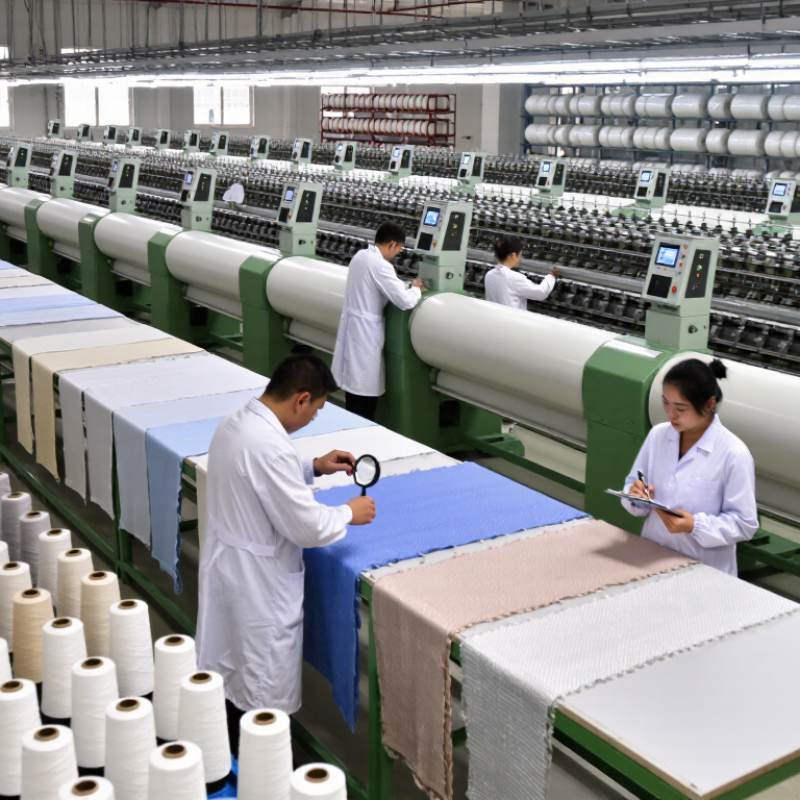
China mesh net fabric is an open-structure textile made with evenly spaced holes. It may use polyester, nylon, polypropylene, or blended yarns. The material choice affects strength, flexibility, airflow, and moisture resistance. Hole size can range from fine filtering mesh to wide netting for ventilation. Construction matters more than a glossy sample.
In production reviews, I check yarn thickness, edge stability, coating quality, and dimensional change after washing. I also request test data for tensile strength, abrasion, colorfastness, and air permeability. Some fabrics look strong but weaken after repeated folding. That detail is easy to miss. Mesh net fabric appears in sports bags, laundry bags, window screens, garden covers, safety barriers, and outdoor shade panels. Industrial users may select it for filtration support, separation, or air circulation. When choosing a China supplier, ask for sample rolls, production photos, inspection records, and clear tolerances. A reliable supplier should explain the knitting or weaving process without vague promises. I would still test every new batch. Small trial orders reveal inconsistencies early. One overlooked issue is shrinkage. Mesh can change shape after heat setting, washing, or coating. That mistake can affect assembly and final appearance. Supplier communication matters too, especially when drawings use unfamiliar measurements. Clear specifications prevent expensive revisions.
It is an open textile with evenly spaced holes. It may use polyester, nylon, polypropylene, or blended yarns. Yarn choice affects strength, flexibility, airflow, and moisture resistance. Hole sizes range from fine mesh to wide netting. The sample can look better than production fabric.
Mesh net fabric appears in sports bags, laundry bags, and window screens. It also supports garden covers, safety barriers, and outdoor shade panels. Industrial uses include separation, filtration support, and air circulation. Choose the structure for the actual application. One fabric rarely suits everything.
Check yarn thickness, mesh opening, fabric weight, and edge stability. Measure several areas, including the center and edges. Review tensile strength, abrasion resistance, colorfastness, and air permeability. Compare samples under the same light and tension. Test it yourself.
Request sample rolls, factory photos, machine information, and production videos. Ask for inspection records, test reports, and batch traceability. A live video inspection can reveal more than polished photographs. Confirm that equipment matches the required yarn, width, opening, and coating. One sample proves little.
Measure the opening in several locations with consistent tension. Check whether finishing changes the planned size. Washing, heat setting, and coating may cause shrinkage or distortion. Record width, weight, and roll length after testing. Small changes can affect sewing and airflow.
Ask for recent reports covering tensile strength, tear resistance, and colorfastness. Request relevant resistance data for sunlight or moisture exposure. Verify the laboratory, report date, sample identity, and test method. A certificate alone does not prove every shipment matches it. Documents need checking.
Compare material grade, usable width, minimum order quantity, packaging, and freight. Include inspection fees, possible rework, and shipment delays. Ask whether the quotation is fixed or linked to material changes. A lower kilogram price may hide lower usable output. The cheapest quote may not be cheapest.
Review monthly capacity, lead-time history, maintenance practices, and quality checkpoints. Ask how rejected rolls are approved, corrected, and recorded. Confirm backup plans for yarn shortages and equipment problems. Use small trial orders to expose inconsistencies early. I may still miss something.
Choosing the best China Mesh Net Fabric supplier requires more than comparing prices. Start by understanding how Mesh Net Fabric is used, such as in sportswear, outdoor products, bags, filtration, packaging, or industrial applications. Clearly define the required material, fiber content, mesh structure, weight, width, color, finish, strength, breathability, and customization needs before contacting suppliers. This helps create accurate specifications and prevents misunderstandings during development.
Next, evaluate each supplier’s manufacturing capabilities, equipment, quality-control procedures, production capacity, and experience with similar orders. Request samples to compare appearance, performance, durability, and consistency. You should also verify relevant compliance documents, testing records, quotations, payment terms, minimum order quantities, lead times, packaging, and shipping arrangements. A reliable supplier should communicate clearly, provide a detailed contract, handle quality issues responsibly, and offer dependable after-sales support. By assessing technical ability, quality, pricing, delivery reliability, and long-term cooperation potential together, buyers can make a confident and practical sourcing decision.

 WEIJIN TEXTILE