How to Choose the Best Shiny Net Fabric for Your Projects?

Time:2026-06-16 Author:Oliver
0%

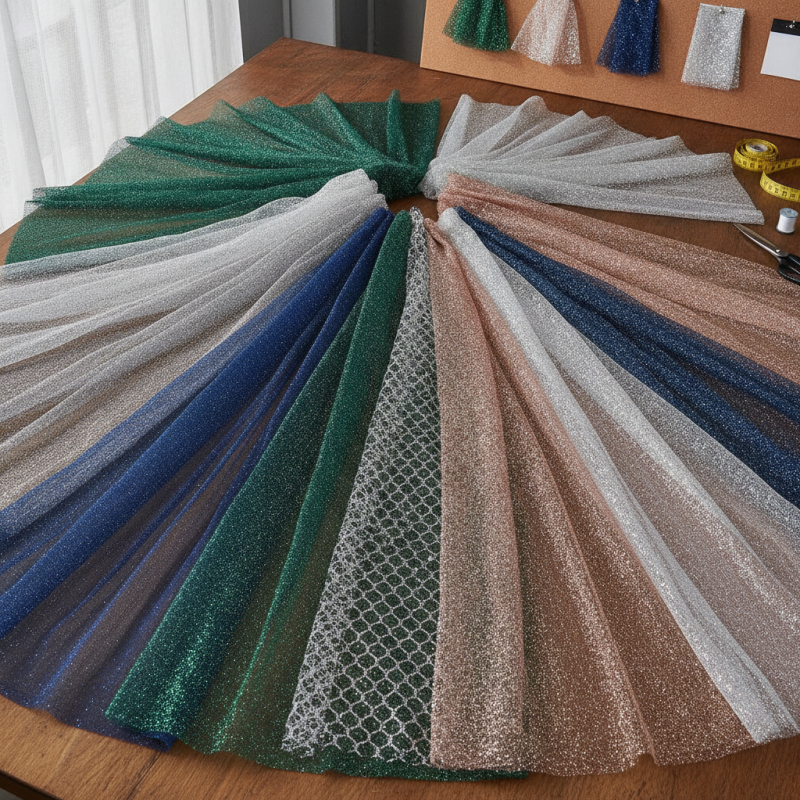
Choosing the right fabric is crucial for any project, especially if it involves Shiny Net Fabric. This unique material can elevate a design with its lustrous finish and versatility. However, the variety of options available can be overwhelming. Understanding the features of Shiny Net Fabric can help simplify this process.

When selecting Shiny Net Fabric, consider factors like weight, stretch, and opacity. Each characteristic impacts how the fabric drapes and behaves in different projects. For instance, a heavier weight might provide more structure for garments. However, lighter options can give a flowing silhouette, which may be desired for evening wear.

Don't rush the decision-making process. Testing out samples can reveal qualities not visible at first glance. Try different types and see which ones align with your vision. Reflect on the challenges you may encounter; each fabric can present unique obstacles. Being aware of these factors will boost your overall project success.
How to Choose the Best Shiny Net Fabric for Your Projects?

Understanding the Different Types of Shiny Net Fabrics Available Today

Choosing the right shiny net fabric is crucial for your projects. Various types of shiny net fabrics cater to different needs within the fashion and decor industries. For instance, polyester, nylon, and spandex are common materials used in shiny nets. Each has its unique properties affecting both appearance and functionality. The strength and durability of polyester make it a popular choice among designers. In contrast, nylon offers a softer texture, providing a more luxurious feel.

Recent industry reports indicate that the shiny net fabric market is growing rapidly. In 2022, it was valued at approximately $2.5 billion, with an expected compound annual growth rate of 5% through 2028. This illustrates a rising demand for versatile net fabrics in various applications, from costumes to home furnishings. However, fabric weight and mesh size can greatly vary. Heavier fabrics may offer more opacity, while lighter options provide a more delicate look.

Understanding the differences in fabric types is essential. While shiny nets enhance visual appeal, some materials may not be suitable for every climate. Reflect on the project's purpose to determine the best fit. Ask yourself:

  • Does the fabric meet your functional needs?
  • Are there hidden drawbacks, like fraying or color fading, that could affect your design?
Balancing aesthetic and practical considerations will lead to better outcomes.

Evaluating Fabric Composition: Polyester, Nylon, and Their Characteristics

When selecting shiny net fabrics, fabric composition significantly influences your project's outcome. Polyester and nylon are two primary materials used, each with distinct properties. Polyester is durable and resistant to shrinking and stretching. It maintains color well and is less affected by sunlight. According to industry reports, polyester accounts for approximately 52% of global synthetic fiber consumption, reflecting its widespread use.

Nylon, on the other hand, is known for its impressive strength and elasticity. It is often used in high-performance applications due to its resistance to abrasion and tears. Its moisture-wicking properties make it a favorite for activewear. However, nylon has a higher environmental impact compared to polyester, as its production process results in increased emissions. Recent studies indicate that nylon fibers release microplastics, contributing to ocean pollution.

Choosing between polyester and nylon often involves trade-offs. While polyester is easier to care for and more sustainable, nylon's strength may benefit specific projects. Understanding these characteristics helps in making informed decisions that align with your project goals. Assessing the fabric composition carefully can lead to better choices, fostering creativity and sustainability in your work.

How to Choose the Best Shiny Net Fabric for Your Projects?

Fabric Type Composition Weight (GSM) Stretch Ability Best Use Cases
Polyester 100% Polyester 90-120 Moderate Costumes, Dancewear
Nylon 100% Nylon 80-110 High Athletic Wear, Swimwear
Blended Fabric 50% Polyester, 50% Nylon 100-140 Good Fashion, Apparel
Spandex Blend 80% Nylon, 20% Spandex 150-180 Very High Performance Gear, Costumes

Assessing Sheerness and Opacity for Your Design Needs

When selecting shiny net fabric, assessing sheerness and opacity is crucial. Different projects require varying levels of transparency. For example, a costume might benefit from sheer fabric that creates a light, ethereal look. In contrast, an evening gown may need a denser material to provide coverage and elegance. Assessing how light passes through the fabric can help make this distinction clear.

The texture of the shiny net fabric also influences opacity. Some fabrics might appear sheer when held up but become more opaque when layered. Experimenting with different layers can reveal the true nature of the material. Additionally, considering the color plays an essential role. Darker shades often appear more opaque, while lighter hues can enhance sheerness. This aspect can dramatically affect the overall design and feel of your project.

Ignoring these factors might lead to design flaws. A fabric that looks perfect in the store may not suit your intended use. Therefore, if uncertain, test swatches in natural light. This practice will help gauge the actual sheerness and opacity of the fabric. In the end, thoughtful evaluation of these attributes will guide you toward the best choice for your designs.

Shiny Net Fabric Sheerness and Opacity Assessment

Choosing the Right Weight for Durability and Handling in Projects

When selecting shiny net fabric, weight plays a crucial role in your project's success. A lighter fabric offers fluid movement, which is ideal for flowing garments and dance costumes. However, it may not withstand heavy wear. Consider how much movement your project requires. If durability is essential, heavier options provide more stability and strength.

Handling is also affected by fabric weight. Lighter nets can be tricky to sew, often shifting during crafting. On the other hand, heavier materials tend to be more manageable but may require stronger sewing tools. Assess your skill level honestly. If you're new to sewing, starting with medium-weight fabric might be wise.

Keep in mind the end use of your project. Will it be worn frequently? If so, you may need a fabric that can endure regular washing and wear. Reflect on the aesthetic as well; a heavier fabric might change the way light reflects off the garment. Making the right choice demands thought and consideration. Aim for a balance between durability and style.

Identifying Color and Finish Options to Enhance Aesthetic Appeal

Choosing the right shiny net fabric can elevate your projects significantly. The color and finish are vital in achieving the desired aesthetic. Bright, bold colors can draw attention, while soft pastels create a more calming effect. Think about the mood you want to convey.

The finish of the fabric also influences the overall appearance. Glossy finishes can add vibrancy, making designs pop. On the other hand, matte textures offer subtlety. Consider how light interacts with your fabric choice. Reflective surfaces can be striking but may overwhelm intricate designs.

Pay attention to how these elements complement each other. Sometimes, contrasting finishes can produce unexpected yet appealing results. Experimentation is key. Test different combinations to find what works best for your vision. Creating a mood board could help visualize your ideas better. Remember, what looks good in theory may not always translate well in practice. Embrace the process and allow for adjustments along the way.

FAQS

: What are common materials used in shiny net fabrics?

: The most common materials are polyester, nylon, and spandex. Each offers different properties and uses.

How does fabric weight affect project outcomes?

Lighter fabrics provide fluid movement, while heavier ones offer durability and stability for wear.

What should I consider when choosing a fabric for my project?

Reflect on the project's purpose, fabric weight, and how the material affects durability and aesthetics.

Is polyester more sustainable than nylon?

Yes, polyester is generally easier to care for and has a lower environmental impact compared to nylon.

What drawbacks might I face with shiny net fabrics?

Some materials may fray or fade over time, affecting the overall design and longevity of your project.

How do mesh size and opacity relate to fabric choice?

Heavier fabrics tend to be more opaque, while lighter nets offer a more delicate appearance with less opacity.

Can lighter fabrics be difficult to work with?

Yes, lighter fabrics often shift during sewing, making them challenging for beginners and possibly affecting the final product.

What does "moisture-wicking" mean in fabrics?

Moisture-wicking refers to a fabric's ability to move moisture away from the body, important for activewear.

Should I consider my sewing skill level when selecting fabric?

Absolutely. Assess your skills; choosing an appropriate fabric weight can make the sewing process easier.

What questions should I ask myself before purchasing fabric?

Consider if the fabric meets functional needs and if there are hidden drawbacks that could impact your design.

Conclusion

When selecting the best Shiny Net Fabric for your projects, it is essential to understand the various types available today. Different compositions, such as polyester and nylon, offer unique characteristics that can affect your design. Evaluating the sheerness and opacity of the fabric is crucial, as these factors will influence how the fabric fits into your overall design vision. Additionally, considering the right weight of the fabric will ensure durability and ease of handling during your projects.

Color and finish options also play a significant role in the aesthetic appeal of Shiny Net Fabric. By identifying the right combinations of these elements, you can enhance the visual impact of your creations. Whether crafting garments, costumes, or decorative pieces, a thoughtful selection process will lead to the best outcome for your fabric needs.

Oliver

Oliver

Oliver is a seasoned marketing professional with a wealth of expertise in driving brand awareness and engagement. With a deep understanding of our company's product offerings, he consistently delivers high-quality content that enriches our professional blog. His insights not only shed light on......