Polyester elastane fabric has become a staple in the fashion industry, blending comfort and performance. Renowned textile expert Dr. Susan Mitchell states, “The elasticity and durability of polyester elastane fabric make it a game-changer.” This fabric is cherished for its unique properties, providing stretch and shape retention.
As activewear and casual attire continue to dominate retail, polyester elastane fabric remains a key player. Its ability to wick moisture and maintain a comfortable fit appeals to consumers seeking both functionality and style. Yet, some may question its environmental impact.
While this fabric boasts benefits, the rise in synthetic textiles brings sustainability concerns. Balancing performance with environmental responsibilities is crucial. Exploring alternatives and recycling options can guide the industry toward a more sustainable future.
What is Polyester Elastane Fabric?
Polyester elastane fabric is a blend known for its unique properties. This combination includes polyester, a synthetic fiber with durability and moisture-wicking capabilities, and elastane, also called spandex or lycra, which adds stretch. The result is a fabric that is both strong and flexible. This blend allows garments to retain their shape while providing comfort.
This fabric is commonly used in activewear and casual clothing. Its soft texture enhances the wearing experience. As people engage in various activities, they benefit from the stretchiness that allows freedom of movement. The moisture-wicking quality ensures that sweat is effectively pulled away from the body. However, some users may find it less breathable compared to natural fibers.
Consider how to care for polyester elastane garments. Washing them in cold water helps maintain their shape. Air drying is preferable to avoid shrinkage. Also, check for any care labels before laundering. While this fabric is popular, being aware of its limitations is essential. It may not be suitable for every occasion or climate.
The Composition and Properties of Polyester Elastane
Polyester elastane fabric is gaining popularity due to its unique blend of materials. Made from polyester and elastane, this fabric combines durability with stretchability. Polyester is known for its strength and resistance to wrinkles. Elastane, often known as spandex, gives the fabric a comfortable stretch. According to a recent report by Textile World, the market for elastane fabrics is projected to grow by 8% annually. This growth is largely attributed to the increasing demand for activewear and athleisure.
The composition of polyester elastane typically consists of 85% polyester and 15% elastane. This combination not only enhances flexibility but also provides moisture-wicking properties. Many activewear brands choose this fabric for its ability to move with the body while maintaining shape. However, it’s important to consider environmental impacts, as polyester is derived from petroleum. The Global Fashion Agenda noted that polyester production contributes to significant carbon emissions, prompting a push for more sustainable options in the industry.
When choosing garments made from polyester elastane, consider fit and comfort. Look for products that allow for natural movement, especially those designed for sports or fitness. Testing different sizes can help find the best fit. Additionally, pay attention to the fabric's breathability, as this can affect performance during workouts. While polyester elastane has many benefits, understanding its overall environmental impact is crucial for responsible consumption.
Properties of Polyester Elastane Fabric
This bar chart illustrates the key properties of Polyester Elastane fabric, rated from 1 to 10. The high stretchability rating indicates the fabric's excellent ability to stretch, making it popular in activewear. Other important properties include durability and wrinkle resistance, which contribute to its widespread use in various clothing applications.
Applications of Polyester Elastane in the Fashion Industry
Polyester elastane fabric is a blend of polyester and elastane, known for its stretch and durability. In the fashion industry, this material finds numerous applications, becoming a staple in activewear and casual clothing. According to a 2021 market report, the global athleisure market is projected to reach $350 billion by 2025. This surge is largely fueled by the rising demand for comfortable, versatile apparel.
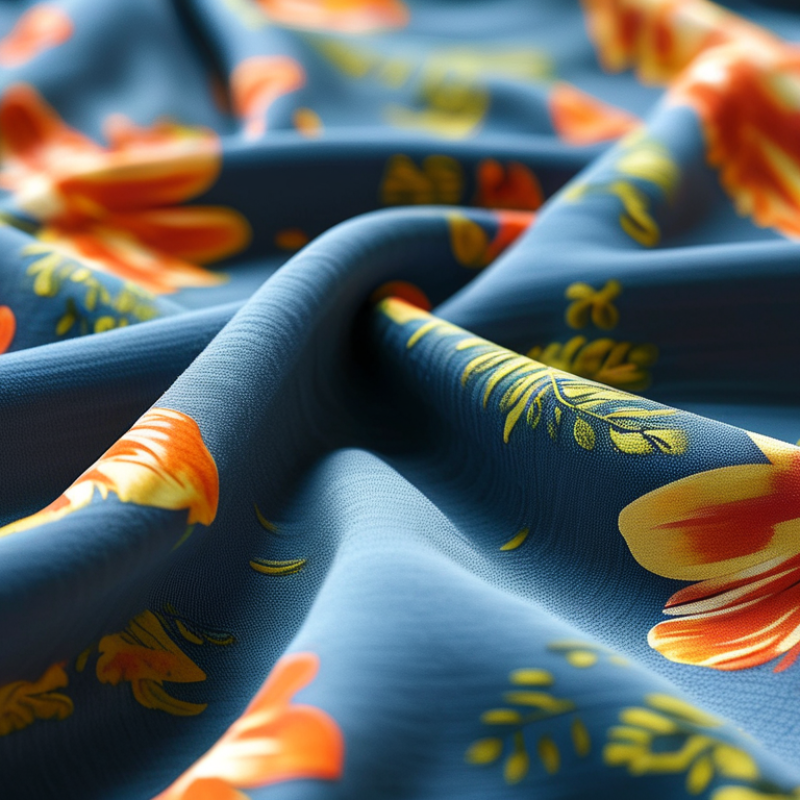
Activewear made from polyester elastane provides excellent moisture-wicking properties and flexibility. This makes it ideal for athletes and everyday wearers alike. Brands appreciate its breathable qualities, ensuring comfort during intense activities. The fabric's resilience allows for vibrant colors and patterns, enhancing design diversity. However, sourcing sustainable materials remains a challenge for many in the fashion sector.
Consider investing in garments with higher elastane percentages for improved stretch. This may bolster performance and comfort. Examine the care instructions to maintain fabric integrity. Polyester elastane is often machine washable, yet improper care can reduce its longevity. Remember, while this fabric is durable, its environmental impact prompts reflection on sustainability in fashion.
Key Advantages of Polyester Elastane Over Other Fabrics
Polyester elastane fabric combines the durability of polyester with the stretchability of elastane. This blend creates a comfortable yet resilient material that has gained popularity in various clothing lines. One key advantage of polyester elastane is its excellent elasticity. Unlike some traditional fabrics, it can return to its original shape after stretching, making it ideal for activewear and fitted garments. This stretchability enhances comfort, especially during movement.
Another benefit lies in its moisture-wicking properties. Polyester elastane rapidly draws moisture away from the skin, keeping the wearer dry and comfortable. This feature is especially valuable for athletes or anyone engaging in physical activities. Additionally, polyester elastane fabric is resistant to wrinkles and shrinking, requiring less maintenance than natural fibers. Yet, it can sometimes feel less breathable compared to purely natural materials, which can be a downside for some users.
Durability is also a crucial factor. Polyester elastane holds up well against wear and tear. This resilience makes it suitable for daily use, though over time, it may show signs of pilling. While many appreciate these qualities, some individuals might prefer the softness of cotton or linen over synthetic blends. The versatility and practical features of polyester elastane fabric continue to drive its popularity in the fashion industry.
What is Polyester Elastane Fabric and Why is it Popular? - Key Advantages of Polyester Elastane Over Other Fabrics
| Feature |
Polyester Elastane |
Other Fabrics |
| Stretchability |
Excellent stretch and recovery |
Limited stretch (e.g., cotton) |
| Durability |
High resistance to wear and tear |
Varies (e.g., linen is less durable) |
| Moisture Wicking |
Excellent moisture-wicking properties |
Limited moisture management (e.g., wool) |
| Care Instructions |
Easy to wash and quick-drying |
Often require special care |
| Comfort |
Soft and comfortable fit |
Comfort may vary widely |
| Cost |
Generally affordable |
Can be expensive (e.g., silk, cashmere) |
Industry Trends: The Growing Popularity of Polyester Elastane Fabric
In recent years, polyester elastane fabric has gained considerable traction in the textile industry. Its unique blend of polyester and elastane provides both durability and stretchability. According to a report from Research and Markets, the global stretch fabric market, dominated by polyester elastane, is expected to grow at a CAGR of over 7% from 2021 to 2026. This surge reflects an increased consumer demand for comfort and versatility in apparel.
The appeal of polyester elastane fabric lies in its applications across various sectors, including activewear and formal clothing. Industry data reveals that activewear made from stretch fabrics accounts for approximately 30% of the total sportswear market. Consumers are opting for clothing that not only looks good but also allows freedom of movement. However, challenges remain, such as the environmental impact of synthetic materials. The need for sustainability in the textile industry prompts a reevaluation of the fabric's production processes.
As brands strive to meet consumer expectations, the focus is shifting toward developing eco-friendly alternatives. Innovations in recycling technologies and the use of bio-based raw materials are being explored. Though it's a growing market, the path to sustainable production is complex. Balancing consumer demand with environmental responsibility remains a critical challenge.
FAQS
: Polyester elastane fabric is a blend of polyester and elastane. It offers durability and stretch.
Its moisture-wicking properties keep sweat away, enhancing comfort during activities. It allows freedom of movement.
Wash them in cold water to maintain shape. Air drying is preferred to prevent shrinkage.
It may not be breathable as natural fibers. Some users might find it less comfortable in hot weather.
It is durable and resistant to wrinkles but can feel less soft than cotton or linen.
Look for a higher percentage of elastane for better stretch. Check care labels for proper maintenance.
Yes, it returns to its original shape after stretching, suitable for fitted garments.
Yes, sourcing sustainable materials remains challenging in the fashion industry despite its popularity.
Yes, they are durable but may develop pilling with frequent use. Regular care can help maintain quality.
The fabric allows for vibrant colors and patterns, enhancing design options in fashion.
Conclusion
Polyester Elastane Fabric is a highly versatile material known for its blend of comfort, durability, and stretch. Comprising polyester for strength and elastane for elasticity, this fabric exhibits properties that make it ideal for a variety of applications, especially in the fashion industry. Its ability to retain shape while providing a snug fit makes it popular in activewear, swimwear, and form-fitting garments.
The advantages of Polyester Elastane Fabric over other textiles include its resistance to wrinkling and fading, ease of care, and moisture-wicking capabilities. As sustainability becomes increasingly important, the growing popularity of this fabric is also shaped by innovative manufacturing practices that appeal to environmentally-conscious consumers. Overall, Polyester Elastane Fabric is at the forefront of modern fashion trends, combining functionality with style.

 WEIJIN TEXTILE