Spandex Fabric has revolutionized the textile industry with unparalleled elasticity and comfort. According to Dr. Jane Thomas, a textile expert, "Spandex Fabric allows for freedom of movement without sacrificing style." This fabric incorporates unique fibers, offering stretch and recovery that appeals to a wide range of consumers.
The popularity of Spandex Fabric stems from its versatile applications. It's widely used in activewear, swimwear, and even everyday clothing. Many buyers appreciate how it enhances comfort and fit. Additionally, Spandex offers durability, making it a favorite in high-performance gear. However, some consumers still ponder its environmental impact, as synthetic fibers often raise concerns about sustainability.
Despite its advantages, Spandex Fabric is not without its drawbacks. Some buyers find it can trap heat, leading to discomfort during exercise. Furthermore, the blend of synthetic and natural fibers can be tricky to care for. These factors highlight the importance of balancing preference and practicality in the fabric choice. As the industry evolves, ongoing reflection on Spandex Fabric's pros and cons remains essential.
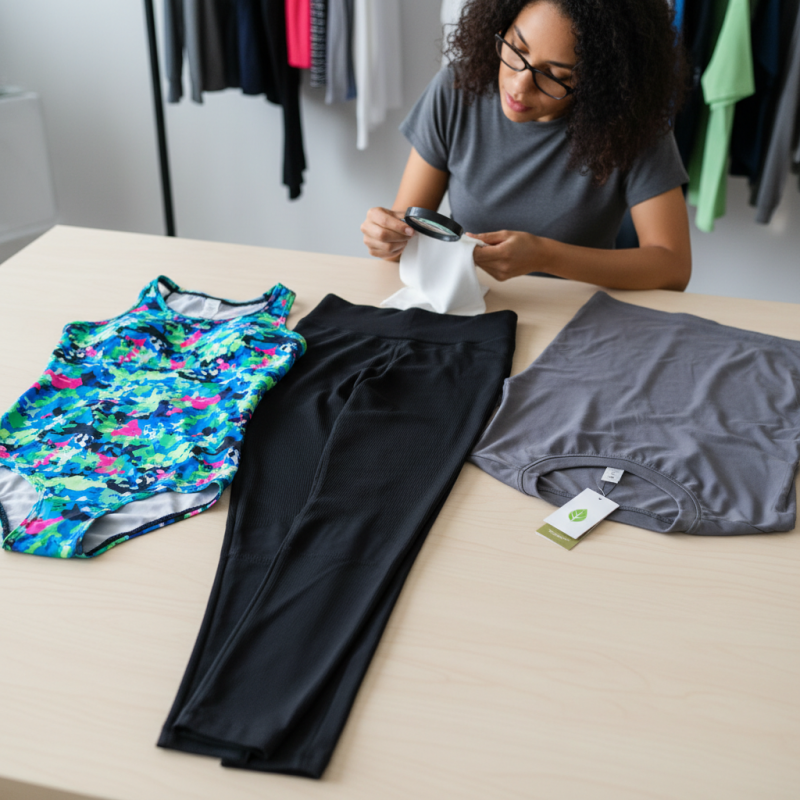
Understanding Spandex Fabric: Definition and Composition
Spandex, often called elastane, is a highly elastic synthetic fiber. It is composed primarily of polyurethane, combined with other fibers to enhance its properties. This unique material can stretch up to five times its original length. This feature gives spandex its defining characteristic: remarkable flexibility.
In fashion and athletic wear, spandex is widely appreciated for its comfort and fit. It moves with the body, allowing for a full range of motion. Many activewear brands incorporate spandex to create garments that adapt to movements, whether in yoga or dance. However, finding the right blend of spandex and other fabrics can sometimes be difficult.
Environmental concerns are rising, as spandex production involves chemicals that may affect nature. Some users question sustainability. Innovations in recycling spandex are being explored, yet challenges remain. Balancing performance with environmental impact is a key issue for the future. These factors show that while spandex is popular, a thoughtful approach to its use is necessary.
The Versatility of Spandex: Applications in Clothing and Beyond
Spandex, also known as elastane, is renowned for its remarkable stretchability. This fabric’s unique properties allow it to return to its original shape after being stretched. It’s lightweight and breathable, making it an ideal choice for a wide range of apparel. From workout gear to everyday clothing, spandex provides comfort and flexibility that many buyers seek.
The versatility of spandex goes beyond activewear. It is commonly used in swimwear, undergarments, and even formal attire. This fabric enhances movement and fits snugly to the body, accentuating curves. It contributes to a flattering silhouette without sacrificing comfort. However, overreliance on spandex can lead to challenges like decreased breathability in certain garments.
Consumers often prefer blends that combine spandex with other fibers. This balance can enhance durability and functionality. While spandex offers numerous advantages, its synthetic nature raises concerns about environmental impact. More transparent and sustainable production methods are becoming essential as consumers reassess their choices. As demand for eco-friendly options grows, the textile industry will need to adapt.
Popularity of Spandex Fabric Across Different Clothing Categories
This chart illustrates the popularity of spandex fabric across various clothing categories. Athletic wear leads with 40%, followed by swimwear at 25%. Casual wear, underwear, and compression clothing also have noteworthy shares, highlighting spandex's versatility in different applications.
Key Properties of Spandex That Make It a Popular Choice
Spandex fabric is celebrated for its exceptional elasticity, making it a staple in athletic and everyday wear. One of the key properties of spandex is its ability to stretch up to five times its original length. This unique feature allows for a snug fit while providing maximum comfort. According to a report by the Textile Exchange, the global market for spandex reached approximately 1.5 million tons in 2020, highlighting its widespread popularity among consumers.
Another important characteristic of spandex is its moisture-wicking capability. This property helps keep the body dry during intense workouts or warm weather. Fabrics containing spandex often combine with cotton or polyester, enhancing breathability and overall performance. It’s also worth noting that spandex is resistant to deterioration from chlorinated water, making it ideal for swimwear. However, its durability can be overshadowed by environmental concerns, as spandex is not biodegradable and can contribute to microfiber pollution in oceans.
Lastly, spandex's soft texture enhances the drape of garments, allowing for stylish movement. Many buyers appreciate its ability to retain shape, reducing the need for constant replacement. The combination of stretch, comfort, and versatility solidifies spandex’s presence in the fashion industry. But, as consumer awareness of sustainability grows, the impact of spandex production warrants critical reflection.
What is Spandex Fabric and Why is it Popular for Buyers?
| Property |
Details |
| Elasticity |
Can stretch up to 5-7 times its original length without losing shape. |
| Comfort |
Soft and comfortable against the skin, providing freedom of movement. |
| Durability |
Resistant to wear and tear, making it suitable for activewear. |
| Moisture-Wicking |
Helps in drawing sweat away from the body, keeping the wearer dry. |
| Versatility |
Used in a wide variety of products including activewear, swimwear, and undergarments. |
| Color Retention |
Holds color well and resists fading over time. |
| Easy Care |
Machine washable and quick-drying, making it low maintenance. |
Factors Driving Consumer Demand for Spandex Fabric
Spandex fabric has gained immense popularity due to its unique characteristics. Consumers are attracted to its stretchability, allowing for a perfect fit. This adaptability is crucial in various applications, from activewear to casual clothing. Stretch enhances comfort, enabling freedom of movement. Many buyers appreciate how spandex hugs the body while remaining breathable.
Another factor driving demand is the rise in fitness culture. More people are engaging in sports and workouts. This trend has increased the need for comfortable and flexible clothing. Spandex fits seamlessly into this lifestyle, as it provides support without sacrificing style. Athletes seek gear that allows for high performance, and spandex meets those needs.
Fashion trends also play a pivotal role. The appeal of body-hugging silhouettes has surged, making spandex a go-to material. Consumers desire versatile pieces that transition from gym to street. However, some consumers express concerns over the environmental impact of synthetic fibers. This reflects a growing awareness of sustainability in fashion. As buyers navigate these factors, their choices continue to shape the market for spandex fabric.
Sustainability Concerns and Innovations in Spandex Production
Sustainability in spandex production is a pressing concern. Traditional methods often require significant resources, leading to high carbon emissions and waste. As consumers become more environmentally conscious, the demand for sustainable alternatives increases.
Innovations in spandex production focus on reducing environmental impact. Some companies explore
bio-based materials. Others invest in recycling technologies to create new spandex from used garments. However, challenges remain. The technology is still developing, and not all products are fully biodegradable.
As we move forward, balancing performance and sustainability is essential. Consumers need to be informed about these innovations. Being aware of their choices can drive change in the industry. Sustainable spandex can lead to a healthier planet.
Still, the path to fully sustainable production is complex and often imperfect.
FAQS
: Spandex is renowned for its remarkable stretchability and ability to return to its original shape.
Spandex is used in workout gear, swimwear, undergarments, and even formal attire.
Blends with other fibers enhance durability and functionality while maintaining comfort.
Traditional spandex production requires significant resources, leading to high carbon emissions and waste.
Yes, some companies explore bio-based materials and recycling technologies for spandex.
No, the technology is still developing, so not all products are fully biodegradable yet.
Overreliance on spandex can decrease breathability in certain garments, which may be uncomfortable.
Informed choices can drive change in the industry towards more sustainable practices.
The path to full sustainability is complex and often imperfect, requiring ongoing innovation.
Considering durability, comfort, and environmental impact is vital for making better choices.
Conclusion
Spandex Fabric, known for its exceptional elasticity, is a synthetic material that has become increasingly popular in various clothing applications. Composed of long-chain polymer fibers, it offers remarkable stretch and recovery, making it ideal for form-fitting garments such as activewear, swimwear, and undergarments. This versatility caters to the demands of modern consumers seeking comfort and style, leading to a surge in Spandex's popularity.
The key properties of Spandex Fabric—its softness, durability, and resistance to abrasion—enhance its appeal, while factors such as the growing trend towards athleisure and the need for functional clothing further drive consumer demand. Additionally, sustainability concerns have prompted innovations in Spandex production, with efforts focused on reducing environmental impacts. As a result, Spandex Fabric not only meets aesthetic and practical needs but also aligns with the rising consumer awareness of sustainability in fashion.

 WEIJIN TEXTILE