Spandex fabric is gaining popularity in the textile industry due to its unique properties and versatility. According to a report by Grand View Research, the global spandex market size was valued at over $4 billion in 2022, highlighting its significance. Expert Jane Smith, a leading textile specialist, emphasizes, “Spandex fabric revolutionizes the way we think about comfort and flexibility in clothing.”
This material is widely used in activewear, jeans, and undergarments, making it a favorite among manufacturers and consumers alike. Spandex offers stretchability and resilience, enabling garments to fit snugly while retaining their shape. However, the fabric may come with challenges, such as care instructions that are often overlooked. Proper maintenance is crucial to prolong its lifespan and functionality.
While spandex is celebrated for its performance, some environmental concerns emerge. The production process can be resource-intensive, raising questions about sustainability. As the industry moves forward, balancing comfort with eco-friendliness must be addressed. Understanding spandex fabric's benefits, uses, and types is essential for making informed purchasing choices.
Understanding Spandex Fabric: Definition and Characteristics
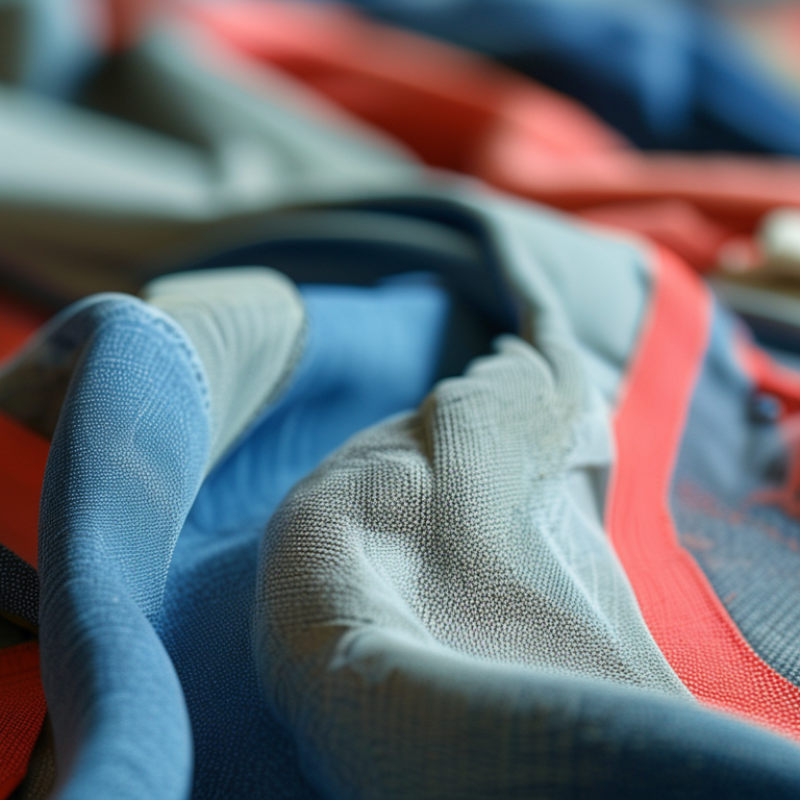
Spandex, also known as elastane, is a synthetic fabric known for its exceptional elasticity. This material is made from a polymer called polyurethane, which provides its stretching capabilities. Spandex can stretch up to five times its original length and then return to its original shape. This quality makes it a favorite in many clothing items, especially athletic wear. Whether it’s leggings, swimwear, or form-fitting tops, the versatility of spandex enhances comfort and fit.
The characteristics of spandex go beyond mere elasticity. It has a soft texture, which feels great against the skin. Additionally, spandex blends well with other fibers. This combination allows for both breathability and durability in garments. While spandex fabrics are resilient, they can be sensitive to heat. This means careful washing and drying are necessary to maintain their quality. Understanding these nuances can help buyers make informed decisions. Finding the right balance of spandex with other materials can sometimes be challenging. It calls for thoughtful consideration of the desired use and performance.
The Benefits of Spandex Fabric in Clothing and Beyond
Spandex fabric, known for its stretch, offers numerous benefits in clothing and various applications. Its ability to elongate up to five times its original size makes it ideal for sportswear. Athletes benefit significantly from the flexibility and comfort provided by spandex. This fabric moves seamlessly with the body, enhancing performance during workouts and while engaging in physical activities.
In addition to athletic wear, spandex is increasingly used in everyday apparel. Many garments, such as jeans and skirts, incorporate spandex for a better fit. The fabric provides a snug silhouette without compromising comfort. However, the environmental impact of spandex production raises questions about sustainability. While spandex enhances clothing performance, the reliance on synthetic fibers poses challenges for eco-conscious consumers. Balancing performance and environmental responsibility requires a thoughtful approach.
Benefits of Spandex Fabric in Clothing
Common Uses of Spandex in Various Industries
Spandex fabric is widely used across various industries due to its unique properties. This elastic material is known for its remarkable stretchability. Commonly, it is used in the fashion industry, particularly in activewear and swimwear. The snug fit allows for comfort during physical activities, enhancing performance without restricting movement.
In addition to fashion, spandex plays a crucial role in medical compression garments. These garments support circulation and reduce swelling. Hospitals and clinics often recommend them for recovery after surgery. The versatility of spandex means it can accommodate a range of body shapes, making it indispensable in adaptive clothing as well.
However, the increased use of spandex has raised concerns about environmental impacts. The production process involves chemicals that can be harmful. Many consumers are now seeking more sustainable options. While spandex offers benefits in terms of performance and fit, it’s essential to reflect on its lasting environmental footprint. Users want to balance functionality with eco-friendliness, pushing for innovation in sustainable fabric development.
Different Types of Spandex: Blends and Alternatives
Spandex is known for its remarkable elasticity. However, it often blends with other fabrics to enhance various qualities. Cotton-spandex blends offer breathability alongside stretch, making them ideal for casual wear. These combinations are widely used in leggings and activewear. The addition of cotton reduces the fabric's sheen, appealing to those who prefer a more natural look.
There are also alternative materials to spandex. For example, Tencel and bamboo fibers can be blended with elastane. These options provide eco-friendly alternatives, maintaining comfort and stretch. The rise of sustainable fashion makes these blends increasingly popular. However, they may not always deliver the same level of durability as conventional spandex.
While blends offer various benefits, they can sometimes lack the full stretch capacity of pure spandex. This trade-off can affect how well clothing retains its shape after multiple uses. Buyers should be mindful of their specific needs and choose accordingly. Exploring different blends can open doors to new possibilities. Yet, it’s essential to reflect on the performance and fit when selecting fabrics for active or everyday wear.
Choosing the Right Spandex Fabric for Your Needs
Choosing the right spandex fabric can be challenging due to its versatility. Spandex, or elastane, is known for its exceptional elasticity and comfort. It's crucial to consider your specific needs when selecting the right type. Factors like stretchability, weight, and texture can all influence your choice.
When you're shopping for spandex, think about the intended use. Activewear often requires a higher percentage of spandex for flexibility. Swimwear, on the other hand, may benefit from a fabric blend that offers durability against chlorine. Don’t forget to check the fabric care instructions. Some spandex blends may require special care to maintain their elasticity.
Tips: Always request fabric samples before making a purchase. This allows you to feel the texture and check the stretch. Additionally, read reviews to understand how the fabric performs in real-world conditions. It’s valuable to learn from others’ experiences, especially when it comes to fit and durability. Also, consider the sustainability of your choices. Some manufacturers focus on eco-friendly practices, which can impact your decision.
What Is Spandex Fabric: Benefits, Uses, and Types for Buyers
| Type of Spandex Fabric |
Benefits |
Common Uses |
| Microfiber Spandex |
Soft feel, great stretchability, water-resistant |
Activewear, leggings, and swimwear |
| Cotton Spandex |
Breathable, comfortable, retains shape |
Casual wear, jeans, and t-shirts |
| Nylon Spandex |
Durable, excellent elasticity, lightweight |
Swimwear, undergarments, and performance apparel |
| Polyester Spandex |
Quick-drying, resistant to shrinking, and fading |
Sportswear, outdoor gear, and fashion clothing |
| Blended Spandex |
Combines benefits of different fabrics, versatile |
Yoga pants, dance costumes, and fitted dresses |
FAQS
: Spandex is made from a polymer called polyurethane.
Spandex can stretch up to five times its original length.
Spandex has exceptional elasticity, a soft texture, and blends well with other fibers.
Spandex is often found in athletic wear, leggings, swimwear, and form-fitting tops.
Spandex fabrics are sensitive to heat, so careful washing and drying are essential.
It enhances performance by offering flexibility and comfort during physical activities.
Yes, spandex is integrated into jeans and skirts for a better fit and silhouette.
The production of spandex raises environmental impact issues, challenging eco-conscious consumers.
No, it can be challenging to balance spandex with other materials for desired performance.
Buyers need to think about both the fit and the environmental impact of spandex.
Conclusion
Spandex fabric, known for its exceptional elasticity, is a versatile material widely used in the garment industry and beyond. This fabric is characterized by its ability to stretch up to five times its original length, providing comfort and ease of movement in clothing. The benefits of spandex fabric include not only its flexibility but also its resistance to fading and wear, making it an ideal choice for activewear, shapewear, and everyday apparel.
Commonly found in various industries, spandex fabric is utilized in sports attire, swimwear, and even medical garments due to its supportive properties. There are different types of spandex, including blends with cotton or polyester, which enhance durability while maintaining comfort. When selecting spandex fabric, it's essential to consider the specific characteristics and blends that align with your intended use, ensuring you choose the right type for your fashion or industrial needs.

 WEIJIN TEXTILE