Choosing a Spandex Mesh Fabric supplier is not just a search for the lowest price. Buyers also need fabric that performs consistently across sampling, production, and delivery. Mesh weight, stretch recovery, openness, and hand feel can affect how a garment fits and lasts. A swatch may look right under showroom lights, yet behave differently after sewing or washing. Small details matter. This guide introduces ten suppliers for global buyers and highlights what to check before requesting quotes. It focuses on practical signals, not unsupported promises or a simple popularity contest. Good sourcing starts with clear specifications.
Compare each supplier’s product range, customization options, minimum order quantities, sample policies, production capacity, and export experience. Ask for current technical data, including fiber composition, fabric width, weight, and test methods where available. Then confirm lead times, color approval steps, packaging, and how defects are handled. These questions can help distinguish a polished catalog from a dependable working relationship. Still, no list can replace your own sample review. Performance depends on construction, finishing, intended use, and care conditions. Even experienced buyers can miss a mismatch when specifications remain vague. Fit varies. Treat the rankings as a starting point, verify details directly, and test fabric under realistic conditions before committing. Supplier information and capabilities can change, so comparisons are not flawless or permanent. Use this guide to narrow your options, then choose the partner whose quality, communication, and delivery fit your needs.
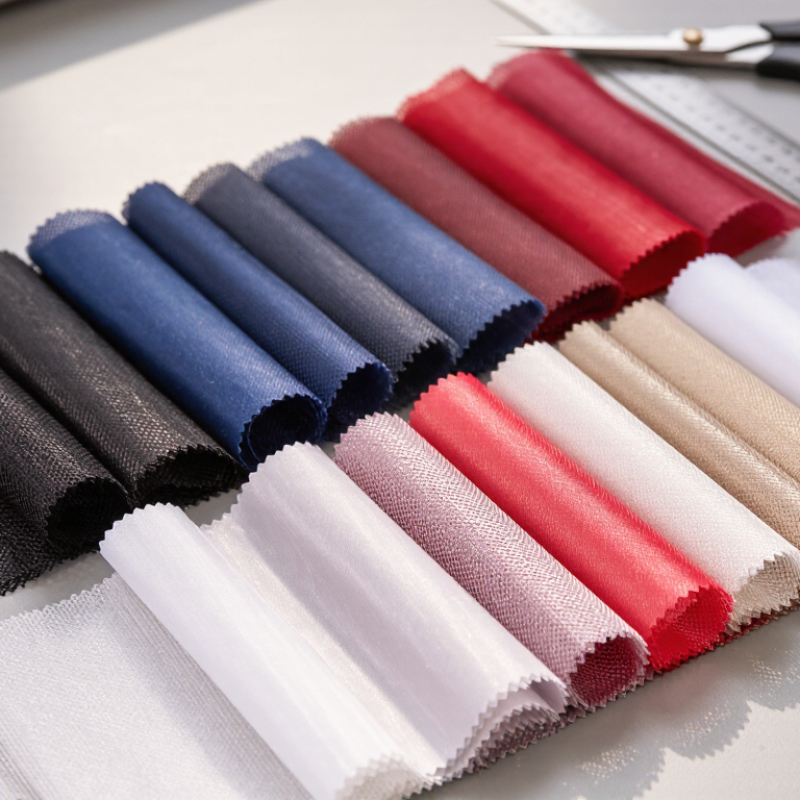
Spandex mesh is a stretch fabric with small, open spaces in its knit or weave. It usually combines spandex with nylon or polyester. The mesh structure lets air pass through, while the spandex helps the fabric stretch and recover. There is no single standard construction. Fiber ratios, hole size, weight, and stretch can vary, so the label alone tells only part of the story.
Designers use it in sportswear panels, dance garments, swimwear, and lightweight linings. A sheer sleeve may need a finer mesh than a ventilated panel in leggings. Some versions stretch in two directions; others stretch more across the width. Feel the fabric and test its recovery. A swatch can look soft but feel restrictive when worn. That is easy to overlook.
For a garment, match the mesh to its job. Open structures offer airflow but may snag more easily, while tighter meshes can provide greater coverage. Check the fabric’s stretch after repeated pulls, and consider how seams will behave under tension. Care instructions depend on the fiber blend, but gentle washing and avoiding high heat can help preserve elasticity. Small tests matter. A quick wash test may reveal changes in fit, texture, or transparency before cutting begins.
Spandex mesh combines an open knit structure with elastane for stretch and recovery. The chart shows representative midpoint estimates; actual content varies by fabric construction and intended use.
Assessing a spandex mesh supplier starts with evidence, not a glossy swatch. Ask for fiber composition, mesh opening range, fabric width, weight, and elastane content. Compare the figures with a certificate from the production lot. Small differences matter: a sample that feels springy by hand may bag after repeated wear. Request results for stretch and recovery, bursting strength, dimensional stability, and colorfastness. Reports should state the test method and identify the exact fabric construction. ASTM D2594 covers stretch properties of some knitted fabrics, while ISO 13938-2 measures bursting strength. A generic report is not enough.
Scale adds risk. Textile Exchange’s Materials Market Report 2024 estimated global fiber production at 124 million tonnes in 2023. That figure is not spandex-specific, but it underlines the complexity of fiber sourcing. Request lot-to-lot records, yarn-origin details, dye-house information, and corrective-action logs. Then run a pilot order. Inspect rolls under consistent lighting and tension for uneven openings, curling edges, barred lines, and shade drift. Ask how rejects are handled. A perfect sample proves little. Paperwork can still leave gaps.
Spandex mesh suppliers differ less by label than by knitting control, finishing, and order flexibility. A useful shortlist includes a Taiwan warp-knit mill for fine, stable openings; a South Korean fabric maker for soft stretch; a Chinese coastal producer for broad color options; and a Japanese specialist for precise gauge control. A Turkish mill may suit nearby European delivery, while an Italian finisher can offer refined dyeing and hand feel. These are sourcing profiles, not endorsements.
Other useful profiles include an Indian circular-knit producer for cost-conscious runs; a Vietnamese exporter with apparel-ready finishing; a US converter offering short lead times; and a European technical textile mill focused on consistent specifications.
Grand View Research valued the global spandex market at about US$8.4 billion in 2023 and forecast 9.1% annual growth through 2030. Textile Exchange reported global fiber production of 124 million tonnes in 2023, with polyester accounting for 57%.
These figures show the scale of synthetic textiles, but do not measure mesh demand directly. Ask each supplier for weight, stretch recovery, aperture photos, colorfastness results, and a sample roll.
One overlooked detail: mesh openings can distort after heat-setting. Published reports rarely isolate spandex mesh, so verify claims with tests.
For global buyers, comparing spandex mesh suppliers means looking beyond a broad fabric catalogue. Check available weights, hole sizes, stretch direction, recovery, and color options. A swatch can reveal whether the mesh feels soft or scratchy against skin. Ask for the same specifications across samples; otherwise, comparisons get muddy. Small differences matter.
Certifications can support a supplier’s claims, but verify the certificate’s scope, issuing body, and validity date. A document may cover one facility or material, not every product. Request test reports for relevant properties, such as colorfastness or fabric composition, and confirm that the tested fabric matches your intended order. Paperwork is useful, not magic.
Production capacity deserves equally close attention. Ask about monthly output, lead times, minimum order quantities, and how the supplier handles repeat colors. A large stated capacity does not guarantee room in the schedule during peak periods. Request a recent production timeline and clarify how delays are communicated. No checklist catches everything. I would also compare sample quality with bulk-lot inspection procedures, since a perfect swatch alone cannot prove consistent production.
This is an anonymous sourcing comparison framework, not a verified ranking of individual suppliers. Product availability, certifications, minimum order quantities, and production capacity vary by mill and must be confirmed directly. Certification references below are examples of relevant evidence to request, not claims that a supplier holds them.
| No. | Supplier Capability Profile | Typical Product Range | Certification or Documentation to Verify | Production Capacity Comparison | Key Buyer Checks |
|---|---|---|---|---|---|
| 1 | Warp-knit power-mesh specialist | Stretch mesh and power mesh in different weights, stretch directions, and openness levels. | Current OEKO-TEX Standard 100 certificate, if claimed, with scope covering the relevant material; test reports for restricted substances. | Request monthly output in kg by construction, width, and GSM; no universal capacity figure applies across mills. | Check recovery, bursting strength, dimensional stability, and shade consistency after washing. |
| 2 | Raschel-net producer | Open-net and patterned mesh fabrics, including stretch constructions for apparel and accessories. | Request product-specific test reports and any applicable chemical-management or quality-system certificates; verify scope and validity. | Compare available machine width, knitting schedule, and monthly output for the requested pattern and yarn. | Confirm mesh opening dimensions, snag resistance, edge stability, and repeatability of the pattern. |
| 3 | Circular-knit stretch-mesh mill | Lightweight tubular or open-knit mesh fabrics with elastane, depending on machine gauge and construction. | Ask for fiber-composition testing, colorfastness results, and a valid OEKO-TEX certificate if product safety certification is required. | Request output by fabric style and machine, plus confirmed allocation for sampling and bulk orders. | Check usable width, spirality, stretch and recovery, and whether the fabric is supplied tubular or open-width. |
| 4 | Integrated knitting and dyeing supplier | Knitted stretch meshes with in-house or coordinated dyeing and finishing options. | Request the facility’s current environmental permits and wastewater-treatment information where relevant, plus colorfastness test reports. | Separate knitting capacity from dyeing capacity; ask for monthly capacity by color, lot size, and finishing route. | Confirm lab-dip approval process, color tolerances, lead times, and ability to repeat shades across lots. |
| 5 | Recycled-content stretch-mesh supplier | Mesh made with recycled-content yarns where compatible with the requested construction and performance requirements. | For recycled claims, request a valid Global Recycled Standard (GRS) certificate and transaction documentation applicable to the supplied material. | Confirm yarn availability, certified-material allocation, and monthly output for the exact recycled composition. | Verify recycled-content percentage, chain-of-custody documents, elastane content, and performance against the non-recycled alternative. |
| 6 | Solution-dyed or specialty-color supplier | Selected colored mesh constructions; solution-dyed options depend on fiber type and yarn availability. | Request fiber and dyeing declarations, applicable chemical test reports, and shade-specific colorfastness results. | Ask for capacity by color and yarn; specialty colors may have different minimums and lead times from standard shades. | Confirm color approval method, light and wash fastness requirements, and whether matching can be maintained between production lots. |
| 7 | Functional-finish mesh supplier | Stretch mesh with optional finishes, such as moisture-management or antimicrobial treatments, when available and substantiated. | Request test methods, independent results, chemical compliance documentation, and evidence supporting any performance claim. | Confirm finishing-line capacity separately from greige-fabric capacity and ask about treatment batch sizes. | Check durability after laundering and ensure claims are tied to the exact fabric and tested finish. |
| 8 | Print-ready mesh supplier | Mesh constructions prepared for compatible printing processes, subject to the fabric’s openness, fiber content, and finish. | Request composition records, print-compatibility trials, and relevant colorfastness and chemical-compliance results. | Compare base-fabric output and printing capacity independently; confirm capacity for the specific print method and repeat length. | Test print definition, ink adhesion, fabric distortion, and color performance on production-representative samples. |
| 9 | Small-batch development mill | Custom sampling and limited-run mesh development, subject to available machinery, yarns, and finishing options. | Request current quality-system documentation and product-specific test reports; a certificate should be checked against its scope and validity dates. | Ask for sample-lot and bulk-lot capacities separately, along with minimums and development lead times. | Confirm ownership of specifications, sample approval stages, and whether the approved construction can be scaled consistently. |
| 10 | High-volume commodity-mesh supplier | Repeat-order mesh styles in established yarns, weights, and colors, subject to the supplier’s active production range. | Verify current facility certificates, product test reports, and buyer-required compliance documents directly with the issuing source where possible. | Request recent production records or a capacity declaration showing monthly output, utilization, lead time, and available backup capacity. | Check lot-to-lot tolerances, contingency planning, traceability, and ability to reserve capacity for repeat orders. |
Capacity figures are not directly comparable unless buyers specify the same fabric construction, fiber composition, width, GSM, color, and reporting period. Verify certification numbers, validity dates, certificate holders, and product scope before placing an order.
Global buyers should test spandex mesh beyond its appearance on a swatch card. Ask suppliers for a sample with the stated fiber blend, weight, width, and finish. Stretch a measured section, then check whether it recovers after repeated pulls. Wash a small piece using the care method planned for the finished garment. Mesh can look firm under showroom lights and feel quite different after washing. That is easy to miss.
Record the sample’s color, hole pattern, hand feel, and dimensions before approving it. If possible, compare the approved sample with fabric from a production run. Request a written quotation that separates fabric cost, sampling fees, minimum order quantity, packaging, and freight. Confirm whether prices are per meter or per yard, and ask how long the quote remains valid. A low unit price is not useful if the stated weight or usable width differs from the sample.
Clarify shipping terms, dispatch timing, destination charges, and who arranges transport before placing an order. Ask for the proposed packing method and shipment documents, then confirm how delays or shortages will be reported. Keep records. Email approvals, dated photos, and a signed sample reference can prevent confusion across time zones. These checks take time, and they will not remove every risk. They do make differences easier to spot before a large shipment leaves.
It is a stretch fabric with small openings in its knit or weave. Spandex helps it stretch and recover. Nylon or polyester may also be included.
It appears in sportswear panels, dance garments, swimwear, and lightweight linings. A fine sleeve mesh may differ from a more open legging panel.
Match its openness, coverage, and stretch to the garment’s purpose. Open mesh allows more airflow but may snag easily. Check how it feels when worn.
Pull a swatch repeatedly and see whether it recovers. Wash a small piece, too. Fit and transparency may change.
Request fiber content, fabric width, weight, opening range, and elastane content. Ask for test results tied to the exact fabric construction and production lot.
Inspect it under steady lighting and tension. Look for uneven openings, curling edges, lines, and color differences. A good-looking sample proves little.
It can reveal differences between samples and production fabric. Check stretch recovery, strength, dimensional stability, and colorfastness. Small tests matter.
Match supporting documents to the exact product and production site. Records may still leave gaps, so I would double-check them.
Not directly. Broader fiber and spandex figures show a large synthetic textile market, but they do not measure mesh demand itself.
Spandex Mesh Fabric combines the flexibility of spandex with an open, breathable structure, making it suitable for applications such as activewear, dance apparel, linings, and other garments that need stretch and airflow. Choosing a supplier involves more than comparing prices: buyers should consider fabric composition, stretch and recovery, mesh construction, color options, consistency, quality-control practices, communication, and the supplier’s ability to meet order volumes and timelines.
This guide presents profiles of ten supplier options without assuming that one is right for every buyer. It explains how to compare product range, relevant certifications, and production capacity, then outlines practical steps for checking samples before placing an order. Buyers can also request clear quotations and confirm minimum quantities, lead times, payment arrangements, packaging, shipping methods, and delivery terms in writing. Careful evaluation helps global buyers select fabric that matches their intended use and reduces surprises during production and shipment.