In the global textile industry, the demand for high-quality Fabric Rolls continues to rise. According to a recent report from Market Research Future, the global fabric market is projected to reach USD 100 billion by 2025. This staggering number highlights the importance of choosing the right Fabric Rolls for various applications, from fashion to upholstery.
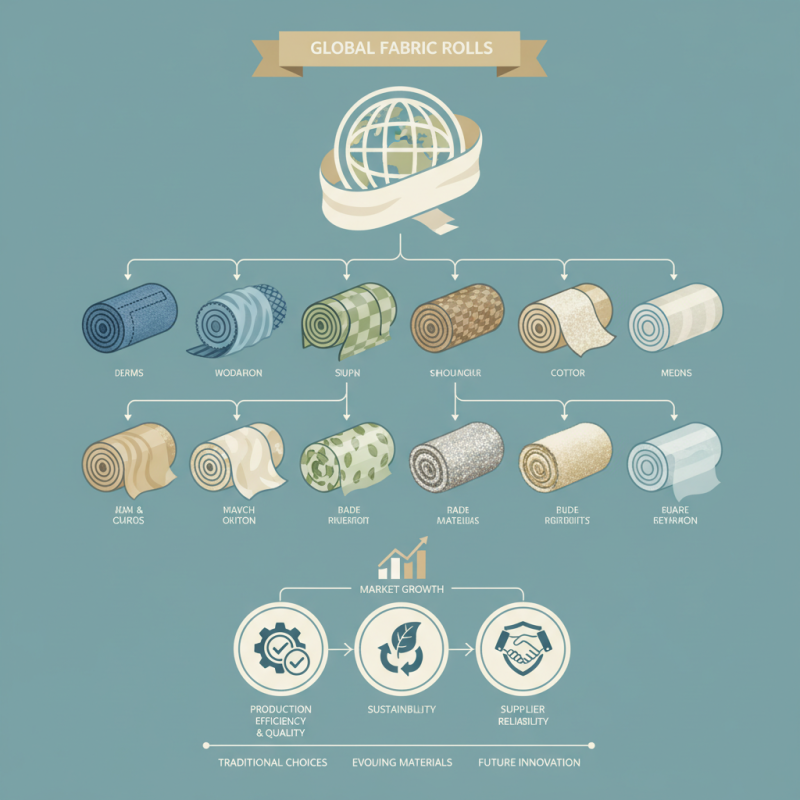
Expert Dr. Emily Chen, a leading figure in textile innovation, emphasizes, "Selecting the right Fabric Rolls can significantly impact production efficiency and quality." Buyers must be aware of different types of fabrics, their properties, and how they correspond to market trends. As the industry evolves, new materials are being introduced, challenging traditional choices.
However, the abundance of options can lead to overwhelming decisions. The ideal Fabric Rolls are not always the easiest to find. It is crucial to reflect on the specific needs of your projects. Quality, sustainability, and supplier reliability should be at the forefront of your decision-making process. The right Fabric Rolls can make or break a product's success in the competitive market.
Essential Characteristics of High-Quality Fabrics for Buyers
When exploring fabrics, high quality is essential for global buyers. Several characteristics indicate superior materials. First, check the fabric’s weave. A tight weave typically signifies durability. Loose weaves can lead to fraying, which is problematic over time.
Another key aspect is the feel of the fabric. Touch is vital; premium fabrics should feel smooth yet substantial. Rough textures may signal lower quality. Buyers should also pay attention to colorfastness. Fabrics that fade quickly are not reliable for long-term use. Remember to ask about the dyeing process. Natural dyes often yield richer colors and safer products.
Lastly, consider the fabric’s weight. Heavier fabrics can indicate quality as they often withstand wear and tear better than lighter varieties. However, don’t rule out light fabrics entirely. They can be high-quality too if crafted with care. Regularly assess samples to avoid relying solely on visuals. Quality should be experienced firsthand. This mix of testing and observation provides real insight into fabric value.
Top 10 Fabric Rolls Every Global Buyer Should Consider
Top Fabric Types: An Overview of Options for Global Sourcing
When sourcing fabrics globally, understanding the types available is crucial.
Cotton stands out for its versatility. It’s soft, breathable, and ideal for many applications.
However, cotton can be prone to wrinkling and fading, which might not suit every need.
Silk, on the other hand, exudes luxury and elegance.
Its smooth texture is perfect for high-end garments.
Yet, it requires delicate handling and can be costly.
Another option is polyester, renowned for durability and resistance to shrinking.
This synthetic fabric holds its shape well, making it popular for active wear.
But, it lacks the breathability of natural fibers, leading to discomfort in warmer climates.
Linen is another natural fabric, known for its crisp finish and breathability.
However, it wrinkles easily, which may deter some buyers.
Understanding these characteristics helps global buyers make informed decisions about their fabric sourcing needs.
Key Factors to Consider When Selecting Fabric Rolls
When selecting fabric rolls, buyers should focus on several critical factors. The first aspect to consider is the fabric's composition. Natural fabrics like Cotton and Linen are often favored for their comfort and breathability. According to the Textile World Market, cotton alone represents over 30% of global fabric consumption. However, synthetic fabrics like Polyester are also vital, as they offer durability and cost-effectiveness. Ignoring the balance of these materials can lead to unsatisfactory outcomes.
Another essential consideration is the fabric's weight and texture. Heavier fabrics can lend structure to garments, while lighter options provide flow and ease. For instance, a denim weight of 12 oz is ideal for sturdy clothing, whereas chiffon at around 3 oz is perfect for flowing designs. Remember to also assess certifications and ethical sourcing. The Global Organic Textile Standard (GOTS) highlights products that meet both ecological and social criteria. Failing to prioritize these aspects may reflect poorly on your brand and merchandise.
Lastly, consider the environmental impact of your fabric choices. The textile industry contributes significantly to pollution and waste. Reports indicate that around 92 million tons of textile waste are created globally each year. By prioritizing sustainable options, buyers can mitigate their carbon footprint while promoting eco-friendly practices. Keep these factors in mind when making decisions. They can significantly influence both quality and consumer perception.
Sustainability Trends in Fabric Production and Their Impact
Sustainability in fabric production has gained significant traction. Buyers are now more conscious of their choices. Fabrics made from organic materials, like cotton and linen, dominate the market. These fabrics not only minimize chemical usage but also promote eco-friendly farming practices. Sustainable options can lead to a smaller carbon footprint. However, the availability of these materials can be inconsistent, posing challenges for global buyers.
Moreover, recycling fabrics has become a crucial trend. Consumer awareness on waste management is increasing. Brands are now focused on upcycling materials, transforming old fabric into new products. This practice reduces landfill waste and supports a circular economy. Despite the positive impacts, the recycling process can be complex. Many fabrics do not lend themselves easily to recycling, which raises questions about efficiency.
Finally, there is a growing demand for transparency in the supply chain. Buyers seek to know the sourcing and production processes. A commitment to sustainability requires openness from manufacturers. However, some suppliers still lack accurate information about their practices, making it harder for consumers to make informed choices. It’s essential for the industry to address these gaps to foster a genuinely sustainable future.
Innovative Fabrics: Emerging Materials Every Buyer Should Know
In the dynamic world of textiles, innovative fabrics are shaping the future of fashion and functionality. Emerging materials such as bio-fabrics, made from natural ingredients, are garnering interest. These fabrics not only reduce environmental impact but also offer unique textures.
For instance, some designers are exploring fabrics derived from algae or botanical materials, pushing the boundaries of sustainability.
Another notable trend is the development of performance textiles. These fabrics feature moisture-wicking capabilities and are lightweight yet incredibly durable. They are perfect for activewear, tailored to meet the demands of modern consumers. However, not all performance fabrics are created equal. Some may compromise comfort for durability, presenting a challenge for buyers seeking the perfect balance.
Finally, smart textiles are making waves. These fabrics incorporate technology, allowing for functionalities like temperature regulation and even health monitoring. While the potential is exciting, the price can be a barrier, limiting accessibility. As buyers consider these innovative fabrics, the journey involves weighing benefits against challenges. The landscape of textiles is evolving; staying informed is essential.
FAQS
: Organic materials like cotton and linen lead the market. They minimize chemical use and promote eco-friendly farming.
Recycling reduces landfill waste and supports a circular economy. However, recycling complexities can hinder efficiency.
The availability of sustainable materials can be inconsistent. This inconsistency creates challenges for global buyers.
Buyers want to understand sourcing and production processes. Transparency fosters trust but is still lacking in some suppliers.
Bio-fabrics come from natural ingredients and reduce environmental impact. They also offer unique textures for designers.
Performance textiles are lightweight and durable. They feature moisture-wicking capabilities, ideal for activewear, but may compromise comfort.
Smart textiles integrate technology for functions like temperature regulation. Their pricing can limit accessibility, making them a challenge.
Buyers should weigh benefits against challenges. Comfort, durability, and price are crucial factors to consider carefully.
Many suppliers lack accurate information about their practices. This gap makes it hard for consumers to make informed choices.
Growing environmental concerns prompt consumers to care about waste. This awareness encourages better practices in the industry.
Conclusion
In the article "Top 10 Fabric Rolls Every Global Buyer Should Consider," key insights into high-quality fabrics are explored, emphasizing essential characteristics that buyers need to assess. It outlines various fabric types available for global sourcing, providing an overview that aids buyers in making informed decisions. Additionally, the article highlights key factors to consider when selecting fabric rolls, such as durability, texture, and cost-effectiveness.
Moreover, the piece addresses the growing sustainability trends in fabric production, reflecting on how these practices impact both the market and the environment. Lastly, it introduces innovative fabrics and emerging materials that every buyer should be aware of, ensuring they stay ahead in the evolving fabric landscape. This comprehensive guide serves as a valuable resource for global buyers seeking to enhance their sourcing strategies with quality fabric rolls.

 WEIJIN TEXTILE