Sourcing Shiny Net Fabric in China can open access to a wide range of mesh constructions, finishes, and production options. Yet a glossy sample tells only part of the story. Buyers also need to understand fiber content, fabric weight, usable width, stretch, and how the surface behaves under light. Small differences matter. A metallic-looking finish, for example, may come from different yarns or treatments, each affecting feel, durability, and care requirements.
This guide introduces ten Chinese suppliers relevant to Shiny Net Fabric sourcing. It is designed as a practical starting point, not a guaranteed ranking or endorsement. Supplier capabilities and product ranges can change, so confirm current specifications directly. Request physical samples, compare them under consistent lighting, and ask for written details on minimum order quantities, sampling fees, lead times, and production tolerances. Check whether the supplier can provide test reports or other documentation that suits your product and market needs.
A polished swatch can still disappoint. Batch variation, color shifts, or a mesh that feels rough against skin may only become clear after closer inspection. Ask how the fabric performs after sewing, washing, or repeated handling, where relevant. Clear questions help reveal whether a supplier understands your application, rather than simply offering a low price. Some information may remain uncertain until samples are tested in your own process. That is worth acknowledging. The profiles ahead provide comparison points for further research, helping buyers narrow options while making final decisions based on verified details, consistent communication, and their specific production requirements.
What Shiny Net Fabric Is and How It Is Made
China Top 10 Shiny Net Fabric Suppliers
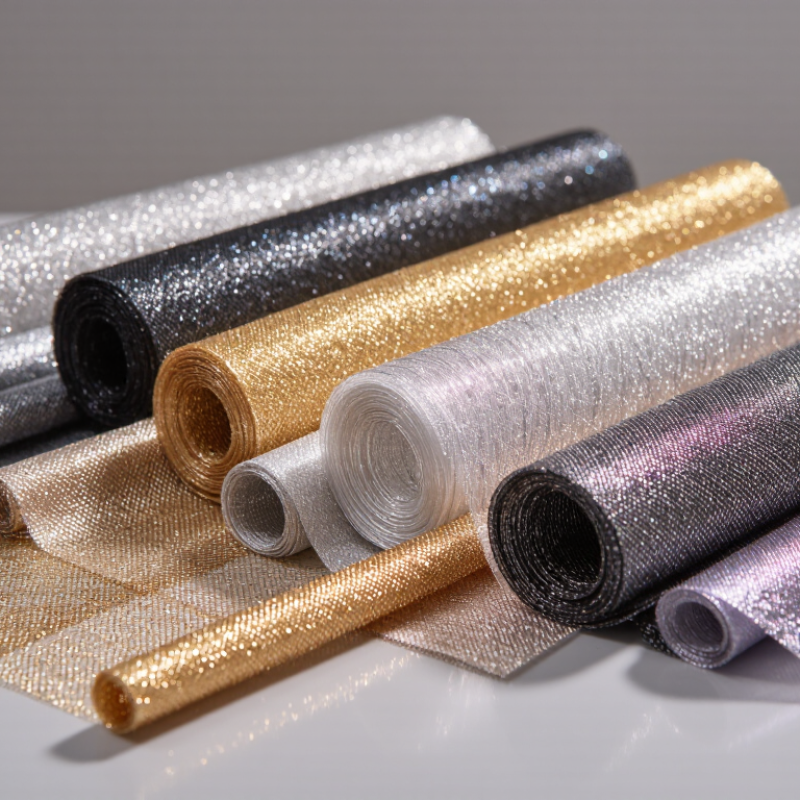
Shiny net fabric is an open-mesh textile with a reflective surface. It is not one fixed fiber or construction. Makers can use polyester or nylon yarns, then create the mesh through knitting or weaving. Warp-knitted Raschel structures are common because they hold stable openings while remaining flexible. The shine may come from lustrous filament yarns, metallic threads, or a surface finish. That matters.
Production begins with selecting yarn and setting mesh size. Fine, tightly spaced filaments can create a smoother glint; larger openings reveal more of the underlying garment. During finishing, heat-setting helps stabilize synthetic mesh, while coatings or metallic effects can add stronger reflection. These treatments may also change softness, airflow, and snag resistance. A bright sample does not tell the whole story.
Textile Exchange’s 2024 Materials Market Report estimated global fiber production at 124 million tonnes in 2023. Polyester accounted for 57% of that volume. This provides industry context, not a shiny-net-specific market estimate. For buyers, useful checks include mesh consistency, stretch recovery, colorfastness, and how the fabric behaves under direct light. Ask for a washed sample, too. I have seen a finish look vivid on a swatch, then feel stiff across a larger panel. That trade-off deserves a closer look.
China Top 10 Shiny Net Fabric Suppliers - What Shiny Net Fabric Is and How It Is Made
| Specification or Process |
Common Options or Facts |
What Buyers Should Check |
| 1. Base fiber |
Polyester and nylon are common synthetic fibers used in apparel mesh and tulle. Fiber choice affects feel, care, strength, and dyeing behavior. |
Confirm the fiber composition on the specification sheet and verify care and labeling requirements for the intended market. |
| 2. Fabric construction |
Net fabrics are knitted constructions. Warp knitting and weft knitting are different methods, and the construction influences stretch, stability, and appearance. |
Ask for a sample and identify the construction and stretch direction before approving a production order. |
| 3. Mesh pattern |
Mesh openings can vary in shape, size, and spacing. These features depend on the yarn and knitting setup. |
Compare the sample with the required opening appearance, transparency, and drape; request a physical swatch for approval. |
| 4. Source of shine |
A shiny effect may come from metallic-effect yarn, glitter or foil applied to the surface, or a reflective finish. These methods produce different looks and handling properties. |
Clarify whether the effect is part of the yarn or added during finishing, and check for shedding, surface transfer, and durability. |
| 5. Yarn preparation |
Yarns are prepared and fed into knitting equipment. If metallic-effect yarn is used, its placement and compatibility with the base yarn affect the finished appearance. |
Confirm the yarn composition, color, and effect with a production-representative sample. |
| 6. Knitting |
The yarns are knitted into an open mesh structure. Machine settings and construction determine features such as mesh formation and fabric stability. |
Check the fabric for consistent mesh, defects, usable width, and the stretch or recovery needed for the garment. |
| 7. Dyeing and color |
Dyeing may take place before or after fabric formation, depending on the material and production route. Color and shine can look different under different lighting. |
Approve a color standard and inspect samples under consistent lighting; specify any required colorfastness tests. |
| 8. Finishing |
Finishing can include heat setting, surface embellishment, or other treatments. The process depends on fiber content and the desired appearance. |
Ask which finishes are used and assess the fabric after appropriate care or durability testing. |
| 9. Quality inspection |
Common checks include fabric width, weight, color consistency, visible defects, and performance tests selected for the product's intended use. |
Agree on inspection criteria and tolerances before production; request test reports when a specific performance claim is required. |
| 10. Supplier evaluation |
Supplier capabilities, minimum order quantities, lead times, and available certifications vary by factory, material, and order specification. |
Request current quotations, sample lead times, production lead times, relevant certificates, and written confirmation of the agreed specifications. |
|
This table is a product and sourcing guide, not a verified ranking of individual suppliers. Specifications and production details should be confirmed with each supplier.
|
How China’s Shiny Net Fabric Industry Serves Global Markets
China Top 10 Shiny Net Fabric Suppliers
How China’s Shiny Net Fabric Industry Serves Global Markets
China’s shiny net fabric suppliers serve fashion, dancewear, decoration, and event-textile buyers. Their products range from fine, soft mesh to firm netting with reflective yarns or surface finishes. Small differences matter: under bright lights, a silver thread may sparkle, while a coated surface can look flatter. Buyers often request swatches before approving bulk production.
The wider export figures show the scale of China’s textile supply base. The China Chamber of Commerce for Import and Export of Textiles reported that 2024 textile and apparel exports reached about US$301.1 billion, based on China Customs data. Textile exports accounted for approximately US$142.0 billion. That is a broad benchmark, not a shiny-net tally. Customs categories do not separately identify shiny net fabric.
Global demand also depends on trade conditions. The WTO’s April 2024 Global Trade Outlook and Statistics forecast merchandise-trade volume growth of 2.6% for 2024; this covers all goods, not fabric alone. For overseas buyers, reliable sampling, color consistency, and clear specifications can matter as much as price. Ask suppliers to document mesh width, weight, finish, and colorfastness. A reflective finish can vary between batches. That remains a practical issue worth checking.
Criteria for Identifying Leading Shiny Net Fabric Suppliers
Choosing a shiny net fabric supplier requires more than comparing photographs or quoted prices. Ask for a current technical sheet listing fiber composition, fabric weight, usable width, mesh opening, and finishing method. Under fixed lighting, compare physical swatches for gloss, color consistency, and visible defects. Request test results for tensile strength, snagging, and colorfastness, with methods and test conditions stated. Record batch numbers; small differences between lots can affect garment panels or decorative work. A glossy sample alone proves little.
Textile Exchange’s Materials Market Report 2024 estimates global fiber production reached 124 million tonnes in 2023, with polyester representing 57 percent. That figure describes the wider fiber market, not shiny net quality. Use it as context, not a supplier score. A reliable evaluation also checks traceability documents, production capacity, lead times, and whether specifications match the delivered roll. Confirm these details with a sample order and inspection before scaling up. No scorecard is perfect. One practical weakness is that lab tests may not predict how delicate netting behaves during sewing, so trial the fabric on the intended equipment.
Profiles of 10 Shiny Net Fabric Suppliers in China
China Top 10 Shiny Net Fabric Suppliers
These ten profiles describe useful supplier capabilities, not a verified company ranking. A warp-knit specialist can offer stable openings and consistent edges. A polyester-tulle mill may suit lightweight overlays. Nylon-mesh producers often focus on softer hand feel and stretch. Metallic-yarn workshops add sparkle through reflective yarns. Coating specialists create brighter surfaces, but coatings can affect breathability. Embroidery-focused suppliers add sequins or stitched patterns. Stretch-mesh makers serve dancewear and fitted garments. Bridal-net suppliers offer finer, softer constructions. Recycled-yarn producers provide another material option. Custom-dyeing mills help match shades across production lots.
The Textile Exchange Materials Market Report 2024 estimates global fiber production reached 124 million tonnes in 2023, with polyester representing 57 percent. This broad market context helps explain why polyester net is widely available; it does not verify any individual supplier’s capacity or quality. Request current specifications, sample yardage, and test results before comparing offers. A glossy swatch can still hide uneven openings or weak recovery. I would check this twice.
Tips: Send suppliers the same brief, including fiber content, width, weight, shine level, and intended use. Ask for close-up photos under neutral light. Test snagging, stretch recovery, and color consistency after washing. Small sample differences matter.
How to Compare Supplier Capabilities and Product Options
When comparing China’s shiny net fabric suppliers, look beyond catalog photos. Ask for the fiber composition, fabric width, weight, mesh opening, and finishing method. These details affect drape, shine, and how well the material holds its shape. A close-up swatch under daylight can reveal uneven sparkle or snags that studio images hide. Small differences matter.
Compare product options against the intended use. A softer net may suit layered garments, while a firmer construction may work better for decorative panels. Request samples from more than one production lot when consistency is important. Ask how the supplier checks color, width, and surface defects, and whether the quoted specifications apply to bulk orders. A sample is useful, but it does not prove every roll will match. That part deserves careful follow-up.
Tips: Send the same written specification to each supplier. Record sample measurements and inspect edges, mesh spacing, and shine under indoor and natural light. Ask about lead time and minimum order quantity. Keep your notes specific; “good quality” is too vague. One overlooked detail can change the result.
Conclusion
This article introduces Shiny Net Fabric, explaining its distinctive reflective appearance, common material characteristics, and the general steps involved in its production. It also explores how China’s manufacturing industry supports international demand through varied product options, production capacity, and export-oriented services. Readers will learn which factors can help identify a reliable supplier, including fabric quality, consistency, customization capabilities, communication, and delivery performance.
The article profiles ten Chinese suppliers without focusing on brand promotion, highlighting the kinds of products and services buyers may encounter. It concludes with a practical framework for comparing supplier capabilities, fabric specifications, finishes, and available options. Together, these insights can help buyers better understand the market and make informed choices when sourcing Shiny Net Fabric for different design and production needs.

 WEIJIN TEXTILE