The global demand for stretch spandex fabric continues to rise, driven by the activewear and athleisure markets. Industry reports indicate that the spandex market is expected to reach $11 billion by 2025, with a compound annual growth rate (CAGR) of 7% from 2020 to 2025. This growth highlights the increasing need for suppliers that can meet both quality and delivery expectations.
Stretch spandex fabric is renowned for its flexibility and comfort, making it a preferred choice for manufacturers. However, the supply chain faces challenges such as fluctuating raw material prices and environmental concerns associated with production processes. These factors can affect supplier reliability. Not all suppliers can maintain consistent quality, despite the growing market.
Finding the right supplier is crucial for brands aiming to capitalize on this trend. Global buyers seek partners who offer not only superior products but also adherence to sustainability practices. Understanding the landscape of stretch spandex fabric suppliers can lead to better sourcing decisions, ultimately benefiting end consumers.
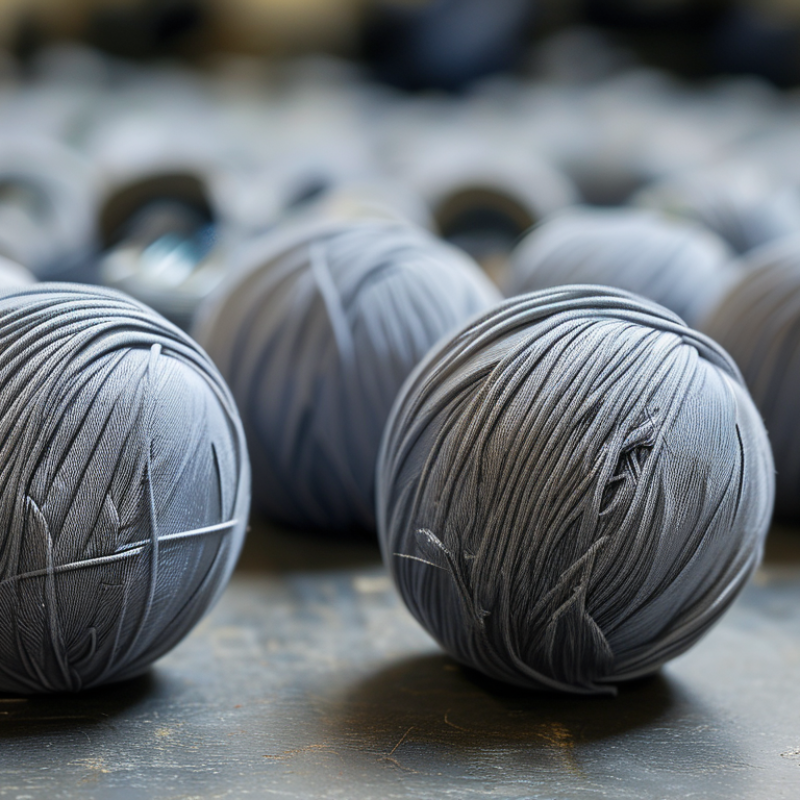
Stretch spandex fabric is known for its elasticity and comfort. This material is widely used in the fashion and athletic industries. It is often blended with other fibers to enhance its properties. As a result, garments made from this fabric can offer a snug fit and excellent freedom of movement.
Applications of stretch spandex can be seen in activewear, swimwear, and lingerie. Athletes prefer this fabric for its ability to wick away moisture and provide support. Similarly, it is favored in fashion for its ability to shape and enhance body contours. Designers appreciate its versatility, allowing for various styles and cuts. However, the manufacturing process can raise concerns about sustainability. The reliance on synthetic materials may lead to environmental implications that deserve consideration.
When sourcing stretch spandex, buyers face challenges. Not all suppliers maintain the same standards, which can lead to inconsistencies in quality. It is vital to conduct thorough research to ensure reliability and expertise. Understanding the specific requirements for intended applications can help buyers make informed decisions. Balancing affordability with quality can also pose a dilemma. Buyers must reflect on these aspects to find the best solutions for their needs.
| Supplier Location | Annual Production Capacity (Metric Tons) | Main Applications | Certifications | Contact Method |
|---|---|---|---|---|
| China | 50,000 | Sportswear, Swimwear | ISO 9001 | Email, Phone |
| USA | 30,000 | Athletic Wear, Dance Costumes | Oeko-Tex, GOTS | Online Inquiry |
| India | 40,000 | Loungewear, Underwear | ISO, BSCI | Phone, WhatsApp |
| South Korea | 20,000 | Activewear, Fashion Apparel | ISO 14001 | |
| Brazil | 25,000 | Activewear, Swimwear | EcoCert | Phone, Email |
| Turkey | 35,000 | Fashion Apparel, Casual Wear | OEKO-TEX, ISO | Online Chat, Email |
| Vietnam | 45,000 | Sportswear, Uniforms | ISO 9001 | Phone, Email |
| Pakistan | 15,000 | Sports, Outdoor Gear | BSCI, ISO | |
| Indonesia | 55,000 | Lounge, Casual Wear | GOTS, Oeko-Tex | Phone, Chat |
| Mexico | 60,000 | Activewear, Leisure Wear | ISO, EcoCert | Online Inquiry |
: Buyers should prioritize quality, sustainability, and pricing when choosing suppliers.
Quality control is vital as over 40% of defects arise from poor management.
Around 60% of consumers prefer sustainable fabrics, emphasizing the need for eco-friendly options.
The average price for spandex fabrics increased by 15% over the past two years.
Evaluating customer reviews and industry feedback can provide insights into supplier reliability.
Communication issues may lead to misunderstandings, resulting in unsatisfactory product outcomes.
Transparency indicates a supplier’s commitment to sustainable practices and ethical production.
Some suppliers minimize waste and energy use, attracting environmentally conscious buyers.
Not all suppliers maintain diligent quality control, causing discrepancies in their fabric quality.
Clear dialogue about needs is essential to avoid misunderstandings and ensure satisfaction.
Stretch Spandex Fabric has gained immense popularity in various industries due to its versatility and elasticity, making it an ideal choice for activewear, swimwear, and other clothing applications. This article outlines the key criteria for selecting top suppliers in the Stretch Spandex Fabric market, focusing on factors such as product quality, customer service, and production capabilities.
Furthermore, it highlights a list of leading global suppliers, analyzing their strengths and specializations to aid buyers in making informed decisions. By examining current market trends, this overview provides valuable insights into the evolving landscape of the Stretch Spandex Fabric industry, empowering buyers to navigate their sourcing strategies effectively.

 WEIJIN TEXTILE