In the dynamic world of textile fabrics, understanding the key materials is crucial for buyers. Industry expert Jane Smith notes, "Choosing the right textile fabric can make or break a product." This statement underscores the importance of informed decisions in fabric selection.
Textile fabrics come in various types, each offering unique properties and textures. From cotton to silk, each fabric serves specific functions and markets. Buyers must be aware of these differences to meet consumer demands effectively. Additionally, trends in sustainability and innovation are reshaping the textile landscape.
Navigating the vast array of options can be overwhelming. Many buyers may overlook critical factors, such as durability or environmental impact. Engaging with reliable sources and industry experts can help refine choices. As improvements in textile technology continue, the landscape will evolve. Knowledge remains a powerful tool for any buyer in this field.
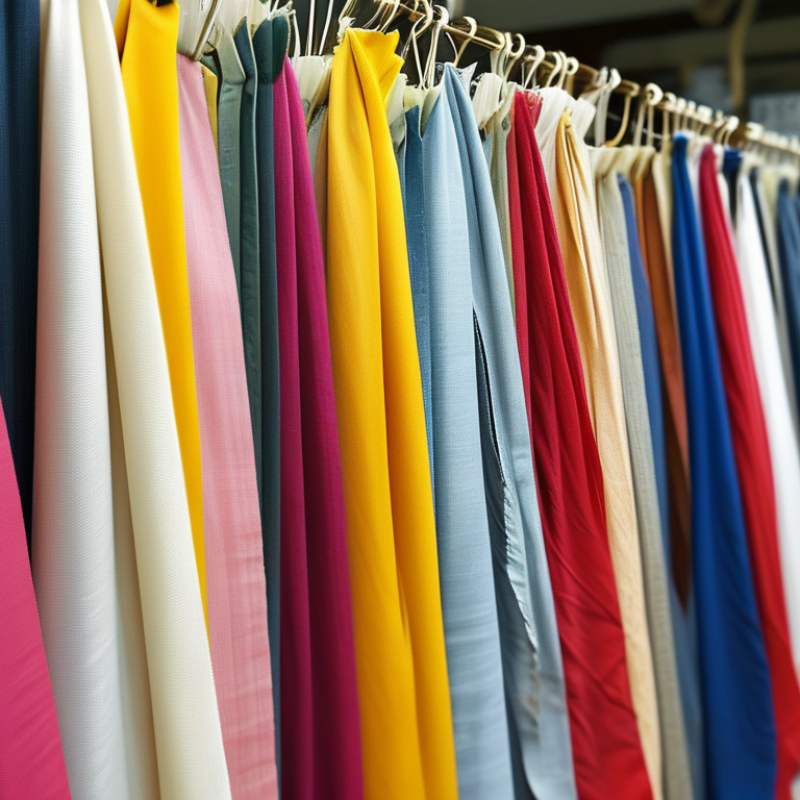
When buying textile fabrics, understanding their essential characteristics is crucial. Different fabrics have unique qualities that affect their performance and suitability. First, consider the fabric’s weight. Lightweight fabrics often work well for summer clothing, while heavier ones provide warmth in winter. Look for details on fabric care and durability. Some fabrics are sensitive to washing temperatures, while others resist wear and tear.
Another important aspect is the fabric's composition. Natural fibers like cotton and wool offer breathability. Meanwhile, synthetic fibers provide elasticity and resilience. Buyers should also consider fabric texture. A soft fabric feels great against the skin, while a rough one might cause discomfort.
Additionally, be aware of the fabric's environmental impact. Sustainability is becoming increasingly important in the textile industry. Some fabrics are produced using eco-friendly processes. Always ask suppliers about their sourcing practices. This information helps you make responsible purchasing choices. Remember, choosing the right fabric involves both personal preference and practical consideration.
Natural fabrics play a crucial role in numerous industries. They are derived from plants and animals, showcasing unique textures and characteristics. Cotton, for example, is breathable and soft, ideal for clothing and bedding. Its moisture-absorbing properties make it a popular choice. Linen, made from flax plants, is strong and durable. It is often used in home textiles and summer apparel.
Wool stands out due to its insulating abilities. It keeps warmth during winter while allowing breathability. This versatility finds its application in outdoor gear and high-end fashion. Silk, on the other hand, offers a luxurious feel. Its shiny surface and lightweight quality make it desirable for upscale garments. However, these fabrics require careful maintenance, raising questions about sustainability in production.
Hemp has gained attention for its environmental benefits. It grows quickly and requires less water compared to cotton. This makes it a sustainable option for various textiles. Yet, misconceptions about hemp persist, such as its association with marijuana. Educating buyers is vital to overcome these hurdles. Choosing the right natural fabric entails understanding their benefits and limitations within the context of modern consumer demands.
When considering popular synthetic fabrics, buyers need to weigh both advantages and disadvantages. Fabrics like polyester and nylon are well-known for their durability. They resist wrinkles and are easy to care for. These traits make them ideal for activewear and daily clothing. However, they are not biodegradable, raising environmental concerns.
Another popular option is spandex. It provides excellent stretch and flexibility. This makes it perfect for form-fitting garments. However, spandex can break down more quickly than other fabrics when exposed to heat. Buyers must consider how often the fabric will be used and under what conditions. Choosing synthetic fabrics requires balancing functionality with ecological impact. Rethinking material choices can lead to more sustainable practices.
| Fabric Type | Advantages | Considerations |
|---|---|---|
| Polyester | Durable, wrinkle-resistant, quick-drying | Can retain odors, not breathable |
| Nylon | Strong, elastic, and resistant to wear | Can be sensitive to heat, may pill over time |
| Acrylic | Lightweight, warmth, and colorfast | Less durable than wool, can be prone to static |
| Rayon | Soft, breathable, versatile | May wrinkle easily, not as durable |
| Spandex | High elasticity, comfortable fit | Can lose shape over time, delicate care needed |
| Olefin | Moisture-wicking, resistant to staining | Can be less soft, limited dye ability |
| Acetate | Silky appearance, good drape | May not withstand high heat, can be less durable |
| Lyocell | Sustainable, soft, moisture-absorbing | Higher cost, can crease easily |
| Modal | Soft, breathable, retains color | Can shrink, requires delicate washing |
| Microfiber | Soft, lightweight, easy to care for | Can attract dust, may wear out over time |
Sustainable fabrics play a crucial role in today’s fashion industry. Eco-friendly choices have become essential for textile buyers. Consumers are more aware of the environmental impact of their purchases. This trend pushes brands to prioritize sustainability.
Organic cotton, for example, uses no harmful pesticides. This choice supports healthier soil and promotes biodiversity. Similarly, fabrics made from recycled materials reduce waste significantly. Yet, creating sustainable products is not always easy. There are challenges in sourcing and production processes. Sometimes, the true eco-friendliness of a fabric can be hard to determine. Transparency in the supply chain is vital.
Innovations are emerging, introducing fabrics like Tencel and hemp. These materials have lower environmental footprints. They use fewer resources and offer durability. However, not all sustainable options are widely available. Buyers need to explore and educate themselves continuously. Sustainability is a journey, not a destination.
In the dynamic world of textiles, emerging trends indicate a significant shift toward sustainable fabrics. A recent report from the Global Textile Sustainability Consortium highlights that nearly 75% of consumers prefer eco-friendly textiles. This marks a turning point for buyers seeking to align with consumer preferences. Organic cotton and recycled polyester are gaining traction, becoming staples in sustainable fashion.
Technological advancements are also driving change. Innovations in textile production now allow for waterless dyeing techniques, reducing water usage by up to 90%. This not only minimizes environmental impact but also improves cost efficiency for manufacturers. However, many buyers struggle to stay updated on these advancements. Without ongoing education, they risk falling behind.
The demand for performance fabrics continues to rise, particularly in activewear and outdoor gear. Research shows that this market segment is expected to grow by 10% annually over the next five years. Buyers must watch for these shifts to remain competitive. However, sourcing high-quality performance fabrics can be challenging. Ensuring a reliable supply chain while meeting the latest trends requires diligence and adaptability.
: Fabric weight affects comfort. Lightweight fabrics suit summer wear, while heavier ones provide warmth for winter.
Natural fibers like cotton are breathable. Synthetic fibers, like polyester, offer stretch and durability but raise environmental concerns.
Different fabrics have unique care needs. Some are sensitive to washing temperatures, while others resist wear and tear.
Soft fabrics feel nice against the skin. Rough textures might cause discomfort, so consider how it will feel when worn.
Many fabrics have environmental impacts. Some are produced using eco-friendly processes, so ask suppliers about their sourcing.
Synthetic fabrics like nylon are durable and wrinkle-resistant. They are great for activewear but are not biodegradable.
Yes, while they offer benefits, synthetics can contribute to environmental problems. Rethinking material choices is crucial.
Spandex provides excellent stretch, perfect for fitted clothing. However, it can degrade quickly when exposed to heat.
Personal preference is key, but practical considerations, like durability and care, also matter in choosing the right fabric.
Yes, consider how often the fabric will be used. Assess its durability based on the intended use to make smarter choices.
In the diverse world of textile fabrics, buyers must familiarize themselves with essential characteristics that can impact their purchasing decisions. Understanding natural fabrics, such as cotton and wool, reveals their benefits and applications across various industries, from fashion to home textiles. Additionally, popular synthetic fabrics like polyester and nylon offer unique advantages but also require buyers to consider factors such as sustainability and environmental impact.
As the awareness of eco-friendly choices grows, sustainable fabrics are becoming increasingly important in the market. Buyers should keep an eye on trends in textile fabrics, as innovations and shifts towards sustainability continue to shape consumer preferences. By being informed about these key aspects, buyers can make better decisions that align with current industry standards and their own ethical considerations.