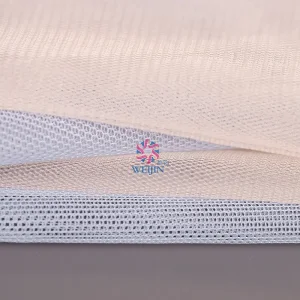
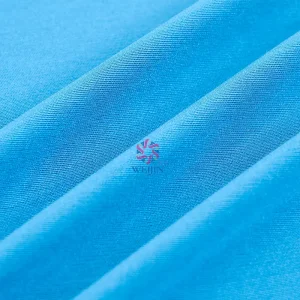
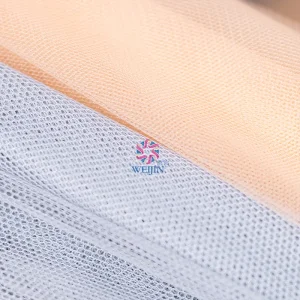
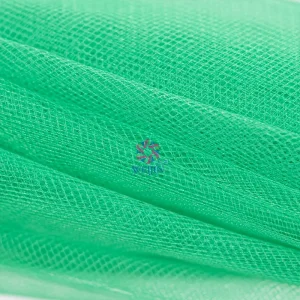
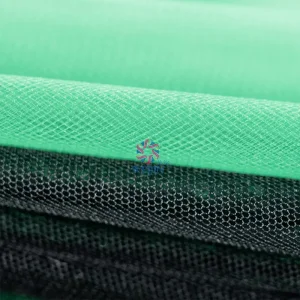
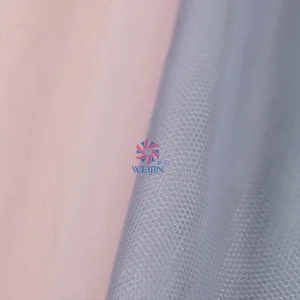
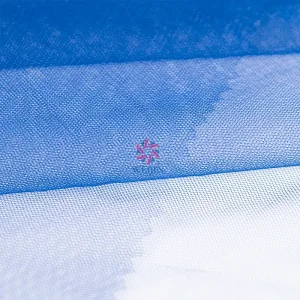
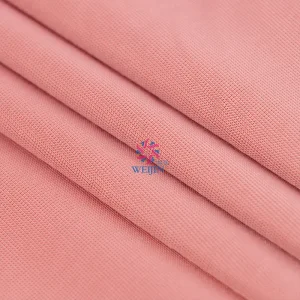
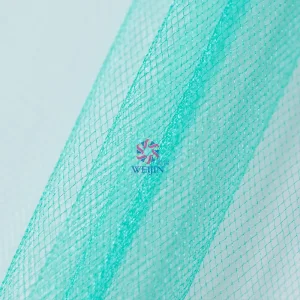
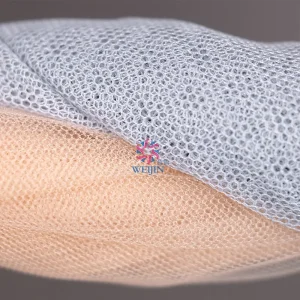
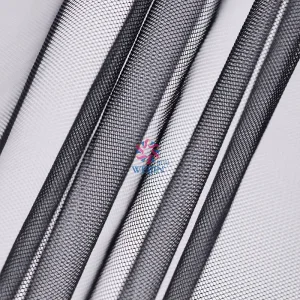
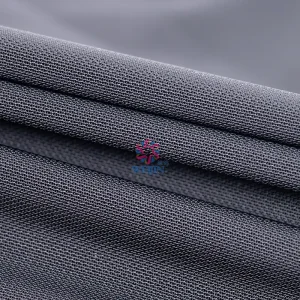
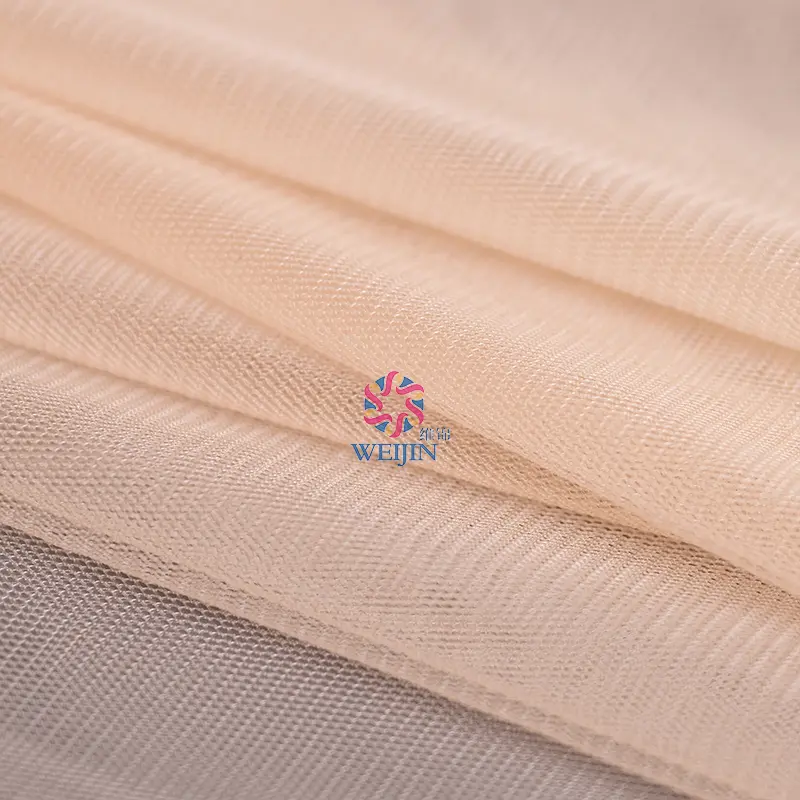
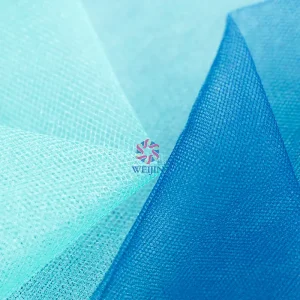
In the modern textile industry, "Breathable Mesh" has transcended from simple netting to a high-precision engineering field. As a senior SEO Growth Director, I analyze the market not just by volume, but by Information Gain. Buyers today are not looking for generic fabric; they are looking for specific denier counts (like 15D, 20D), weight-to-tensile strength ratios, and chemical-free, skin-friendly finishing processes.
The Changle region, where our production facilities are based, is the epicenter of the global warp knitting industry. The synergy here is unmatched: locally integrated supply chains, access to high-speed digital knitting technology, and a skilled workforce that understands the nuance of yarn tension. When you source from a factory in this cluster, you are tapping into decades of R&D that have optimized the porosity-to-durability balance in mesh fabrics.
We are seeing a massive shift towards Performance-Oriented Sustainability. Buyers are demanding materials that are not only breathable for sportswear or wedding gowns but are also produced with recycled polyamide/polyester and low-water-impact dyeing techniques. Our factories have integrated these ESG-compliant processes to ensure your supply chain remains robust and ethical.
Breathable mesh is no longer confined to the garment industry. Our whitepaper analysis reveals key growth sectors:
A: The Denier rating defines the thickness of the fiber. For bridal veils and high-end couture, 15D is preferred for its extreme lightness and transparency. For athletic gear or industrial use, higher deniers offer the necessary tensile strength.
A: Yes. With modern warp knitting machines, we can customize hole shapes (hexagonal, square, rhombic) and density to meet specific technical requirements or aesthetic demands for your brand.
A: We employ a multi-stage Quality Control (QC) process, including yarn inspection, loom-state tension testing, dyeing uniformity checks, and final roll inspection to meet international ISO standards.
 WEIJIN TEXTILE