Engineered for extreme durability, ventilation, and elasticity. Browse our high-demand structural mesh materials.
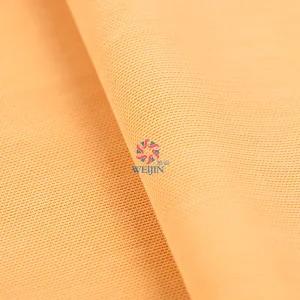
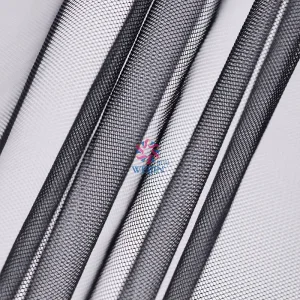
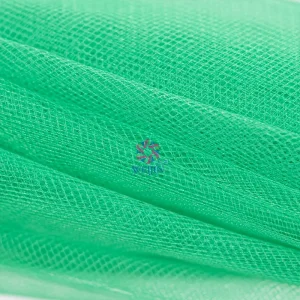
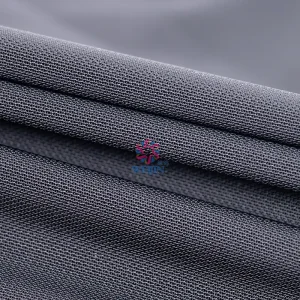
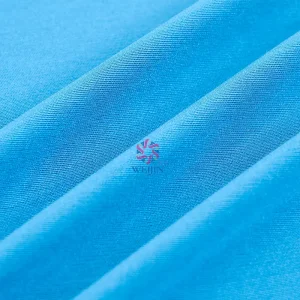
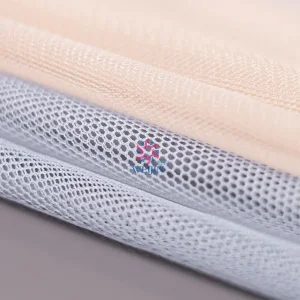
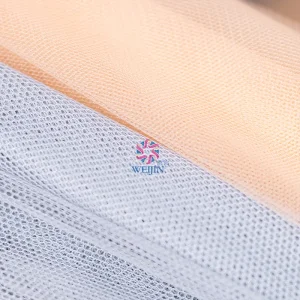
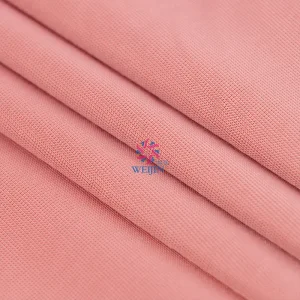
In the contemporary global manufacturing ecosystem, the demand for **durable mesh material** has transitioned from standard utilitarian textile production to sophisticated structural, medical, athletic, and aerospace applications. Mesh fabrics are no longer just lightweight covers; they are highly engineered polymers with precise open-weave structures, designed to withstand intense mechanical stress, environmental degradation, and chemical exposure while maintaining exceptional breathability and stretch recovery.
From **high-performance nylon-spandex activewear** that moves dynamically with the body to industrial-grade **ammonia filtration mesh** optimized for high-purity separation, the quality of the raw textile is a key determinant of final product reliability. Enterprises worldwide face the challenge of sourcing materials that satisfy both aesthetic expectations (such as the ultra-sheer luxury of 15D bridal tulle) and demanding mechanical standards (such as 200GSM load-bearing athletic mesh). Understanding the structural composition and manufacturing methodologies of these fabrics is essential for optimizing procurement strategies, reducing defect rates, and building product value.
Different global markets present distinct regulatory frameworks, environmental challenges, and performance expectations for durable mesh. Our production pipelines are tailored to address these regional and vertical needs:
Our structured production lines are optimized for specialized markets, ensuring consistent quality and performance across all mesh fabric classes.
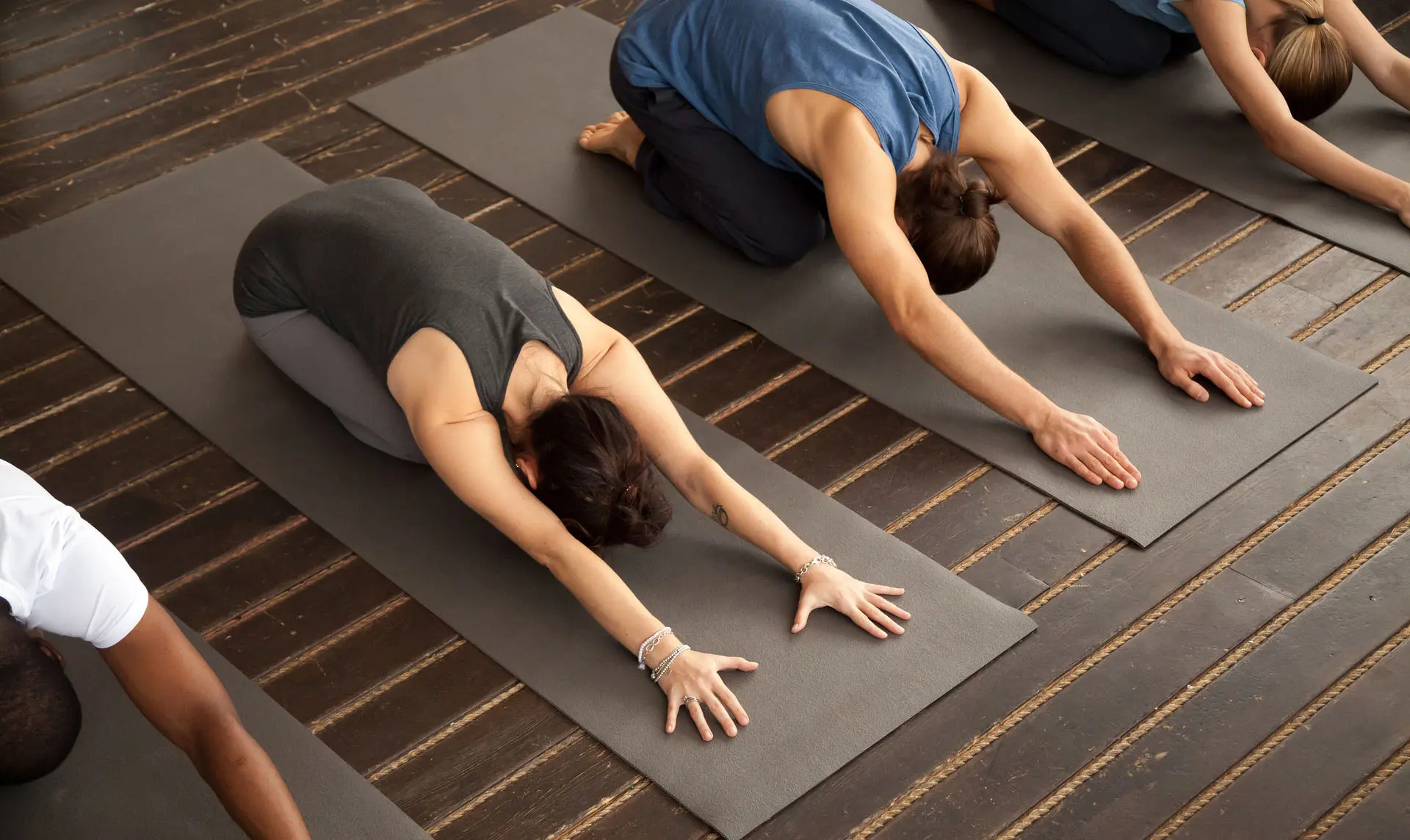
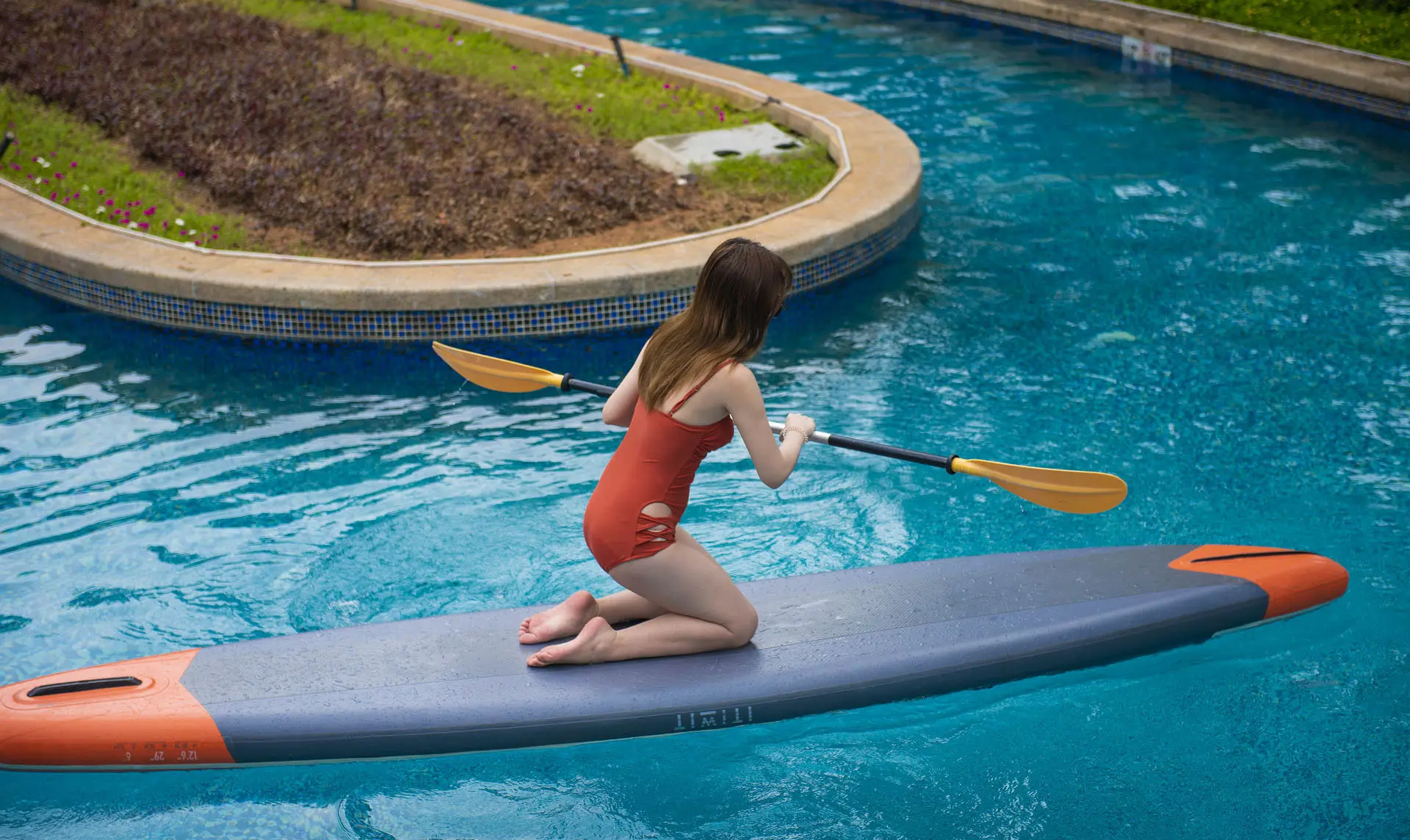
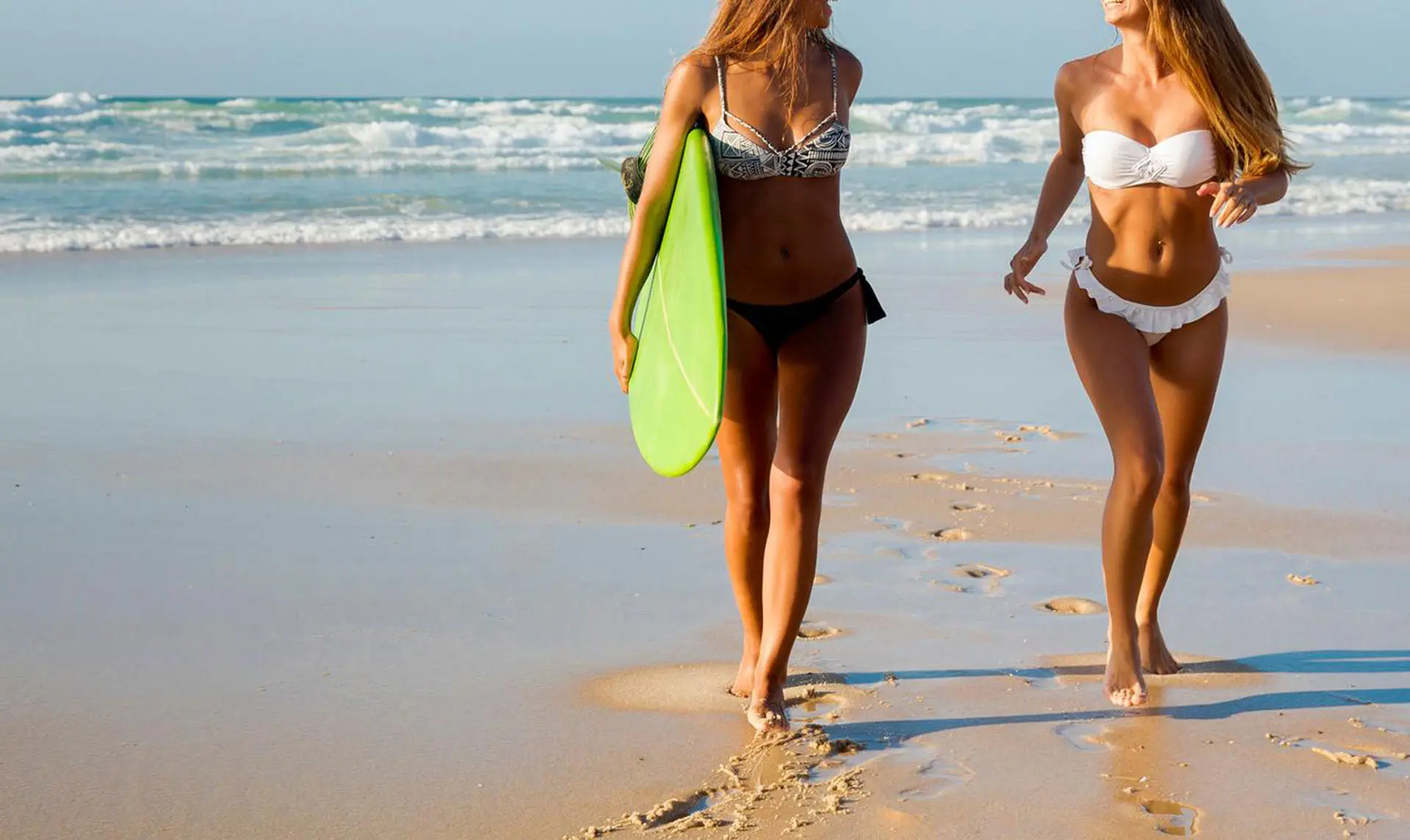
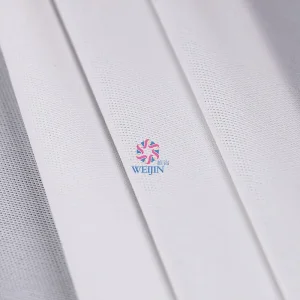
High-recovery nylon-spandex and polyester-ammonia blends designed for high-motion athletic apparel, shapewear, and premium swimwear.
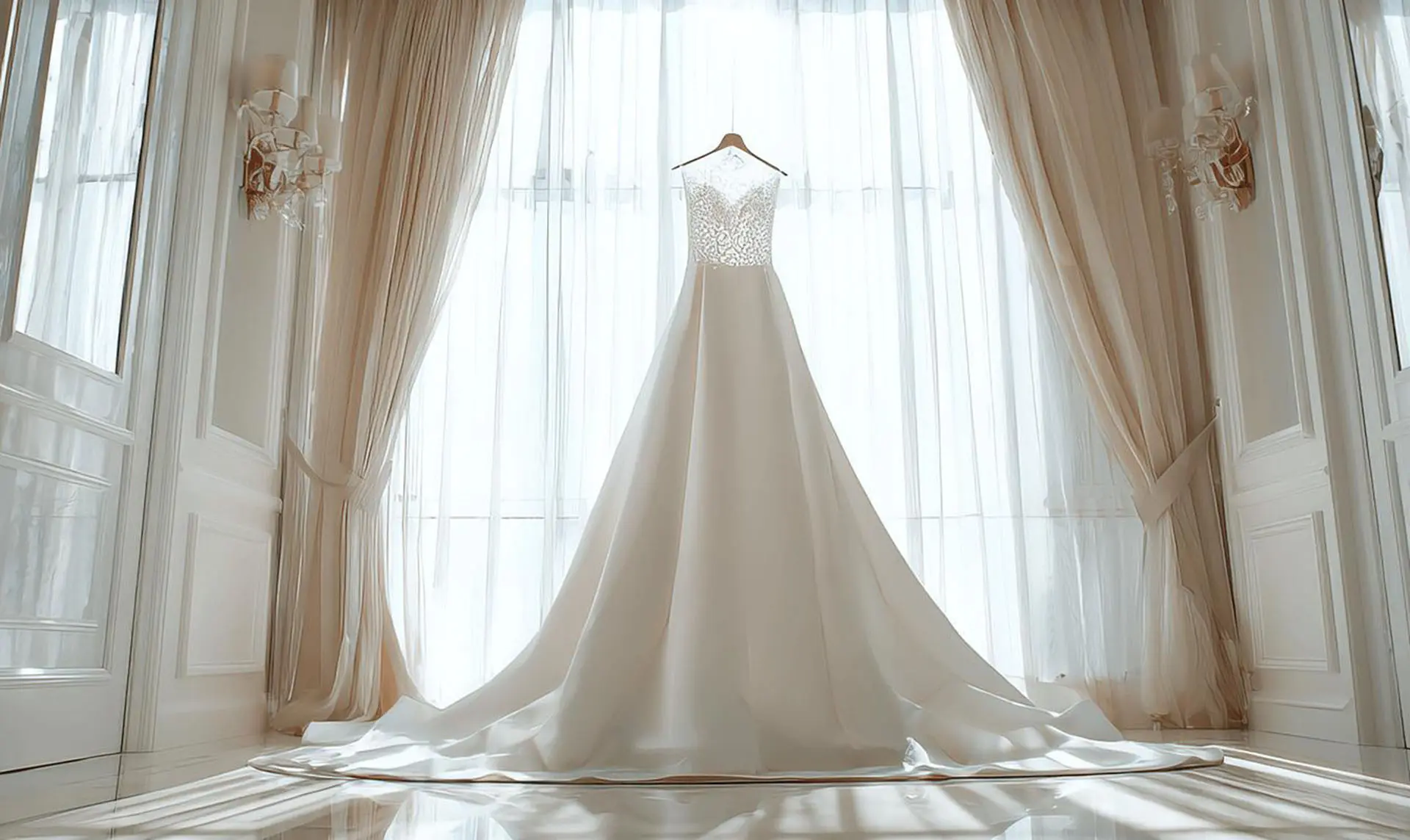
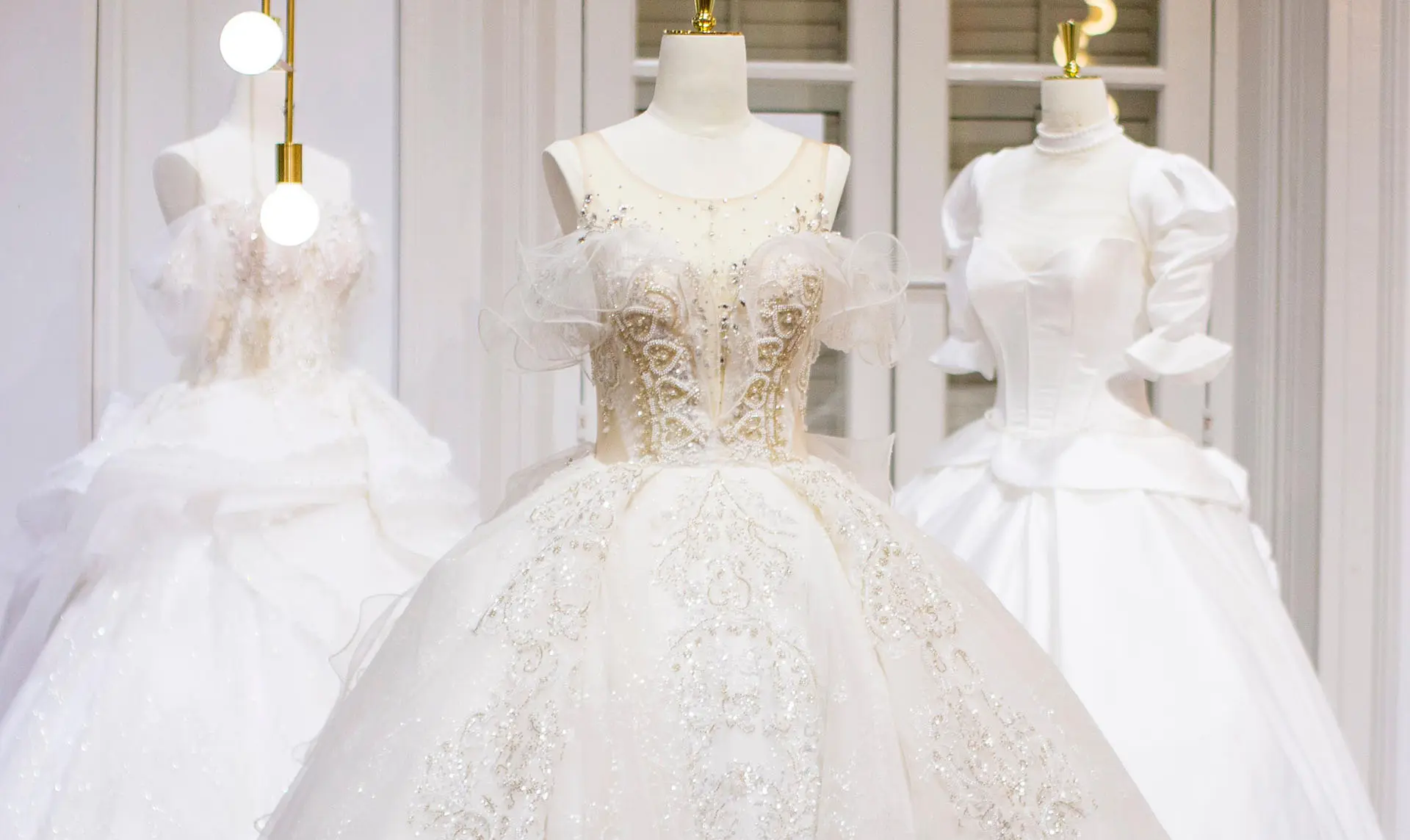
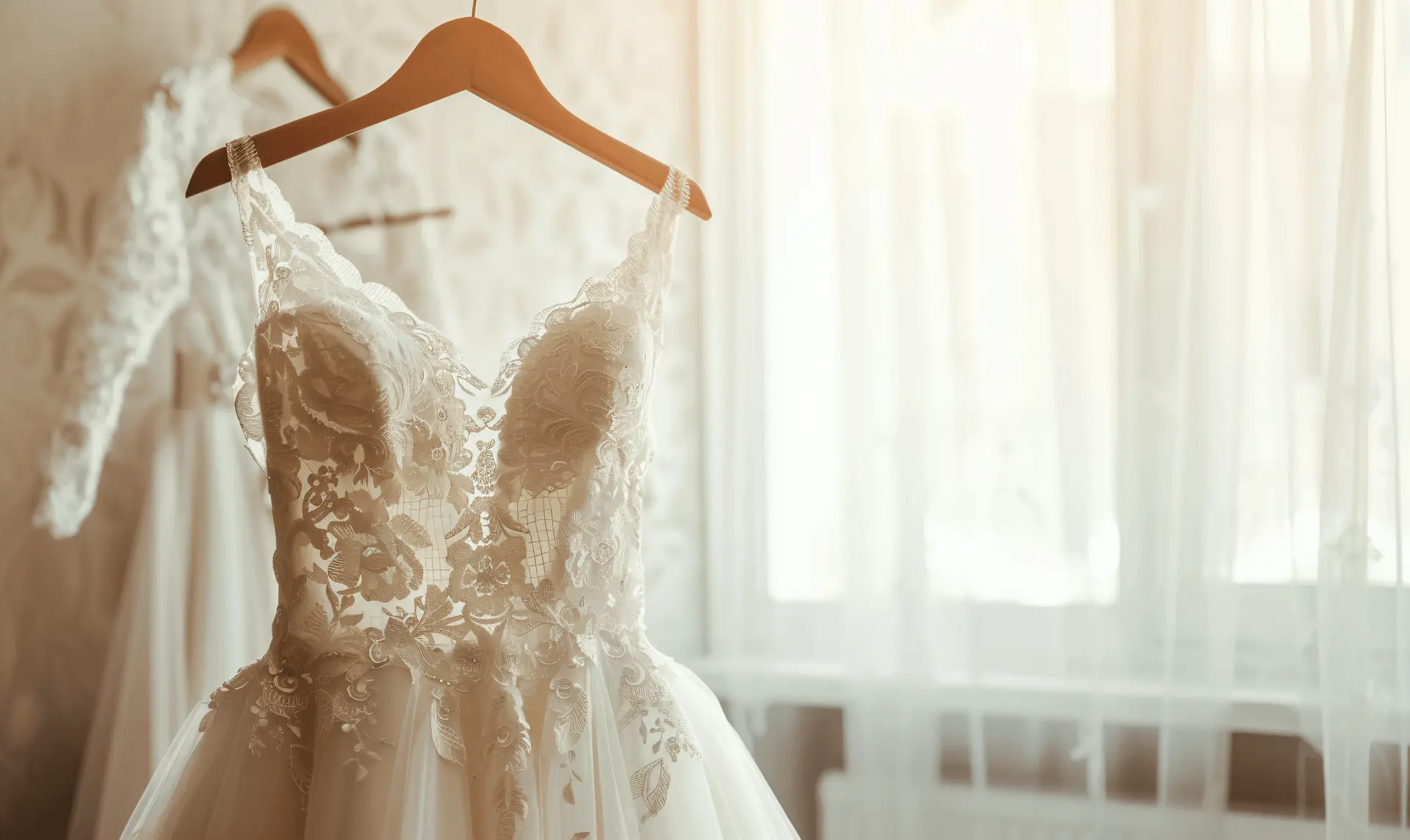
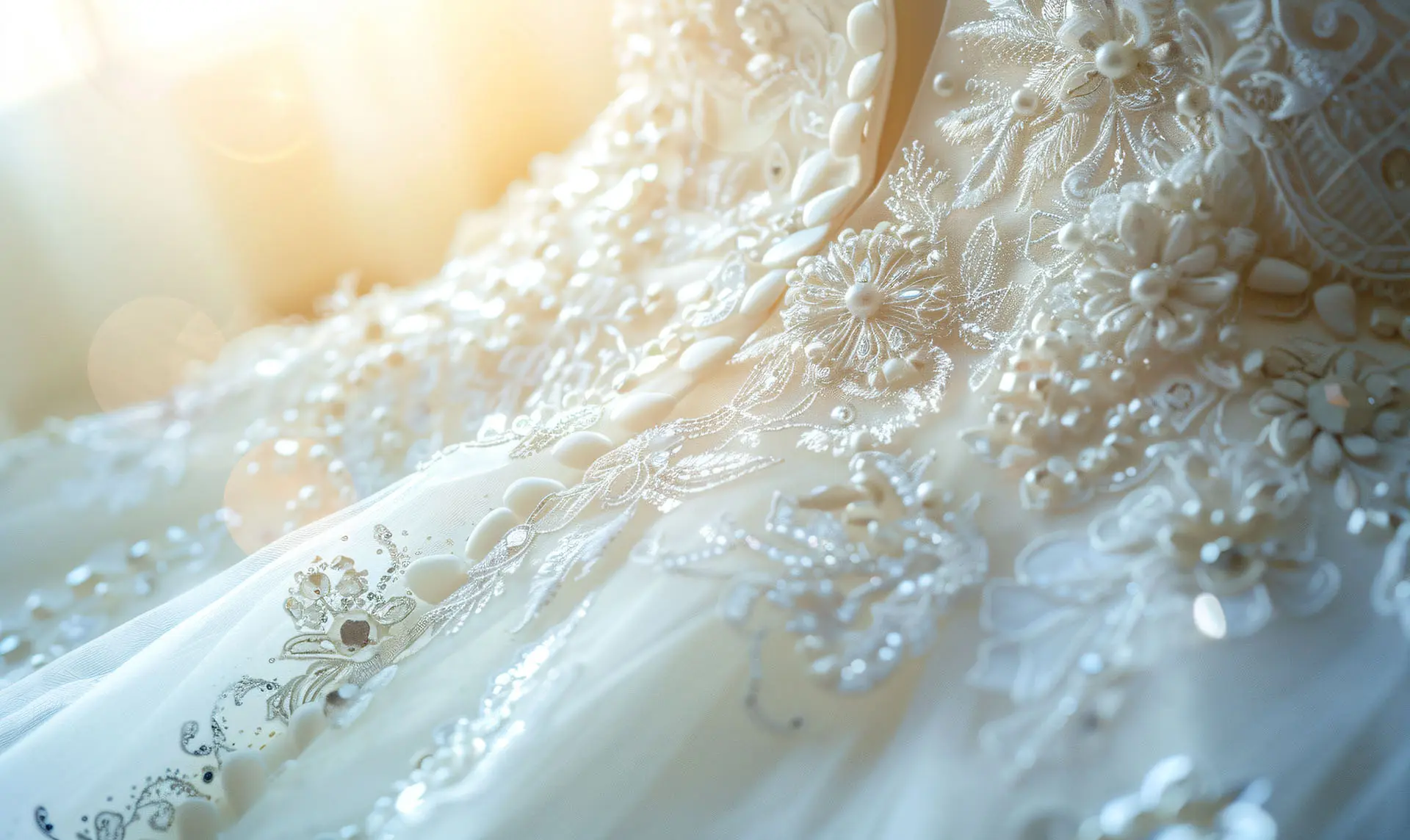
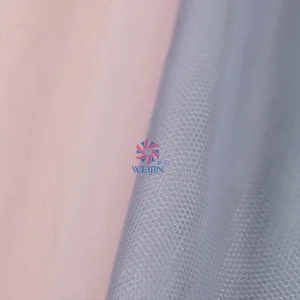
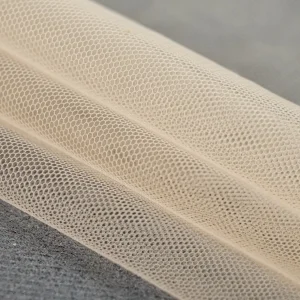
Delicate, high-clarity 15D, 17D, and 20D fabrics, including luminous tulle and Swiss dot netting, designed for luxury bridal gowns and evening wear.
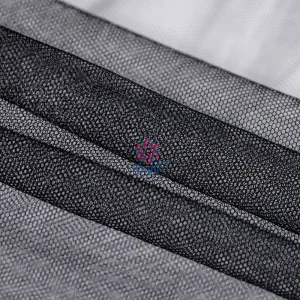
Heavy-duty, high-stability warp-knitted structures optimized for industrial filtration, reinforcement netting, and durable outdoor applications.
A pioneer in warp-knitting innovation, operating at the center of China's premium textile manufacturing hub.
Fujian Weijin Textile Technology Co., Ltd. is located in Changle Jinfeng, a renowned warp-knitting industrial cluster in China. Benefiting from a highly connected location, our facility is situated just 10 kilometers from Fuzhou Changle International Airport and 20 kilometers from Fuzhou Mawei Port. This logistical placement ensures rapid transport corridors for raw materials and efficient export channels for international shipping.
We specialize in the research, development, and mass production of high-performance mesh fabrics. Utilizing advanced German warp-knitting machinery, our manufacturing covers elastic athletic meshes, embroidered dress fabrics, bridal tulle, and specialized industrial nets. Our integrated production model ensures consistent control over yarn quality, knitting structure, dye consistency, and finishing treatments, satisfying strict global quality standards.
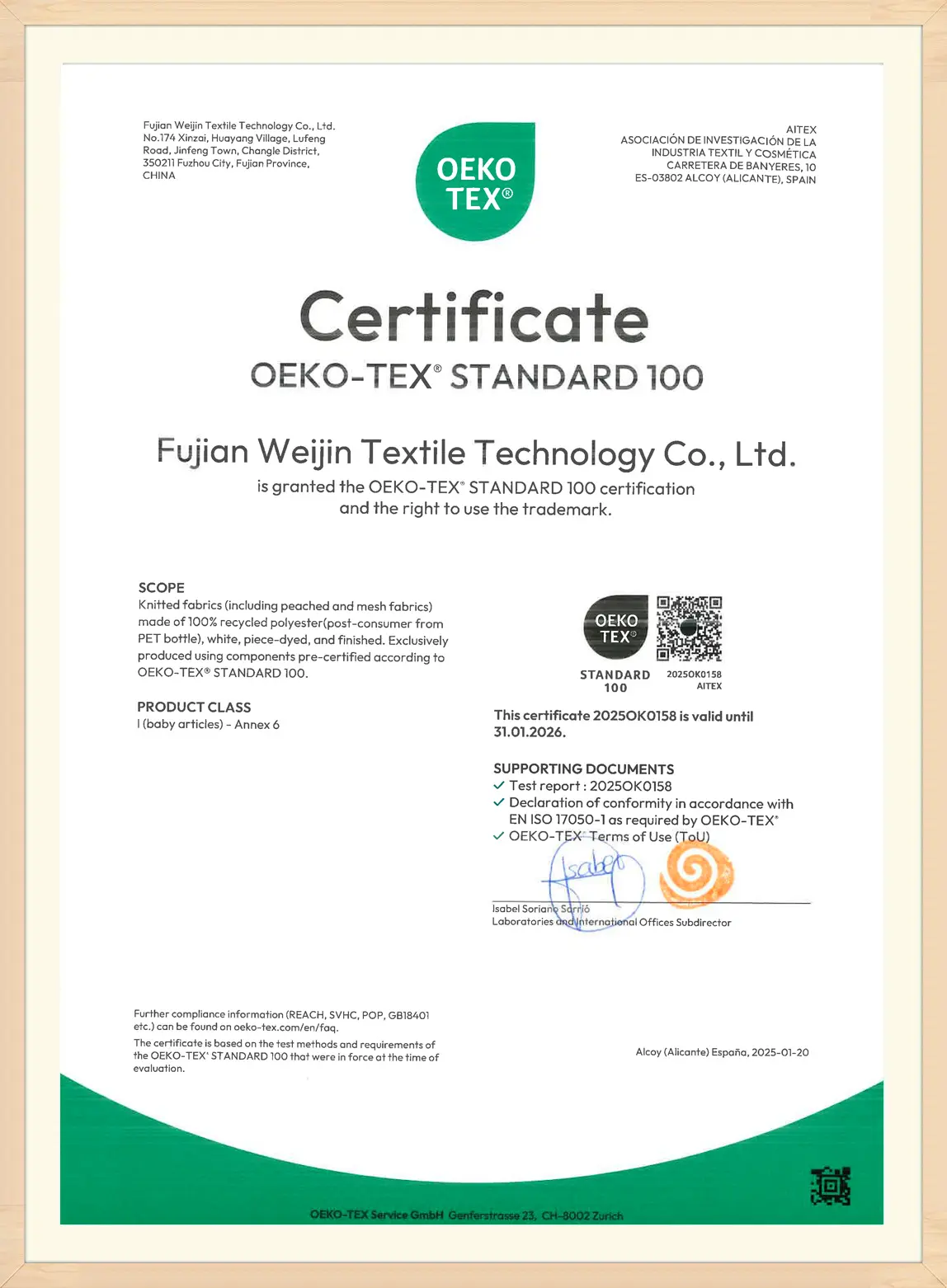
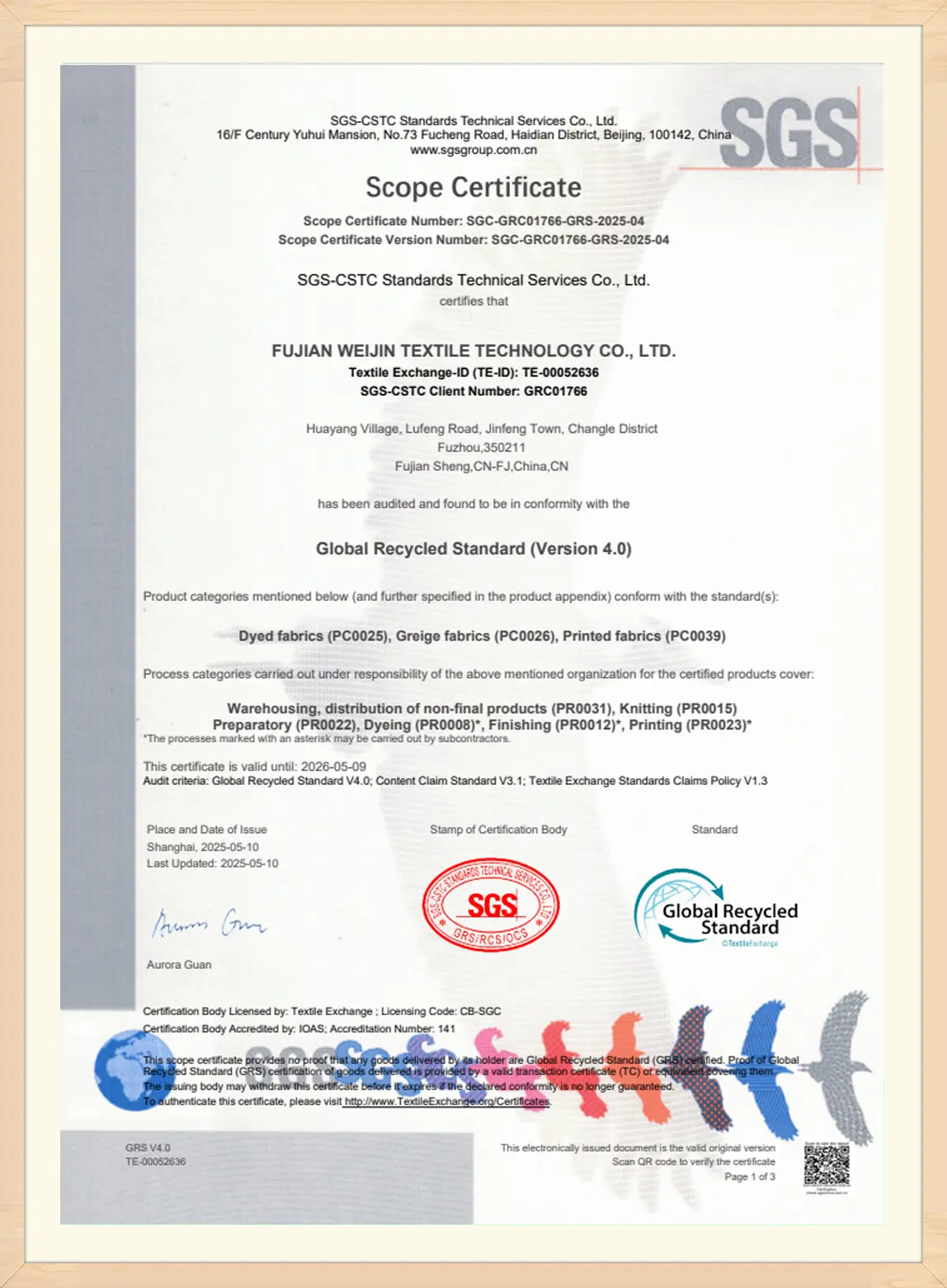
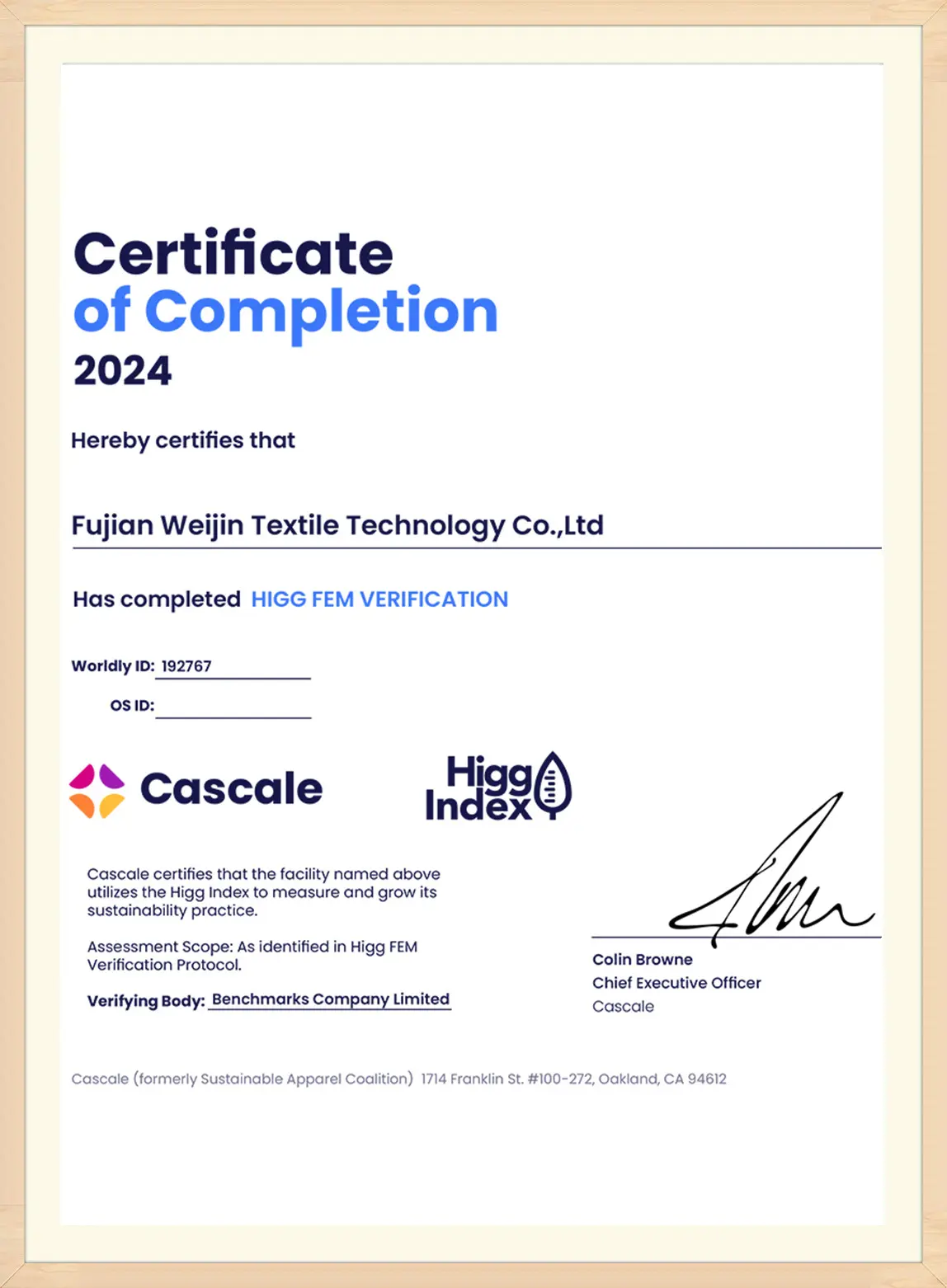
The manufacturing cluster of Changle Jinfeng represents a highly integrated textile supply chain. This localized ecosystem coordinates raw material purification, high-precision warp knitting, advanced dyeing, chemical finishing, and international logistics. This integration minimizes lead times, stabilizes raw material costs, and allows for rapid customization based on client feedback.
Our facility leverages this regional network to mitigate supply chain disruptions. By sourcing polymer yarns from localized chemical plants and coordinating with local finishing facilities, we reduce production bottlenecks. This proximity allows us to scale production efficiently and offer competitive wholesale pricing without compromising on material durability or dimensional stability.
The technical roadmap for durable mesh fabrics focuses on sustainability, smart integration, and structural optimization:
Next-generation mesh fabrics will incorporate moisture-responsive fibers that dynamically change their open-area ratio in response to humidity and temperature. This advancement will provide smart thermal regulation for outdoor, athletic, and protective gear.
Explore our state-of-the-art weaving floor, design facility, and material archives virtually.

Watch our warp knitting looms and quality control systems in action.
We mainly produce all kinds of high-end mesh fabric products.
Precision blending of nylon and spandex for sport-performance fabrics.
Ensuring colorfastness and elastic recovery under load conditions.
Creating delicate patterns on 15D, 17D, and 20D mesh backings.
Technical articles, fiber identification guides, and care instructions compiled by our R&D engineers.
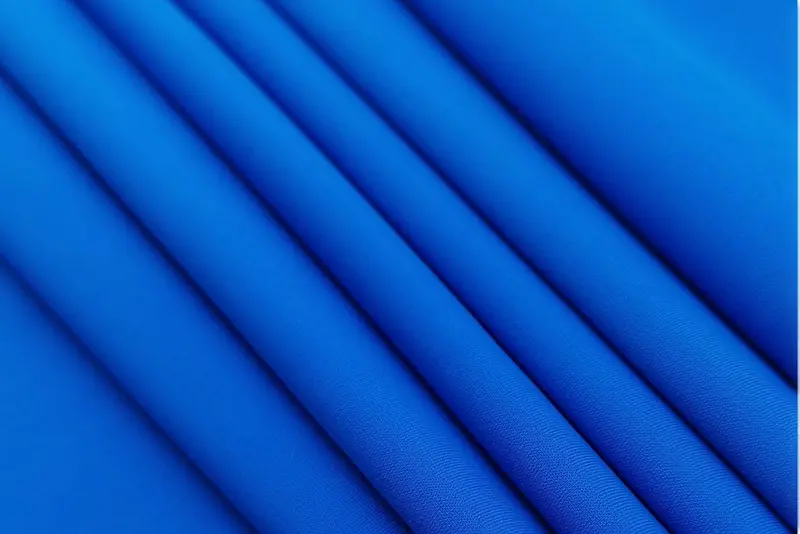
Both nylon and polyester are common synthetic fabrics used in warp knitting, but they require different finishing treatments. Nylon offers superior stretch, soft hand-feel, and elasticity, whereas polyester provides exceptional UV stability and resistance to acid-based solutions.
LEARN MORE ➔
While lace and tulle provide romance, satin wedding fabric offers luxury and structure. Learn how to combine satin bases with lightweight embroidered mesh overlays to design dimensional, high-end bridal silhouettes.
LEARN MORE ➔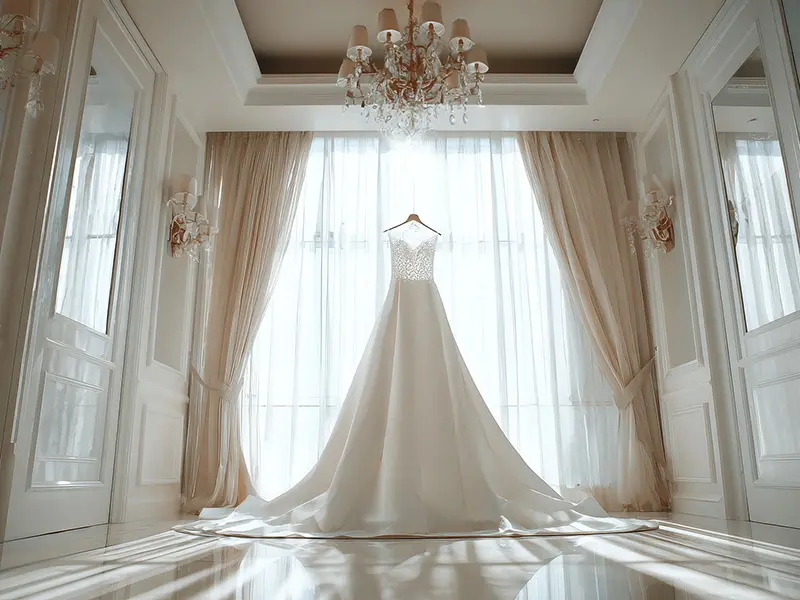
Lace remains a core design element in the bridal industry. We analyze the differences between embroidered mesh lace, raschel lace, and classic Chantilly weaves, focusing on how mesh backing weight determines final drape quality.
LEARN MORE ➔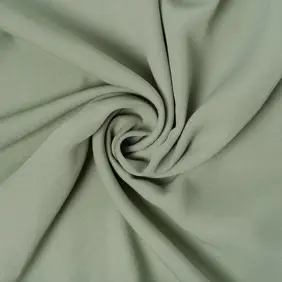
Polyester fiber is a synthetic polymer obtained by spinning melt-extruded ester compounds. This technical breakdown reviews its molecular alignment, tear strength, wrinkle recovery, and suitability for industrial-grade meshes.
LEARN MORE ➔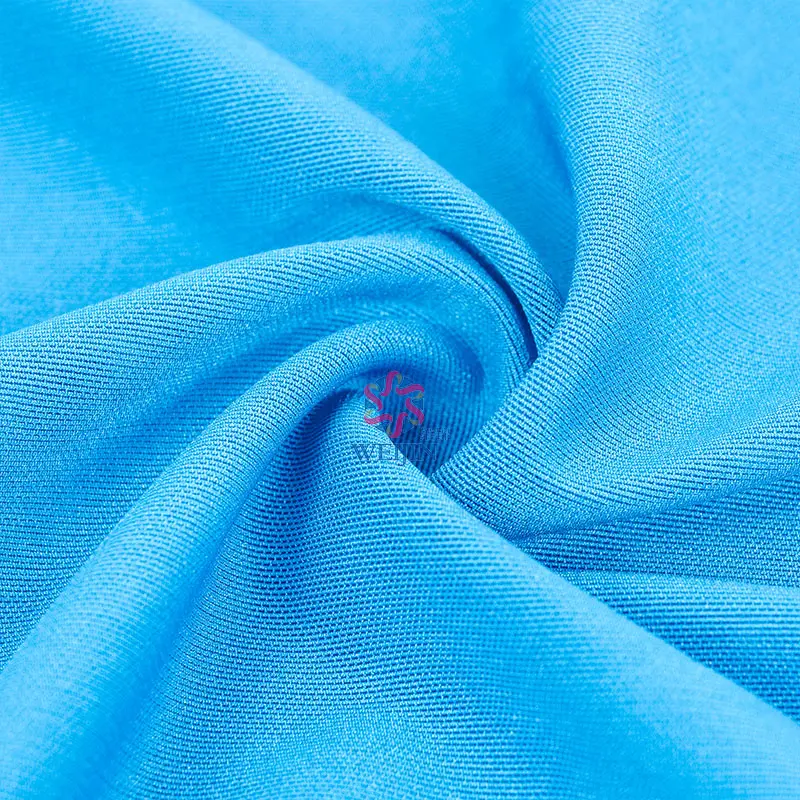
Unlike woven jacquards, printed fabrics receive pigments after the base textile is woven. We detail the print clarity, color migration risks, and pattern longevity on open-structure nylon-spandex and polyester mesh backings.
LEARN MORE ➔
Delicate sheer tulle, embroidered mesh, and satin require careful handling to prevent yellowing, yarn slippage, and tearing. This article covers professional dry-cleaning protocols, moisture-controlled storage, and tension preservation.
LEARN MORE ➔Technical answers to key sourcing, customization, and quality control questions.
Mesh performance is primarily defined by the fabric weight (GSM), yarn denier (D), and the ratio of polyurethane (Spandex) to polyamide (Nylon). A higher GSM (e.g., 200GSM) coupled with an optimal elastic blend (e.g., 91.2% Nylon / 8.8% Spandex) yields excellent tensile strength and recovery, making it suitable for load-bearing activewear and compression lining.
We employ computer-controlled spectrophotometers and automated dye-dispensing systems. Each batch undergoes colorfastness assessments under standard illuminants (D65, TL84) and mechanical tension to ensure consistent color across large orders.
Yes, our facility utilizes modern German warp-knitting machines that support customizable mesh geometries. We adjust parameters such as stitch density, pore shape, and filament thickness to meet specific flow-rate, bursting strength, and chemical resistance requirements, such as our 280G Ammonia Filtration Mesh.
Our standard Minimum Order Quantity (MOQ) varies based on fabric complexity and dye specifications (typically 500-1000 meters per color). Our location near Fuzhou Mawei Port (20km) and Changle Airport (10km) enables us to offer typical production lead times of 15 to 25 days following sample confirmation.
Yes, our sheer fabrics are warp-knitted rather than woven, which prevents running and yarn slippage. By using high-tenacity monofilament nylon, we produce ultra-thin, lightweight tulles (as low as 9GSM) that retain their shape and structural integrity under tension and during embroidery.
Explore our specialized nylon and polyester mesh grades, optimized for diverse commercial applications.
Request detailed product catalogs, material data sheets, production samples, and wholesale pricing. Contact our sales and engineering support teams directly.
Request Sourcing Solutions WEIJIN TEXTILE