Engineered structural tulles, multi-filament nets, and performance elastomeric mesh grades direct from the factory floor.
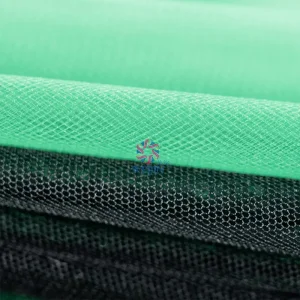
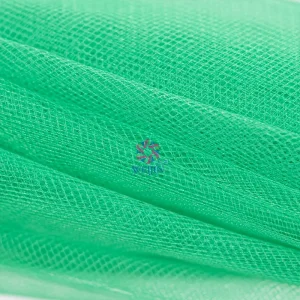
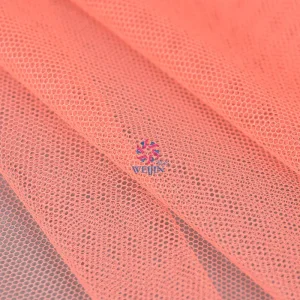
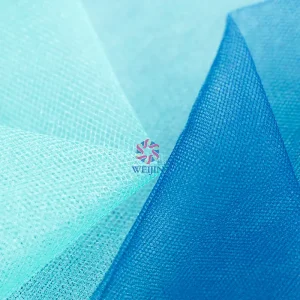
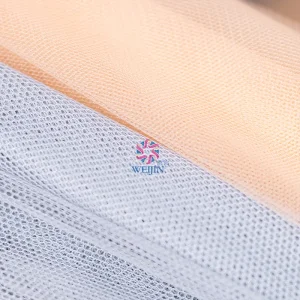
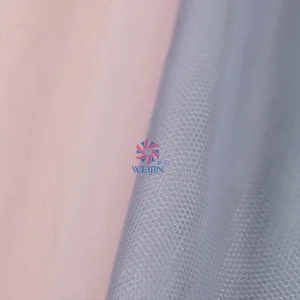
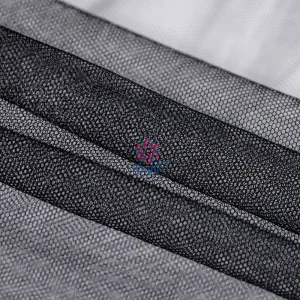
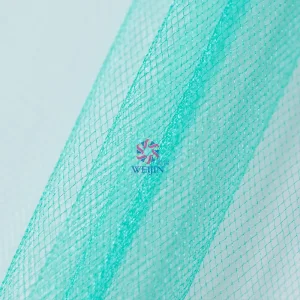
The contemporary textile supply chain relies heavily on high-precision warp knitting technologies to satisfy the requirements of high-fashion couture, sportswear, and technical medical applications. As leading wholesale fashion mesh fabric manufacturers, Fujian Weijin Textile Technology Co., Ltd. works at the intersection of material science and textile aesthetics. Modern production involves complex processes designed to handle polymers like Nylon 6, Nylon 6,6, and high-tenacity Polyester to create meshes of varying weights and densities.
Global demand is increasingly driven by requirements for multi-directional stretch, structural integrity, and custom denier profiles (ranging from ultra-fine 15D tulle to durable 200GSM activewear meshes). Advanced manufacturing plants operate high-speed warp knitting machinery that ensures uniform loop distribution, preventing structural run-away and tearing under tension. This consistency is essential for high-end fashion design houses that require reliable materials for complex bridal tulle, intricate embroidery bases, and lightweight swimsuits.
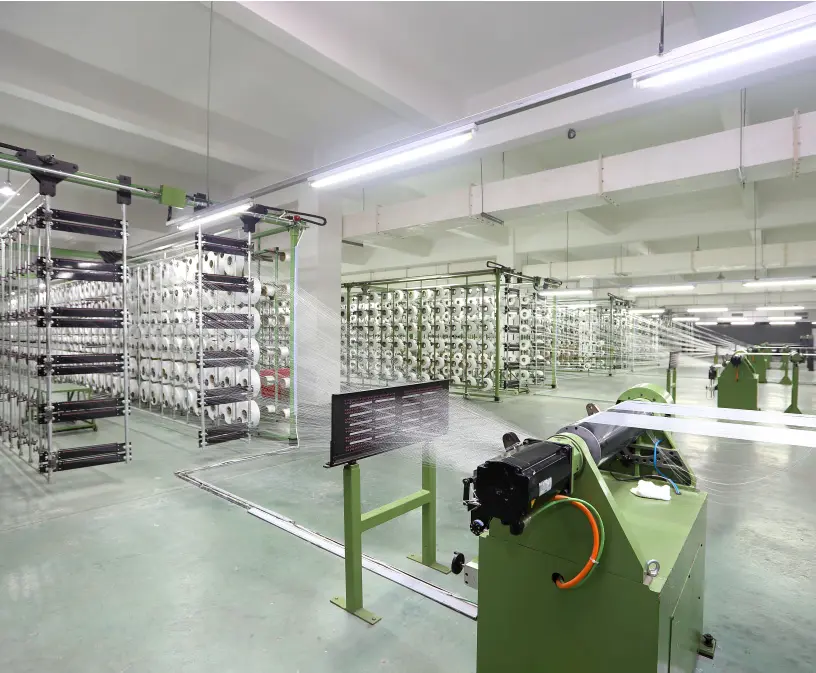
Warp knitting styles vary to meet specific requirements for stretch, transparency, and weight across fashion sub-sectors.
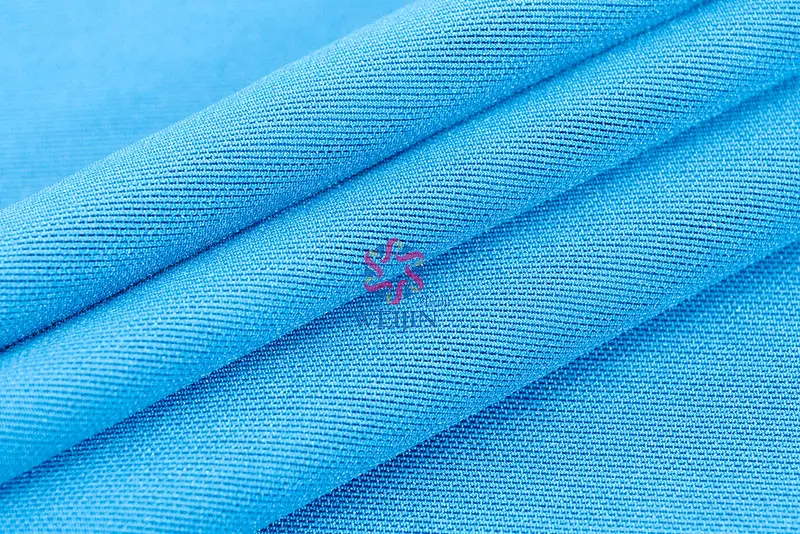
High-elongation structures containing Spandex/Elastane (typically 8% to 15%) blended with Nylon. Perfect for form-fitting garments, activewear lining, and compression panels.
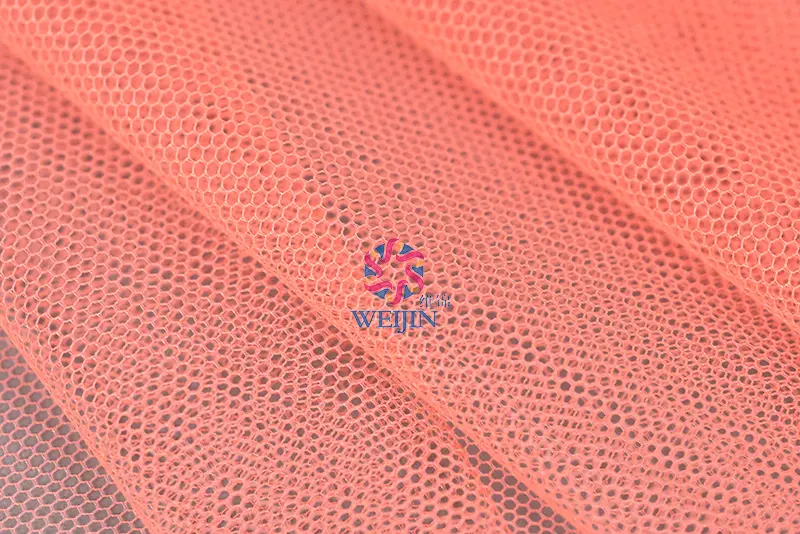
Highly stable base fabrics engineered to withstand the mechanical stress of embroidery needles. Essential for bridal wear and haute couture embellishment.
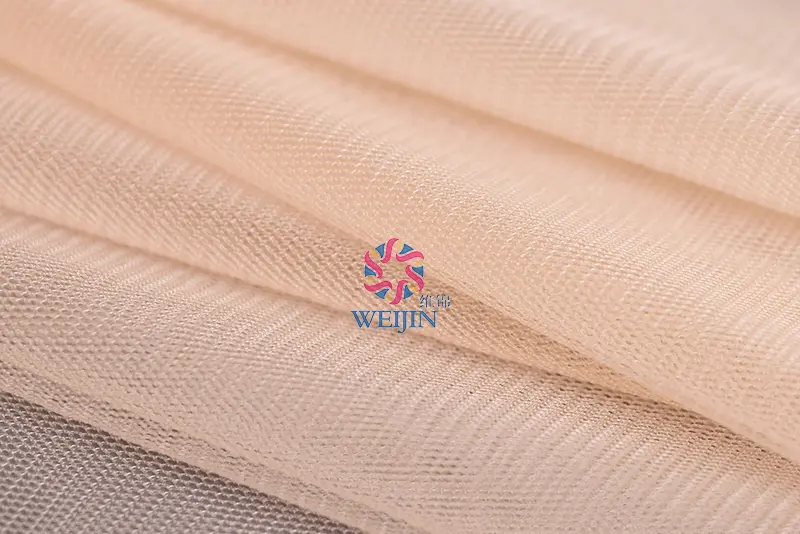
Fine, lightweight netting constructed from polyamide fibers, offering a delicate sheer look with structured stiffness for tutus, veils, and gowns.
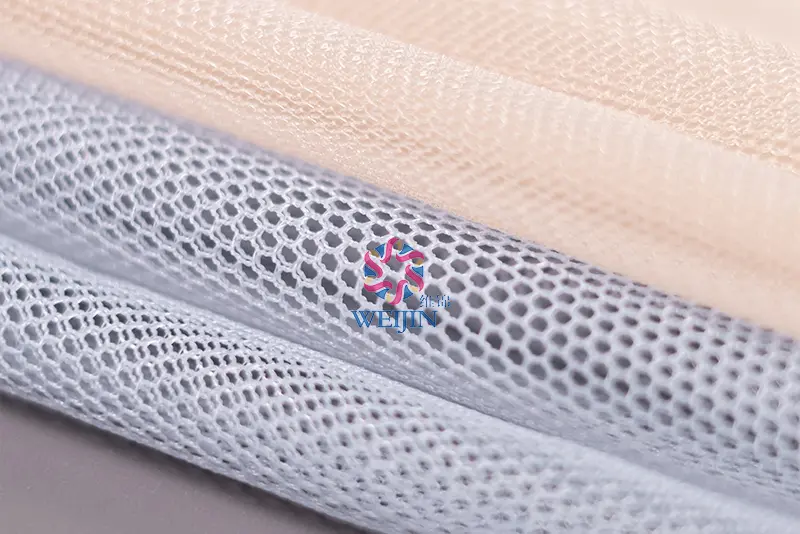
Illusion bridal mesh using ultra-fine 15D/17D Nylon 6,6 yarns, creating a subtle sheen and skin-like transparency for wedding dresses.
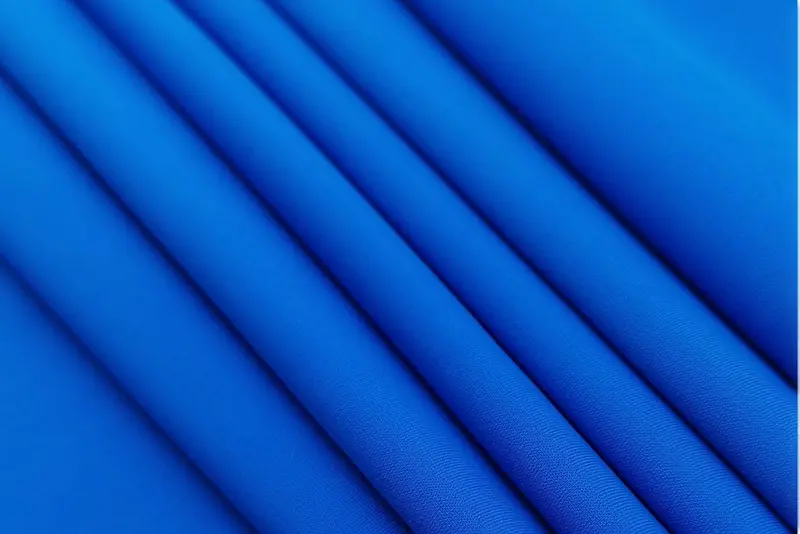
Chlorine-resistant and UV-protective warp-knit mesh fabrics designed to maintain structural integrity in wet, salty, and chlorinated environments.
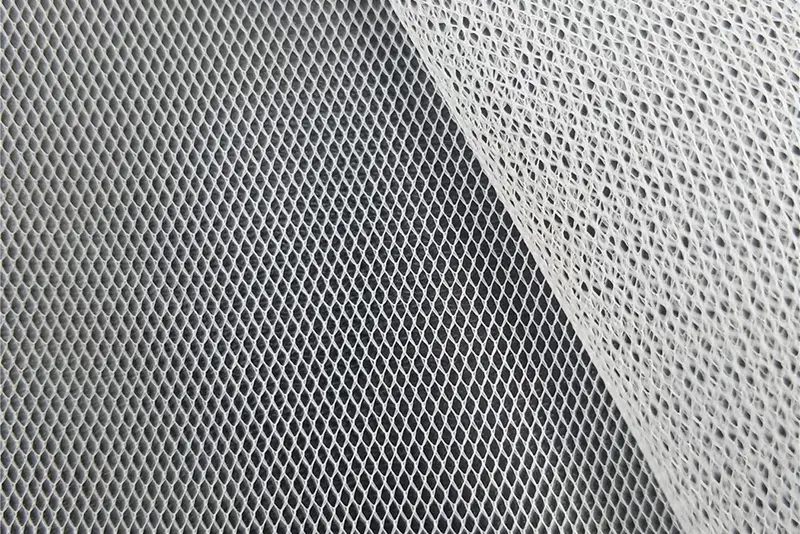
Coarser denier mesh structures engineered for high stiffness and shape retention, used in millinery, architectural underskirts, and support panels.
Located in Changle Jinfeng, China's premier warp knitting hub, Fujian Weijin Textile Technology Co., Ltd. enjoys a prime geographic location just 10 kilometers from Fuzhou Changle International Airport and 20 kilometers from Fuzhou Mawei Port. This allows for efficient logistics and fast delivery to international fashion houses and industrial clients.
Operating with modern warp knitting technology, our production facility produces high-grade mesh fabrics. We maintain strict control over our manufacturing processes, including polymer sourcing, tension control, temperature regulation during setting, and dyeing quality. We offer reliable manufacturing services for sportswear brands, couture designers, bridal wear labels, and medical device suppliers worldwide.

The global warp knitting industry is undergoing a shift driven by technical innovation, environmental regulations, and changing consumer preferences. Future developments in fashion mesh focus on three main areas: Sustainability, Performance Enhancement, and Intelligent Manufacturing.
With environmental concerns mounting, top-tier manufacturers are moving away from traditional petrochemical polymers. Recycled Nylon 6 (derived from discarded fishing nets and ocean plastic) and Recycled Polyester (rPET) are replacing virgin materials. These materials are certified under the Global Recycled Standard (GRS) to ensure supply chain traceability and clean chemical processing.
Traditional dye processes consume significant water and energy. The implementation of supercritical carbon dioxide (scCO2) fluid dyeing—a waterless technique—represents a major step forward. This method eliminates wastewater discharge and reduces energy consumption by up to 50% while achieving excellent colorfastness on nylon mesh.
Using advanced camera systems and machine learning algorithms on the loom helps identify anomalies, missed loops, and yarn breakages in real time. This automated inspection system reduces fabric defects to less than 0.5 per 100 meters, ensuring consistent high quality for wholesale buyers.
Our commitment to international quality, environmental management, and labor standards.

Standardized processes for product design and production consistency.
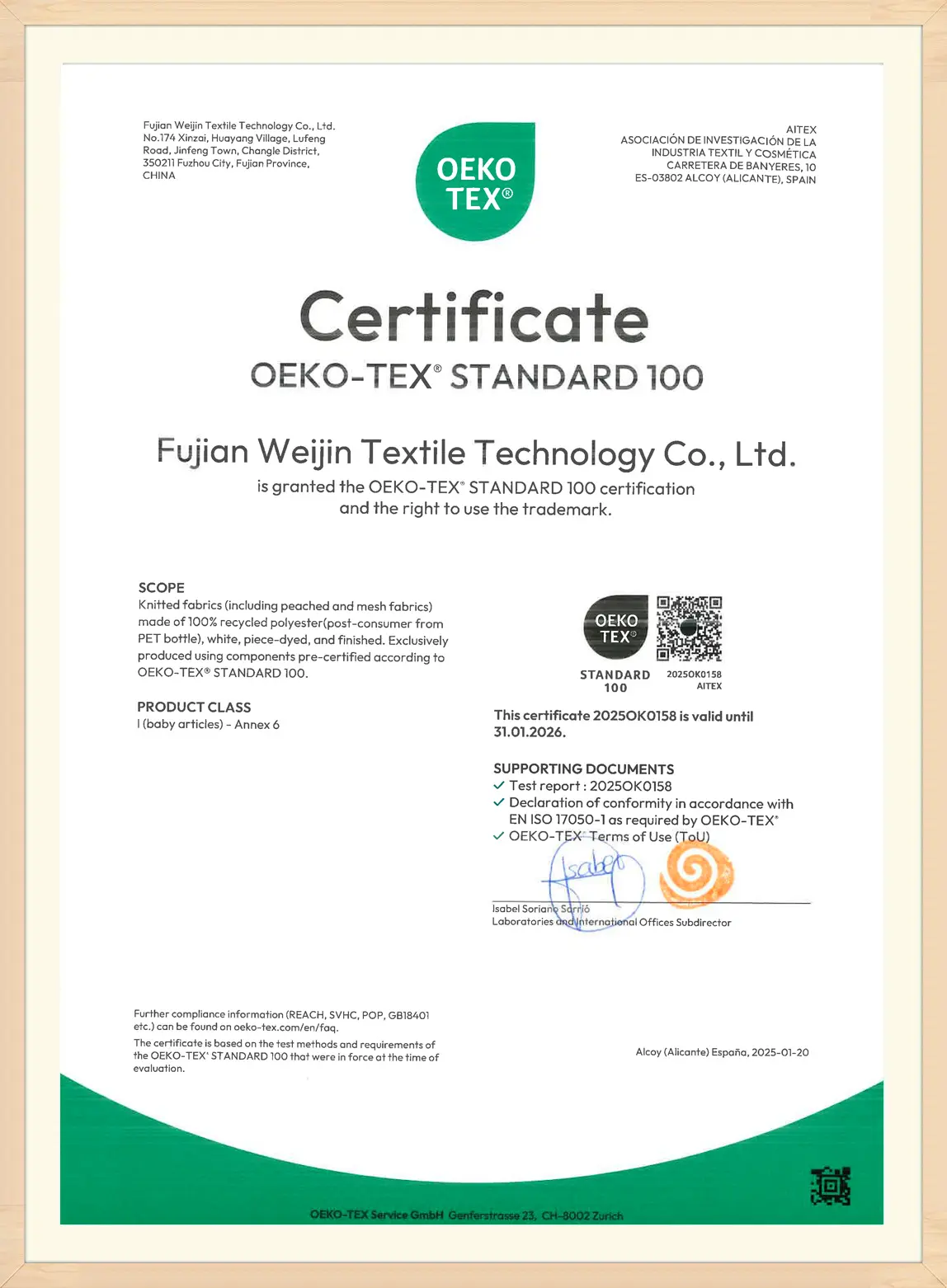
Certified safe from harmful chemicals for skin-contact garments.
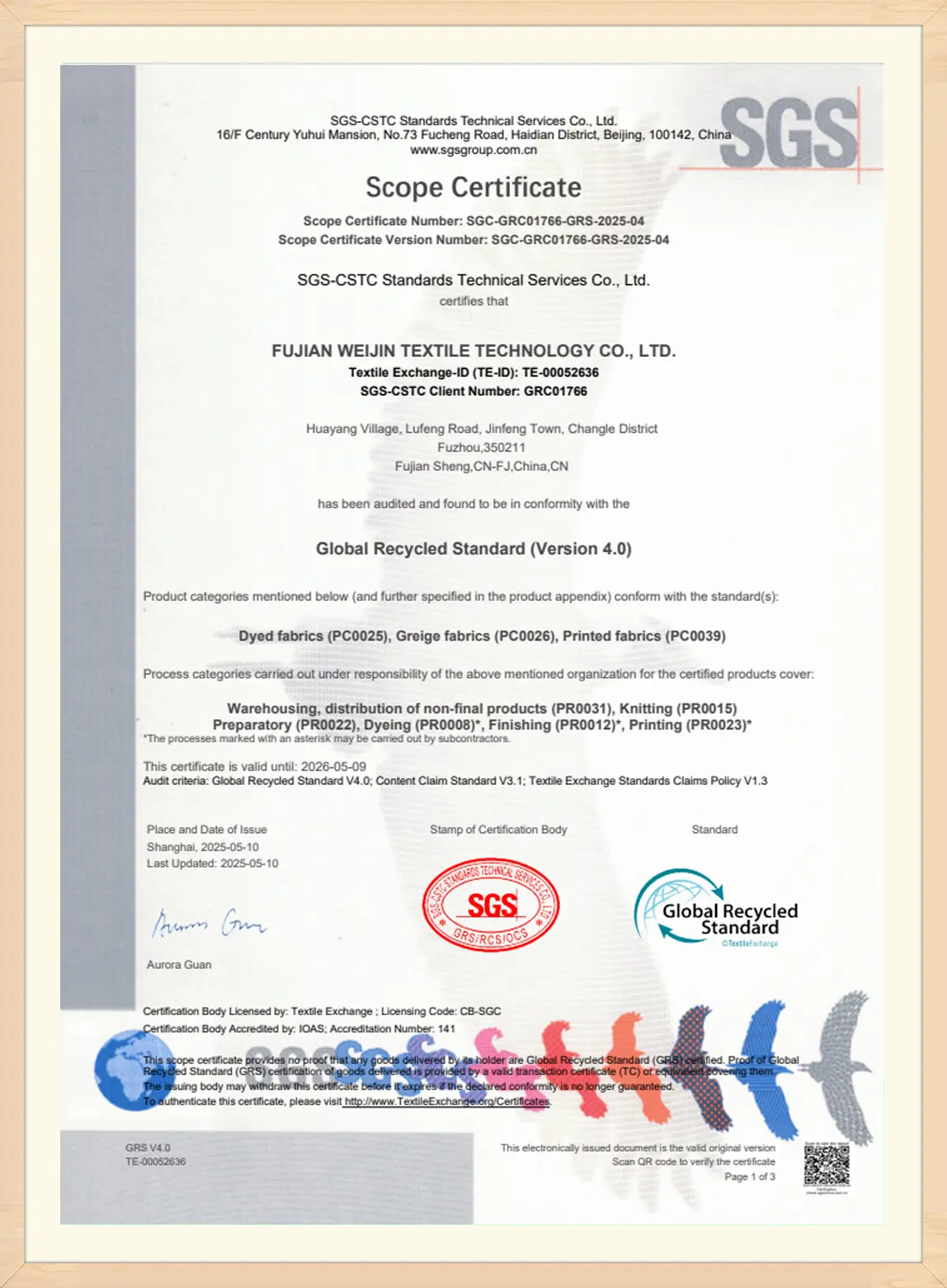
Verifiable post-consumer recycled polyamide and polyester content.
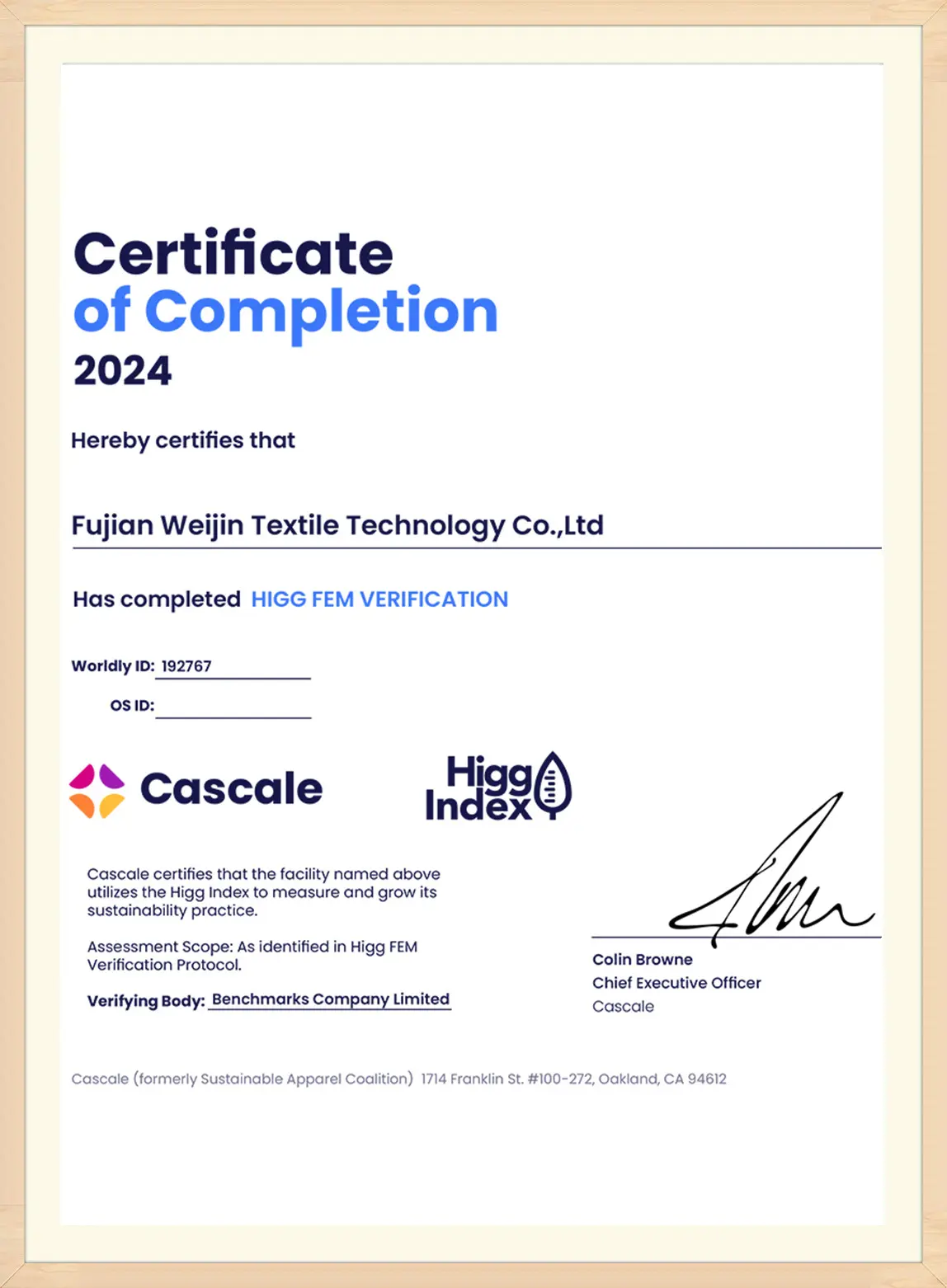
Independent verification of tensile strength, stretch recovery, and colorfastness.
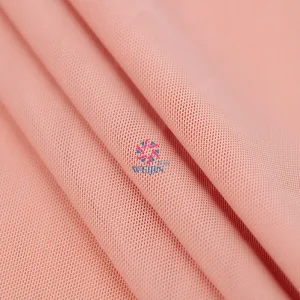
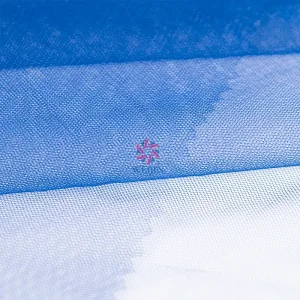
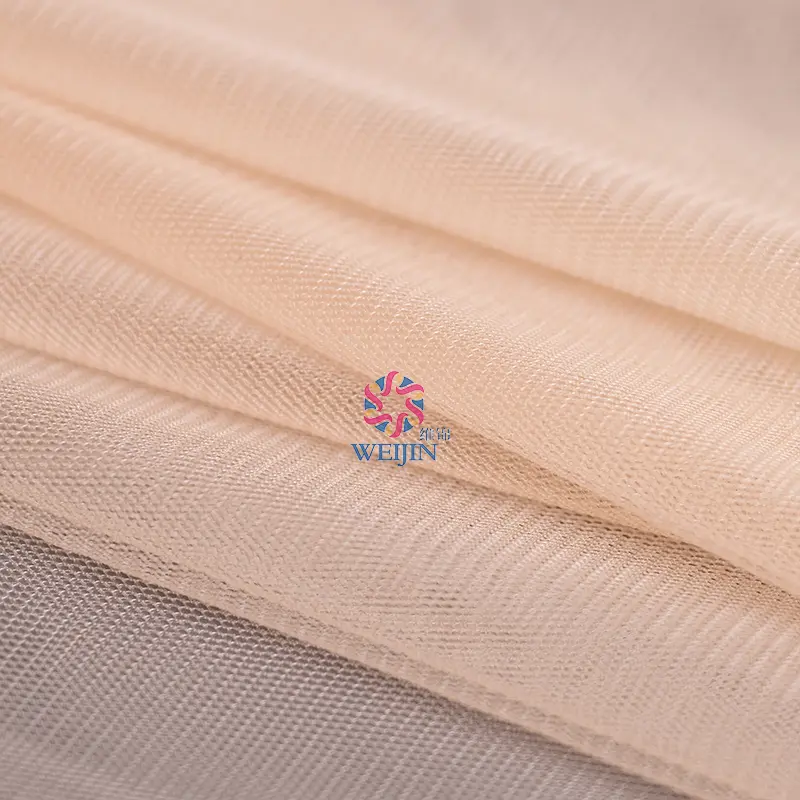
Explore our latest warp-knit collection, including sheer nylon netting and custom stretch mesh, in our digital gallery.
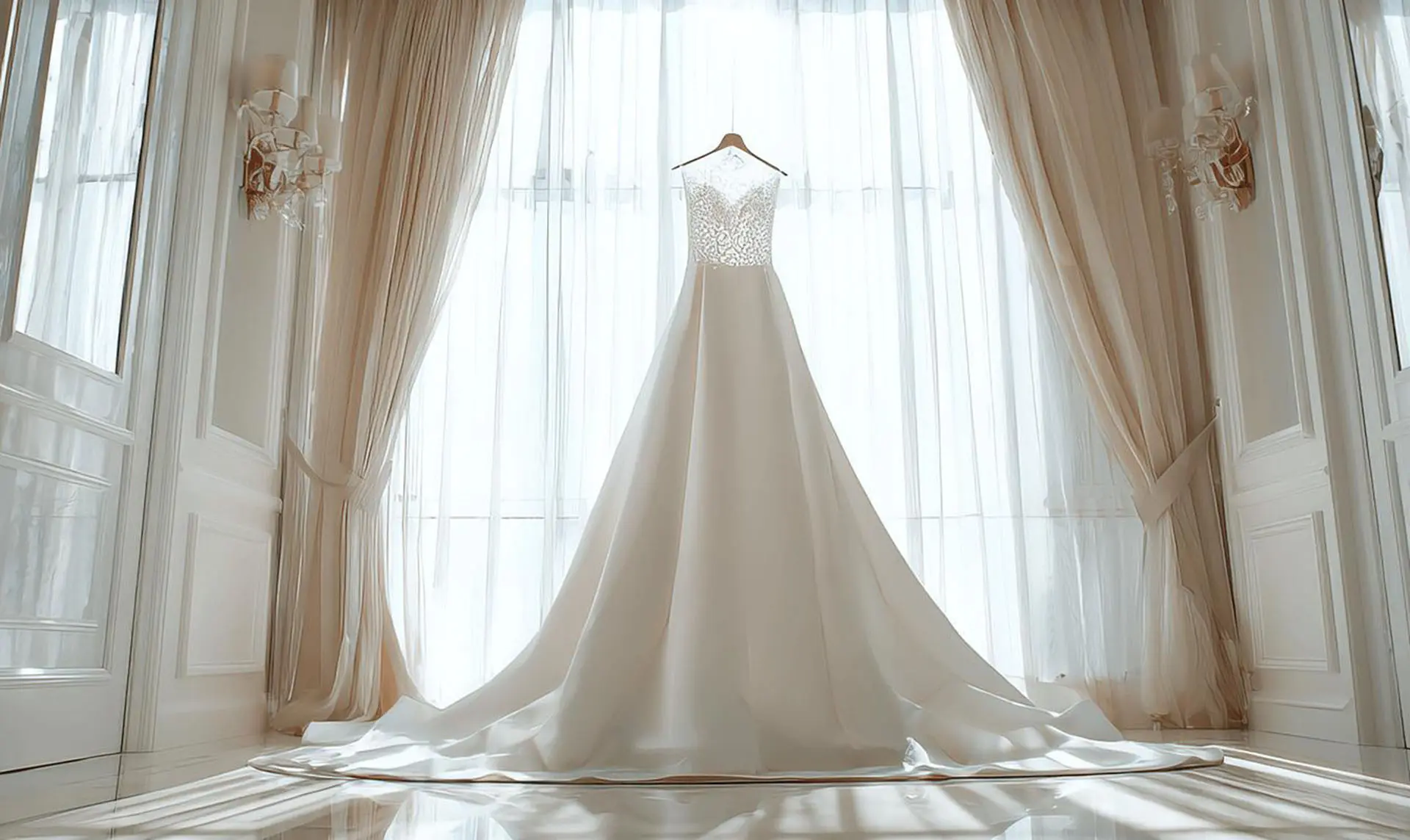
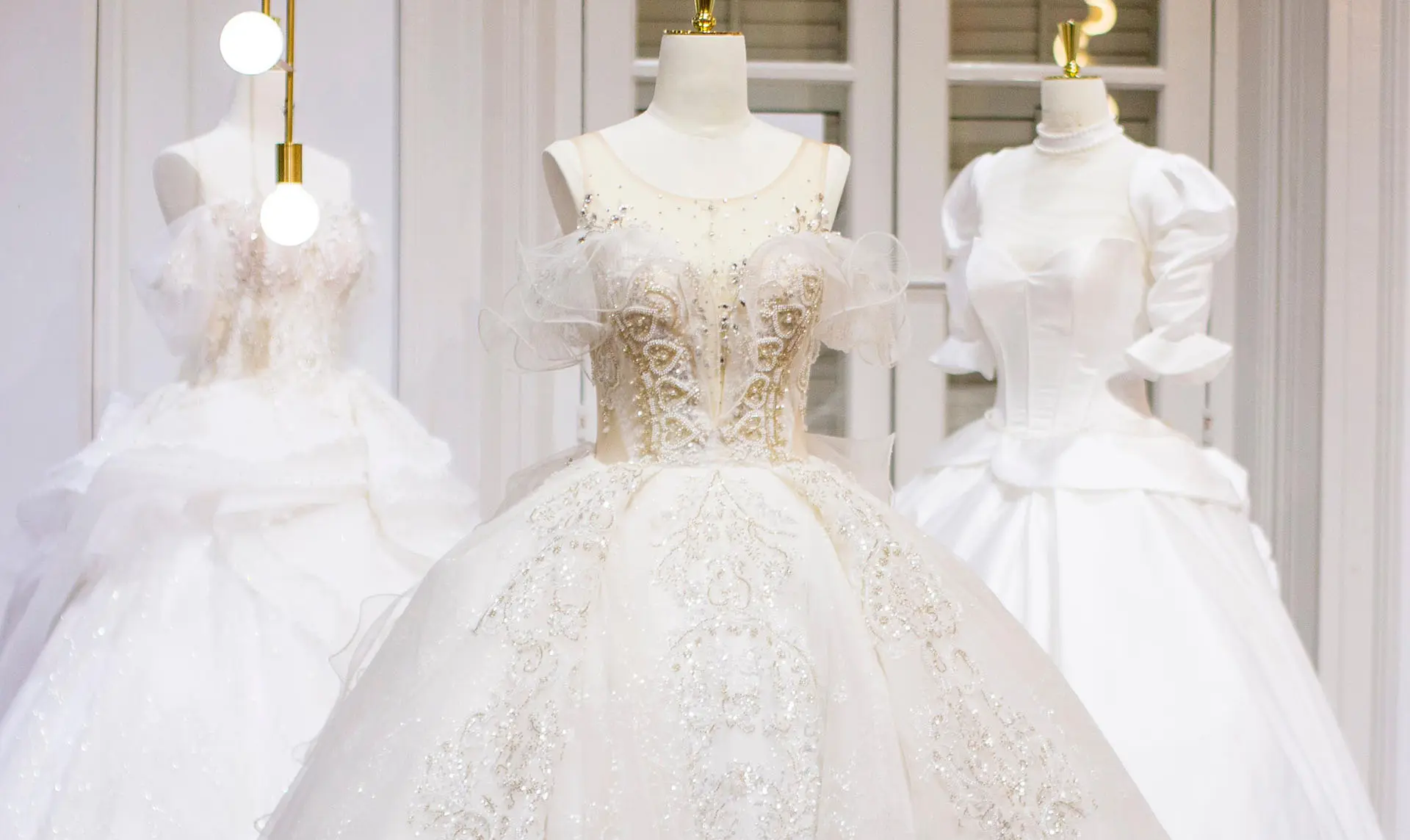
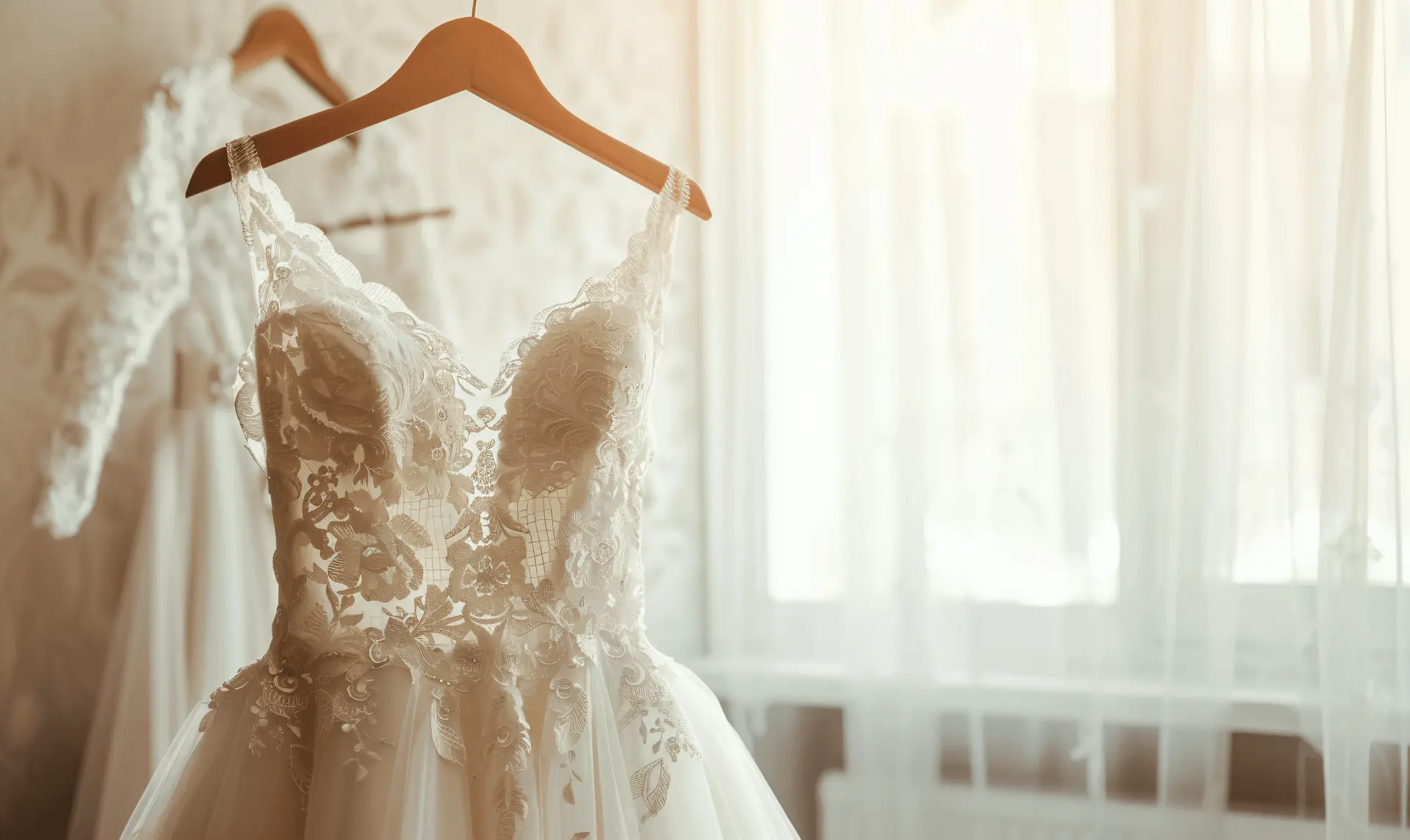

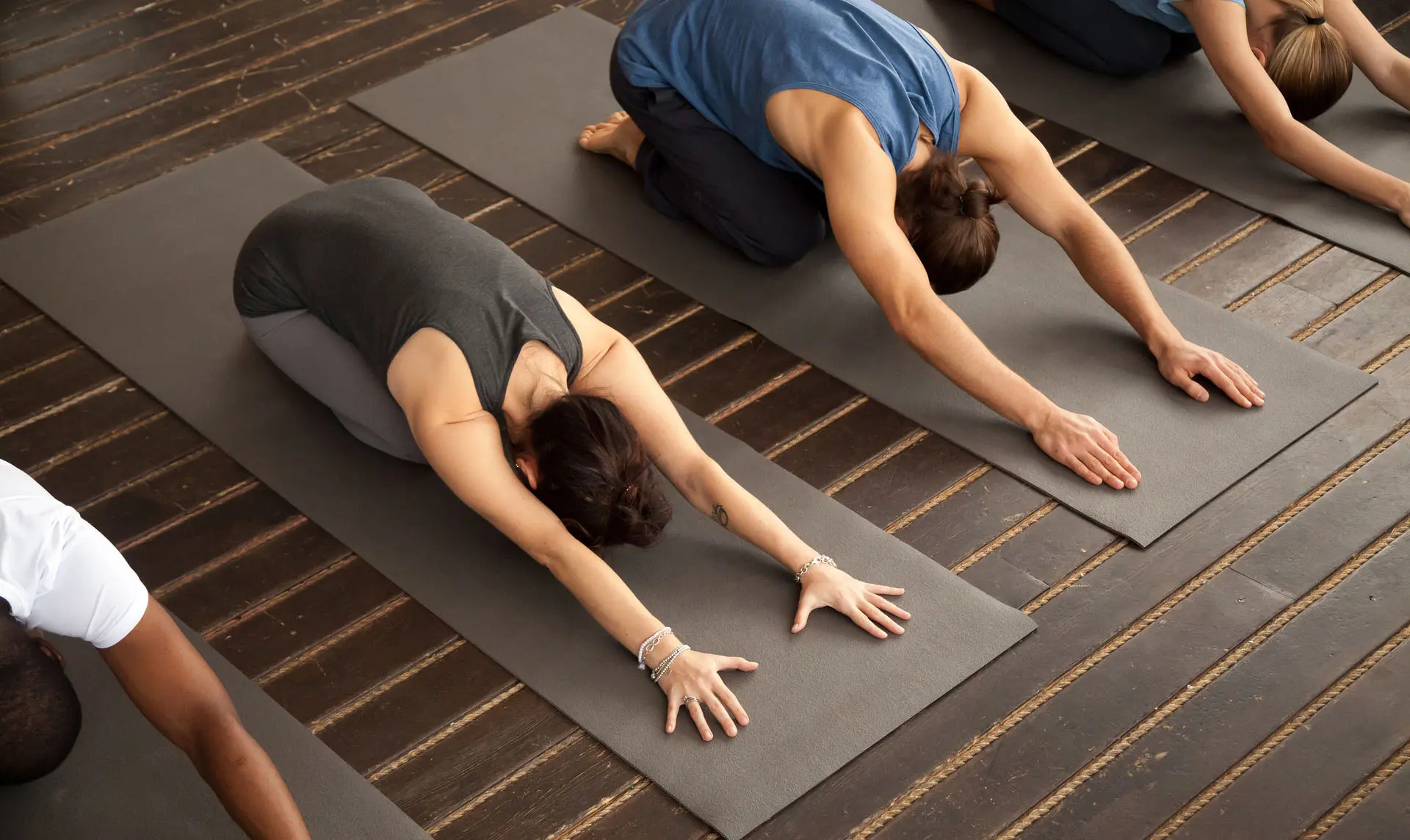
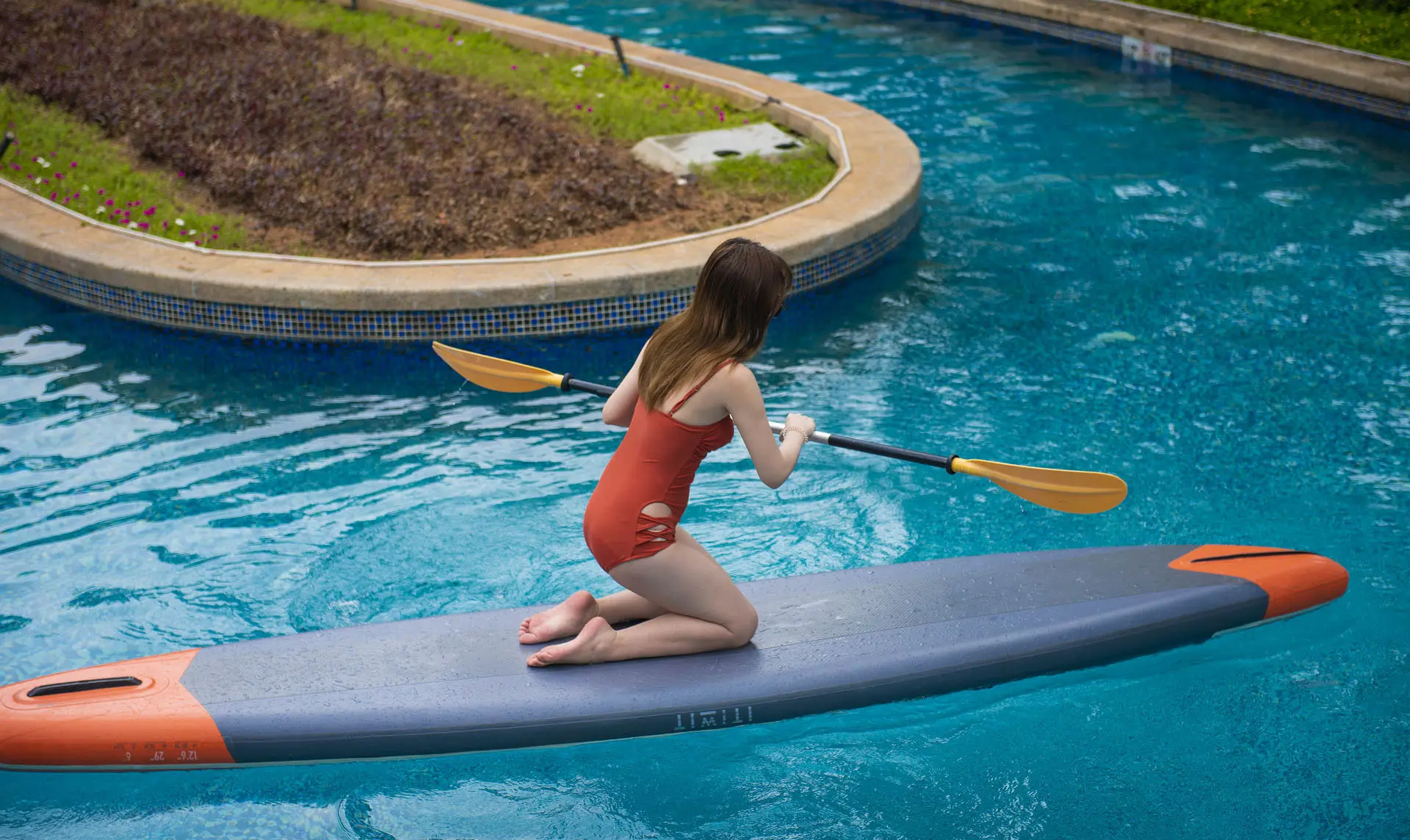
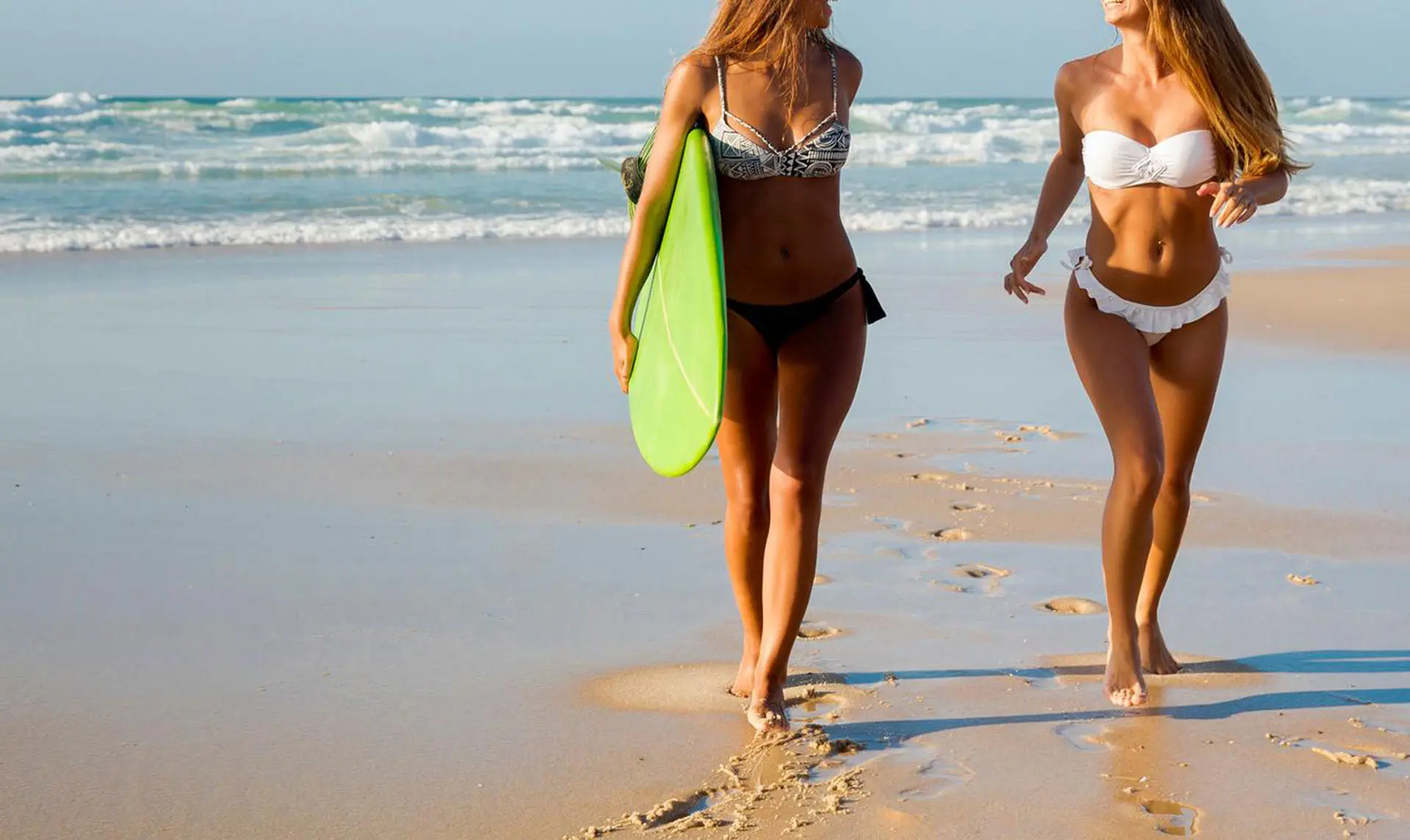
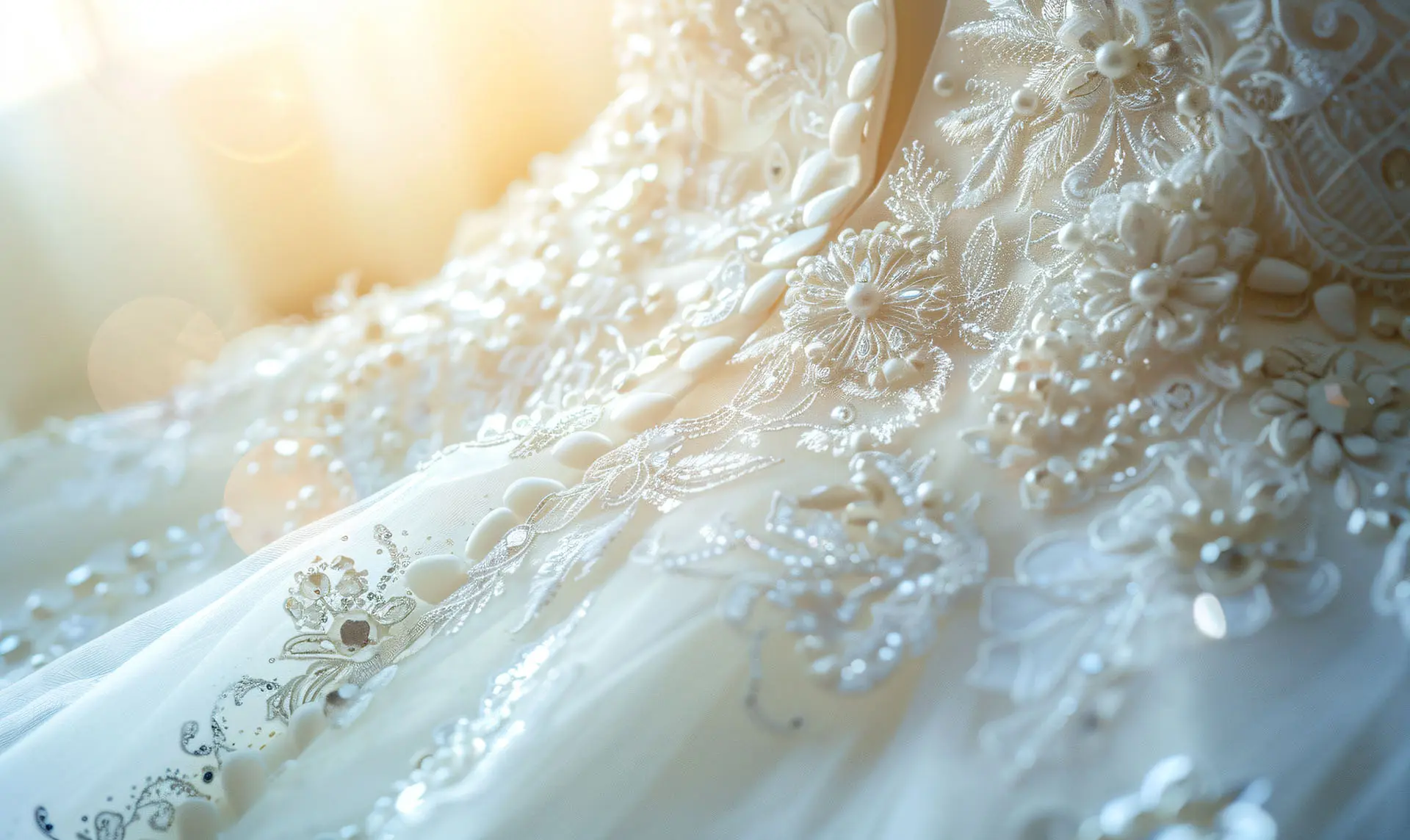
Fashion mesh is used in a range of industries, each with specific requirements for elasticity, recovery, breathability, and aesthetic appeal. Our factory provides tailored solutions for global markets:
Premium bridal fashion relies on illusion netting to create seamless overlays. The fabric must be sheer yet strong enough to support embroidery. Our 17D nylon bridal tulle uses a hex-mesh knit configuration to offer excellent transparency and structure, preventing deformation under the weight of decorative beads.
High-performance activewear demands fabrics with high stretch recovery and effective moisture management. We supply 200GSM nylon-spandex blends that provide multi-directional stretch and retain shape over time. These materials are treated with hydrophilic finishes to draw moisture away from the skin, enhancing wearer comfort.
Warp-knit mesh technology is also used to produce surgical and protective gauze. Unlike traditional woven cotton, warp-knit gauze does not fray when cut. Our high-cleanliness medical mesh gauze is manufactured under cleanroom conditions, offering a reliable, breathable base material for medical applications.
A look at our high-speed looms and quality testing processes.
Calibrating tension on 15D tulle
Controlling color consistency
Testing elongation and recovery
Final inspection before shipping
Regular updates on polymer science, textile maintenance, and global design trends.
Explore the properties of ice silk, a modified viscose fiber known for its cooling feel, and discover the best practices for washing and maintenance.
Read Full Article →
A detailed look at South Korean silk, analyzing its drape, durability, breathability, and typical uses in current fashion lines.
Read Full Article →
Learn key differences in melting points, tensile strength, moisture absorption, and dye affinity to choose the right material for your next project.
Read Full Article →
Satin offers a smooth feel and natural luster, making it a classic choice for elegant and structured bridal gown designs.
Read Full Article →
An analysis of lace's role in bridal wear, examining the production of delicate motifs over fine tulle bases.
Read Full Article →
A look at the chemical composition of polyester, focusing on its resistance to wrinkling, light stability, and wash durability.
Read Full Article →
How to combine print designs with structured mesh bases, suitable for spring lines, activewear accents, and resort wear.
Read Full Article →
Best practices for cleaning, storing, and conserving delicate bridal tulle and satin fabrics to prevent yellowing and creasing.
Read Full Article →
A quick comparison of bridal textiles, from structured matte satins and soft organza to sheer nylon tulle.
Read Full Article →Technical answers to common sourcing, design, and manufacturing questions for fashion mesh.
A: Nylon 6,6 has a higher melting point, lower moisture absorption, and greater elastic recovery than Nylon 6. It also resists yellowing under UV light, making it the preferred choice for bridal tulle (such as 15D or 17D grades) where clarity and structure are critical.
A: Denier refers to the weight in grams of 9,000 meters of yarn, describing fiber thickness. GSM (grams per square meter) measures the weight of the finished fabric. For example, a 17D nylon yarn can be knit into a lightweight 9GSM illusion mesh or a denser 25GSM embroidered mesh, depending on the loop spacing.
A: Warp knitting locks loops together to prevent fraying when the fabric is cut, unlike woven options. Run-resistance can be further improved during heat-setting by using a small amount of low-melt bonding yarn, which helps secure the knit joints.
A: For international markets, check for OEKO-TEX Standard 100 to ensure the fabric is free from harmful chemicals, and the Global Recycled Standard (GRS) if you are sourcing recycled polyester or polyamide meshes.
A: Nylon is sensitive to light-induced oxidation. Avoid storing it in cardboard boxes or plastic wrap that releases gases. Instead, wrap the fabric in acid-free tissue and store it in a cool, dry place away from direct sunlight.
A: Yes, specific grades of polyester mesh are used in surgical applications due to their biostability. For general wound care, cotton or rayon mesh gauze is preferred for its high absorbency and softness.
A: Spandex provides stretch and recovery. A blend of 8% to 15% spandex combined with nylon ensures that the mesh panel can stretch under movement and return to its original shape, preventing sagging.
A: Changle Jinfeng is a specialized warp knitting cluster, providing access to a complete supply chain of raw materials, advanced dyeing facilities, and experienced technicians. Its proximity to major ports and airports also helps lower logistics costs.
Engineered stretch meshes, Swiss dot netting, and technical medical textiles.
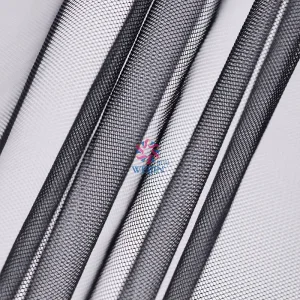
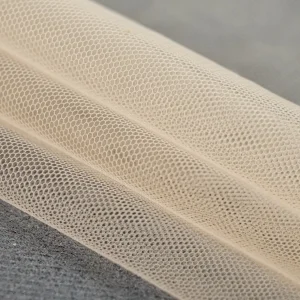
Fujian Weijin Textile Technology Co., Ltd. provides stable wholesale supply, custom color matching, and technical fabric development for brands worldwide. Get in touch to discuss your specifications, request samples, or arrange a factory visit.
Request Samples & Technical Specifications WEIJIN TEXTILE