 WEIJIN TEXTILE
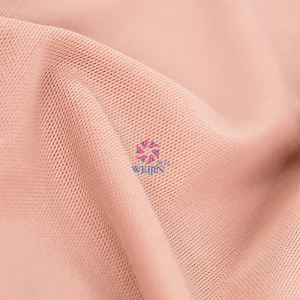
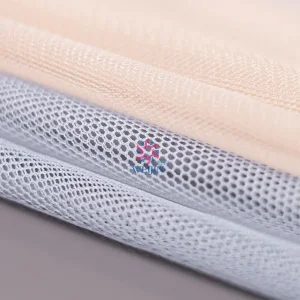
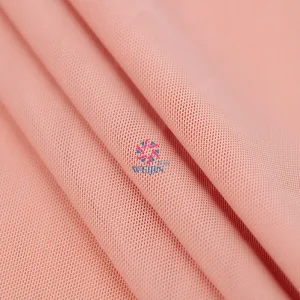
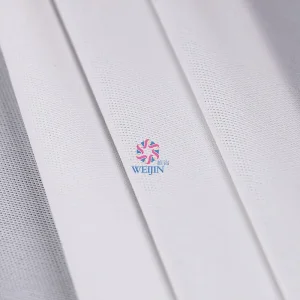
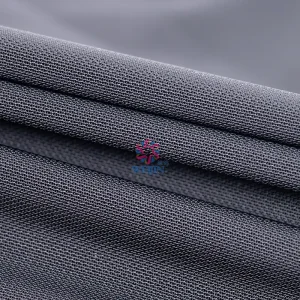
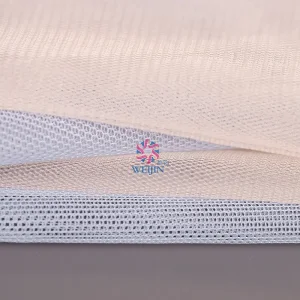
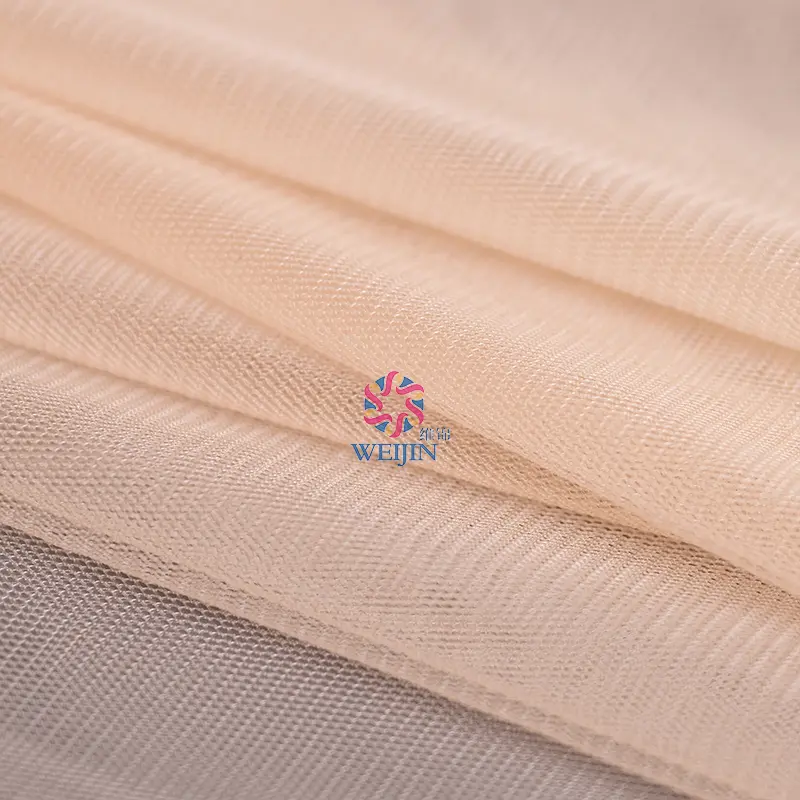
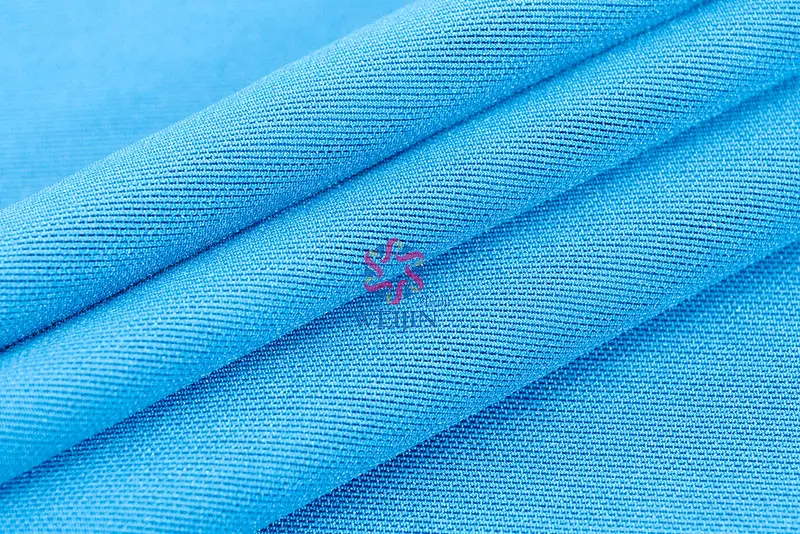
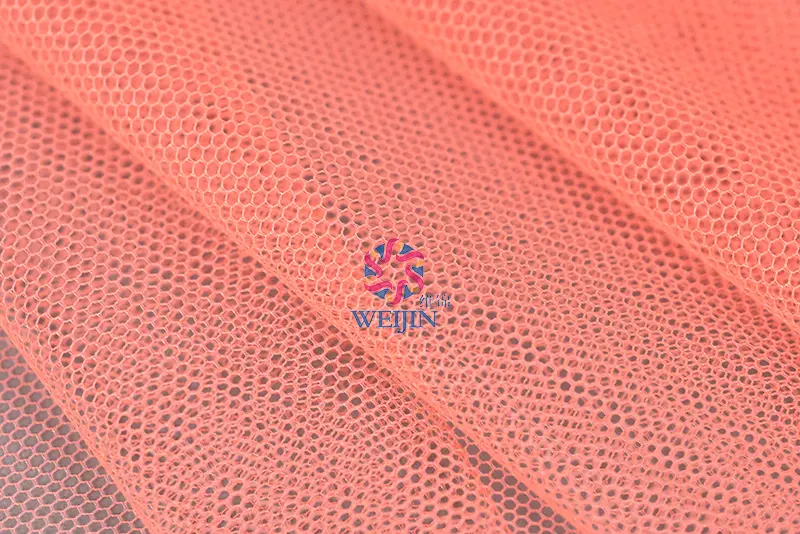
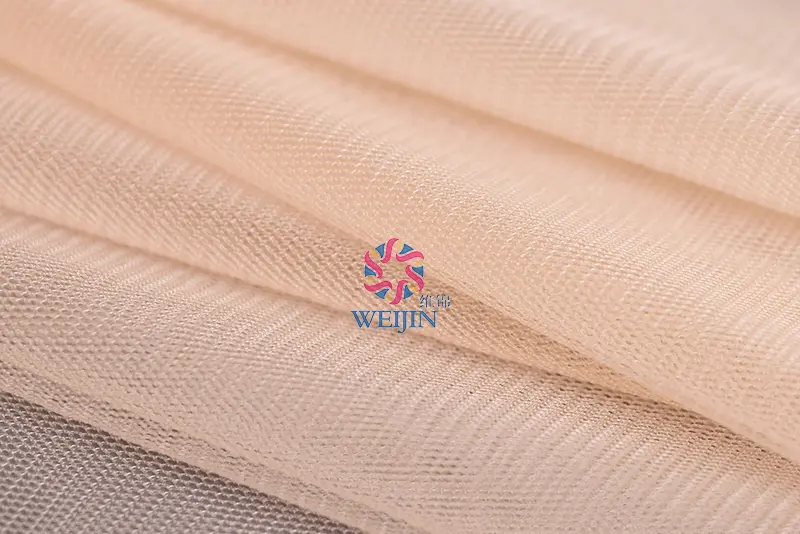
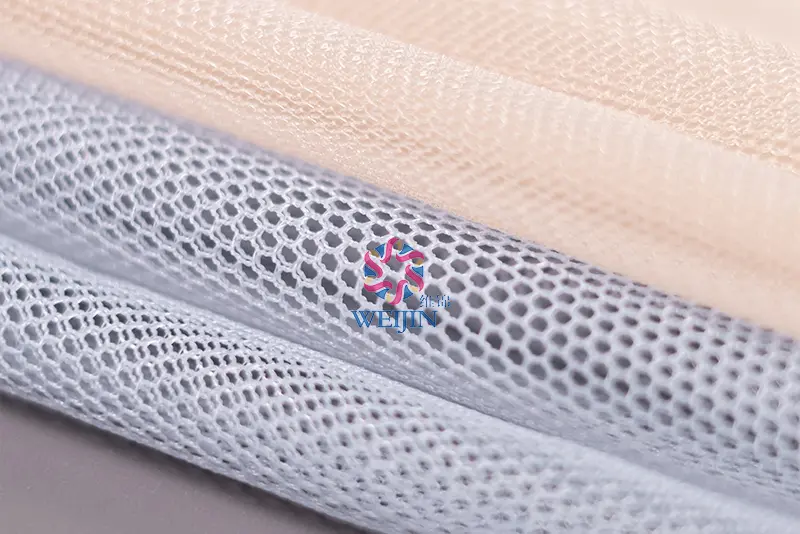
1. Understanding Fire Retardant (FR) Mesh Fabrics
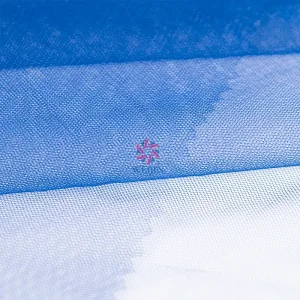
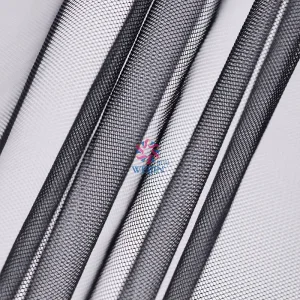
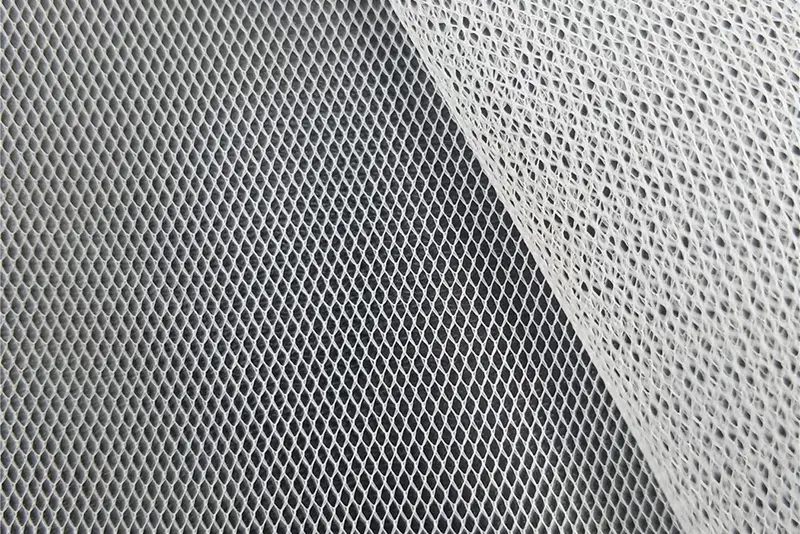
Fire retardant mesh fabric represents a critical category of technical textiles engineered to mitigate flame propagation. Unlike standard synthetic nets, which can melt rapidly and act as flame catalysts, FR mesh is formulated to self-extinguish when exposed to ignition sources. This behavior is achieved either through the incorporation of Inherently Flame Retardant (IFR) yarns, such as modacrylic or specially formulated polyester, or through post-knitting chemical impregnation processes that introduce flame-inhibiting compounds directly into the polymer matrix.
The core mechanism relies on physical or chemical interventions in the combustion cycle. When subjected to flame, the FR agents break down to release non-combustible gases (such as nitrogen or carbon dioxide) that dilute surrounding oxygen levels, while simultaneously promoting the development of an insulating carbonaceous char layer. This barrier blocks oxygen access and insulates the underlying fibers, preventing the material from sustaining its own combustion once the external heat source is removed.
2. The Warp Knitting Process and Structural Integrity
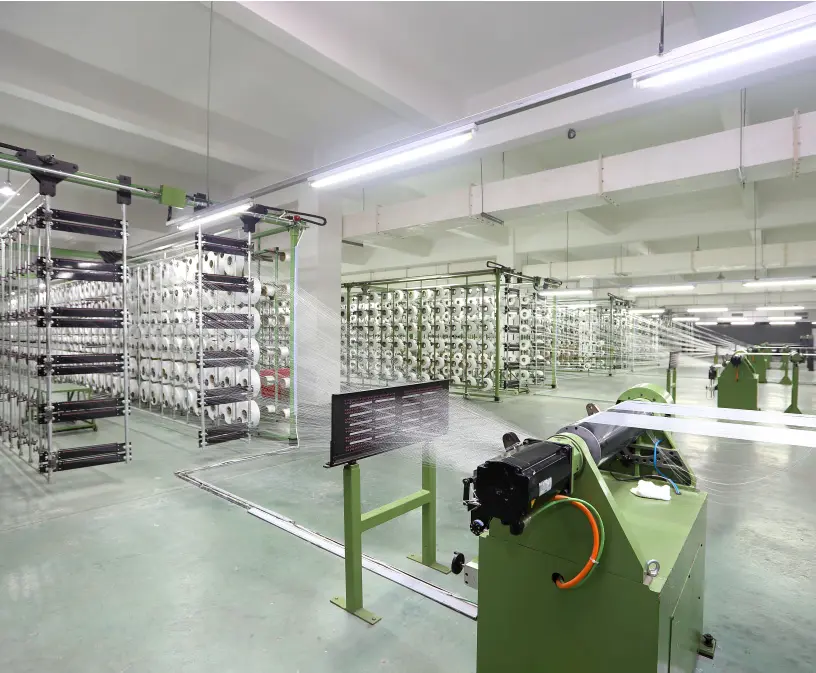
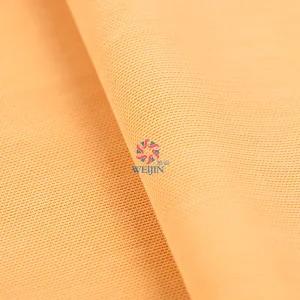
Warp knitting technology plays an essential role in manufacturing high-strength FR mesh. Unlike weft knitting or weaving, warp knitting loops yarns parallel to the fabric's length. This loop configuration creates a stable, run-proof architecture that retains its structural geometry under load, even when punctured or subjected to minor stress tears.
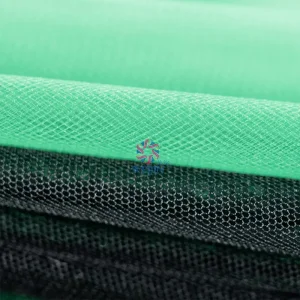
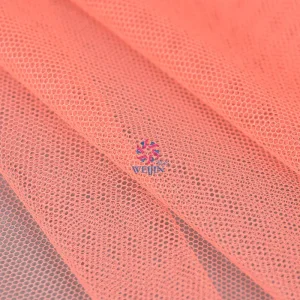
Warp knitting machines (such as Karl Mayer Raschel systems) allow designers to adjust pore size, weight, elasticity, and density. This flexibility produces highly tailored fabrics, from fine bridal tulle to robust industrial netting. Incorporating FR compounds directly into the spinning melt yields fibers that exhibit uniform flame protection throughout the mesh matrix, eliminating structural weak points.
Optimized Open-Mesh Ventilation
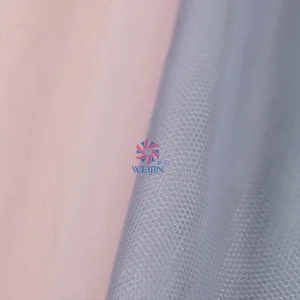
Engineered to deliver exceptional air circulation while maintaining a robust barrier, making it suitable for architectural, automotive, and specialized apparel applications.
Flame & Chemical Resistance
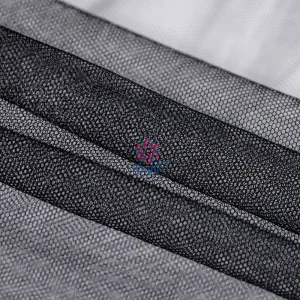
Maintains material integrity under high temperatures and chemical exposure, ensuring compliance with strict safety standards.
3. Regulatory Compliance & Global Fire Testing Standards
Navigating global safety protocols is essential when sourcing flame retardant textiles. Depending on the target region and application (e.g., architectural elements, commercial furniture, transport seating, or performance apparel), mesh fabrics must comply with localized test methods:
- NFPA 701 (Method 1 & 2): The primary standard in the United States for drapes, banners, and temporary architectural textiles. This standard measures flame propagation and drip ignition characteristics.
- EN 13501-1: The European system evaluating classification rates (Class A1 to F) alongside smoke emissions (s1, s2, s3) and flaming droplets (d0, d1, d2).
- BS 5867 Part 2: The British Standard assessing fabric performance in curtains, drapes, and window screens when subjected to direct edge or face ignition.
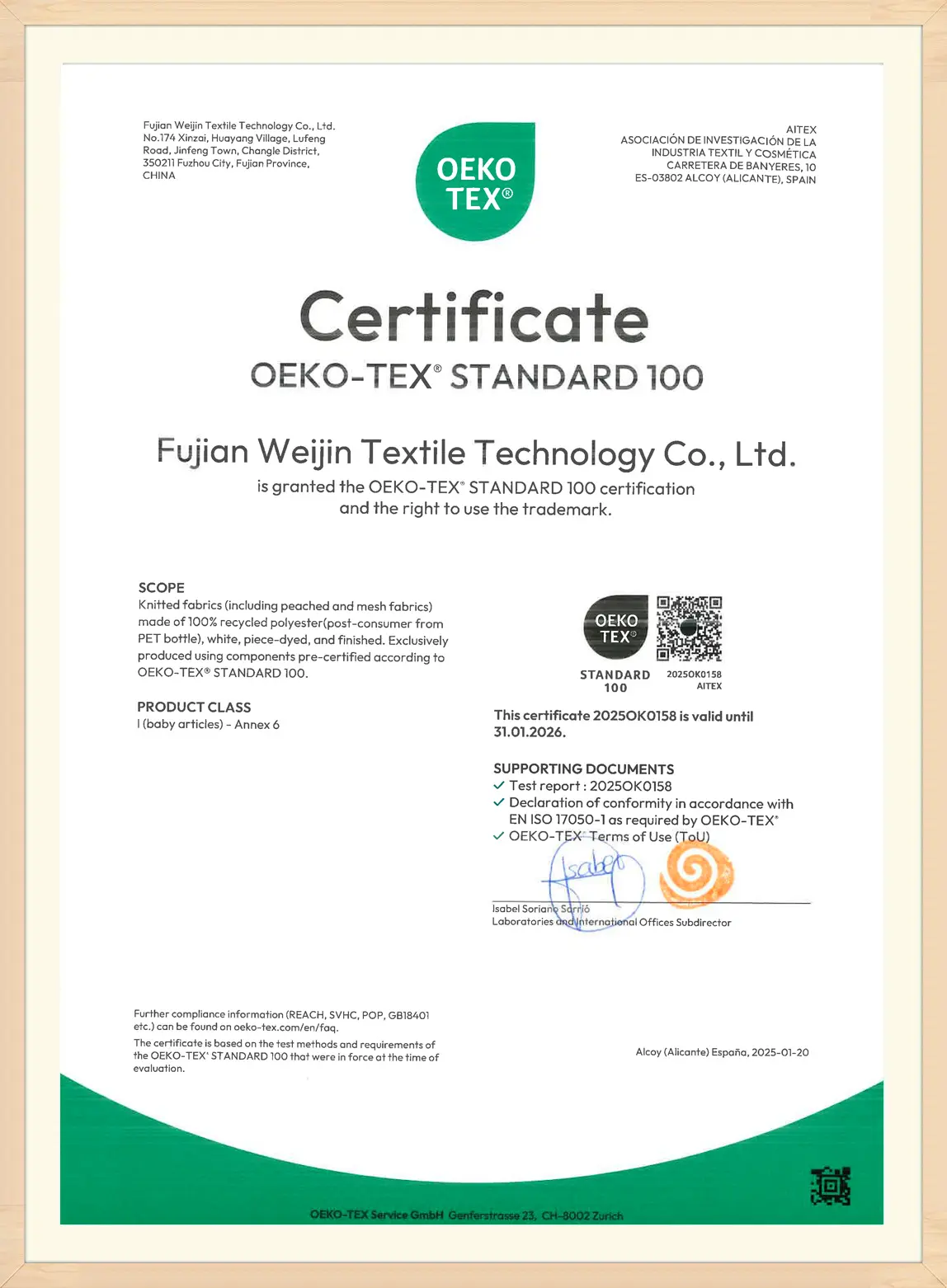
- OEKO-TEX Standard 100: Ensures that flame-retardant chemicals used in fabric production are free from hazardous levels of restricted toxins and safe for direct skin contact.
4. Deep Integration of China’s Warp Knitting Supply Chain (Fujian Weijin)
Fujian Weijin Textile Technology Co., Ltd. operates in Changle Jinfeng, a major warp knitting hub in China. This strategic location offers unique supply chain advantages for global buyers:
Our proximity to Fuzhou Changle International Airport (10 km) and Fuzhou Mawei Port (20 km) facilitates fast, cost-effective shipping for bulk orders. By integrating every stage of production—from raw polymer sourcing and extrusion to custom warping, heat-setting, and fire-retardant processing—we maintain rigorous quality control while optimizing production costs. This vertical integration allows us to deliver high-performance, cost-effective mesh fabrics worldwide.
5. Sourcing Guide: Matching Intended Use with Tech Specs
Successful procurement depends on matching your application's technical needs with the correct fiber specifications. Factors to consider include weight (GSM), density, elasticity, and processing style:
- Warp Knitted Tulle & Wedding Fabric: Needs to balance light, airy draping with structural stability, while meeting localized fire safety standards for event venues.
- Filtration Mesh (e.g., 280G Ammonia Mesh): Requires high purity, chemical resistance, and consistent pore dimensions.
- Elastic/Performance Mesh (Nylon-Spandex blends): Combines multi-directional stretch with flame protection, designed for athletic apparel and specialized industrial uses.
6. Future Outlook: Eco-Friendly Flame Retardants & Next-Gen Polymers
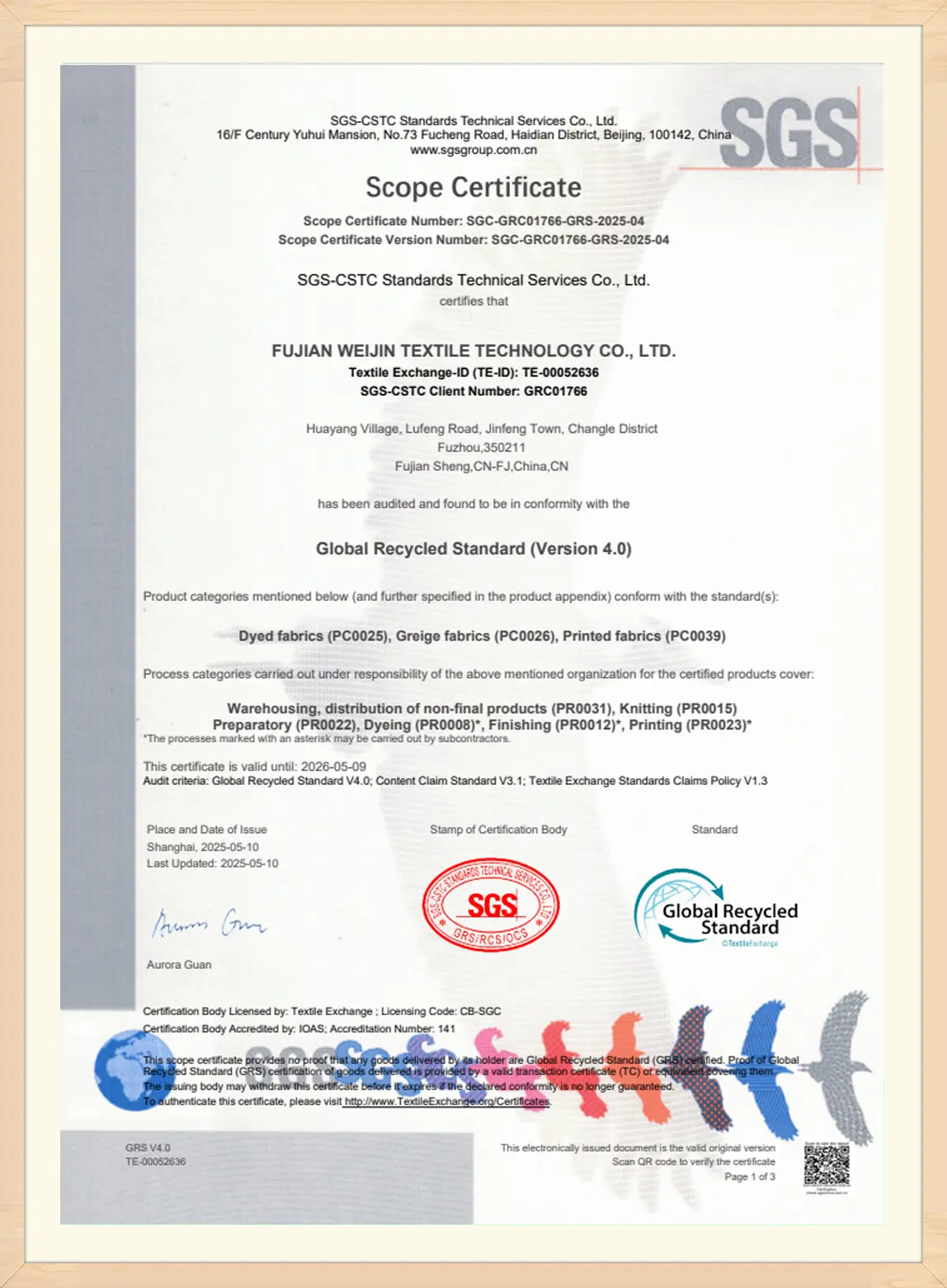
The industry is transitioning toward halogen-free flame retardant (HFFR) formulations in response to tightening global environmental regulations. Traditional brominated and chlorinated treatments are being phased out in favor of phosphorus-nitrogen systems and nanostructured additives. In parallel, bio-based synthetics and recycled polyesters are gaining traction, allowing manufacturers to deliver high-performance flame-retardant meshes with a reduced environmental footprint.