Explore our premium heavy-duty substrates, warp-knitted under cleanroom-compliant and ISO 9001:2015 certified infrastructure.
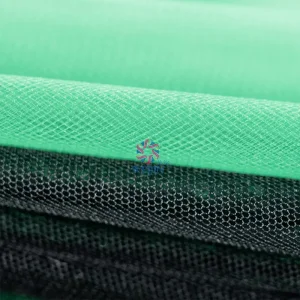
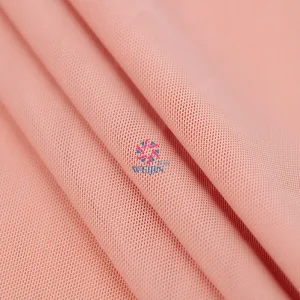
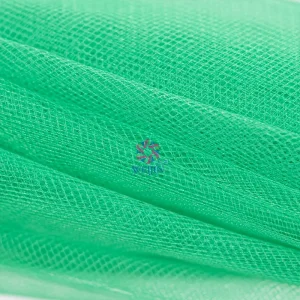
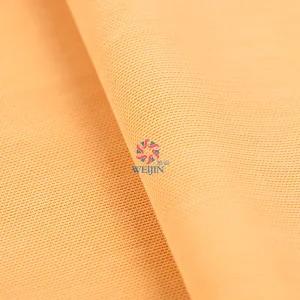
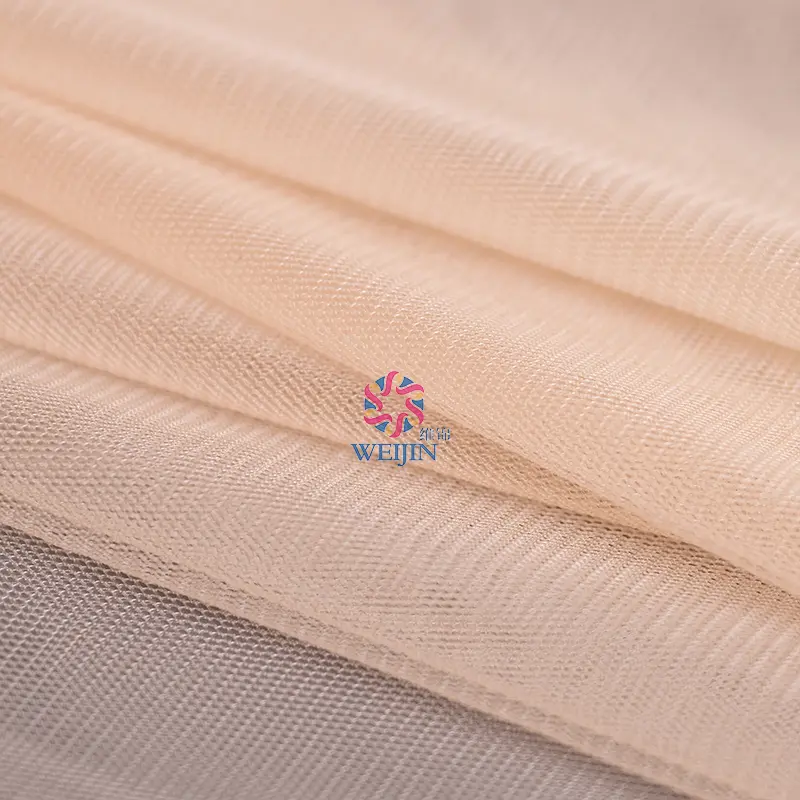
The global textile and structural manufacturing supply chains are undergoing a paradigm shift towards high-performance, resilient, and multi-functional substrates. As a premier heavy-duty mesh fabric supplier, we recognize that procurement managers in the automotive, aerospace, medical, filtration, and geotechnical domains no longer purchase generic meshes. Instead, they require precision-engineered polymers optimized for dynamic load-bearing profiles, extreme environmental stress cracking resistance (ESCR), and strict chemical exposure tolerances.
Modern procurement demands an advanced understanding of polymer chemistry and warp-knitting geometry. Global commercial hubs in North America, Western Europe, and Asia-Pacific are increasingly setting new standards for tensile strength-to-weight ratios. From industrial conveyor mesh to high-elasticity athletic networks, industrial fabrics must survive thousands of cyclic loading phases while maintaining shape integrity.
Delving deep into deniers, loop geometries, and mechanical testing frameworks.
Heavy-duty mesh fabrics obtain their structural properties through complex warp-knitting systems, chiefly Raschel and Tricot machinery. Unlike traditional woven fabrics, warp-knitted textiles are constructed using parallel yarn loops formed simultaneously. This interconnected loop structure prevents unraveling or running even when a single fiber suffers mechanical failure, a property critical in medical wound dressing gauze and heavy-duty industrial loading nets.
Depending on target applications, raw yarns are classified into monofilaments—which offer maximum rigidity, high chemical resistance, and ease of filtration cleaning—and multifilaments, which yield high surface areas, superb flexibility, and dynamic air permeability. Our modern facilities utilize computer-controlled Karl Mayer machinery, allowing for precise control over stitch density, loop angles, and tension curves.
| Fabric Type / Grade | Material Composition | GSM Range | Typical Applications | Key Performance Metric |
|---|---|---|---|---|
| Industrial Filtration Mesh | 100% Polypropylene / Nylon 66 | 150 - 350 GSM | Chemical separation, water treatments | Micron-level pore precision |
| Elastic Sportswear Network | 80-90% Nylon, 10-20% Spandex | 120 - 200 GSM | Athletic wear, core support linings | Excellent stretch recovery |
| High-Purity Ammonia Mesh | Modified polyamide fibers | 160 - 280 GSM | Industrial cleaning, filtration | High chemical resistance |
| Clinical Gauze Systems | Sterile, hydrophilic cotton/poly | 20 - 60 GSM | Wound management, bandaging | Optimum exudate absorption |
Our most sought-after categories, designed to meet strict industrial specifications.
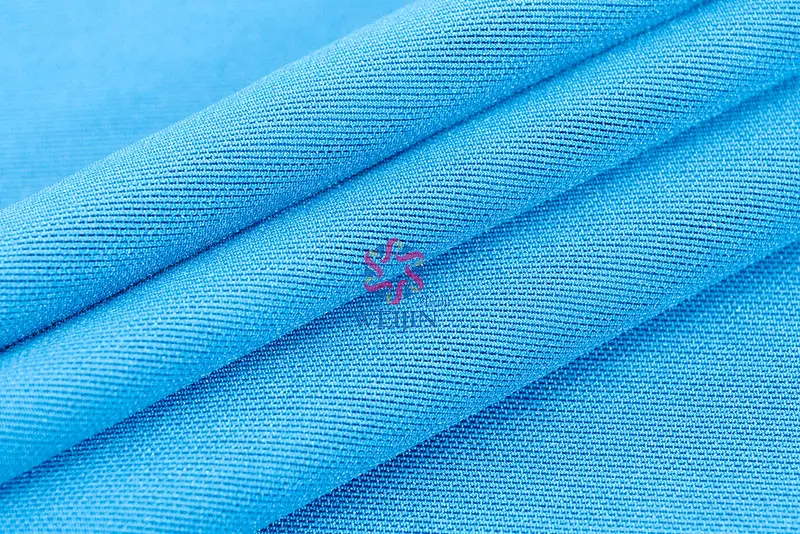
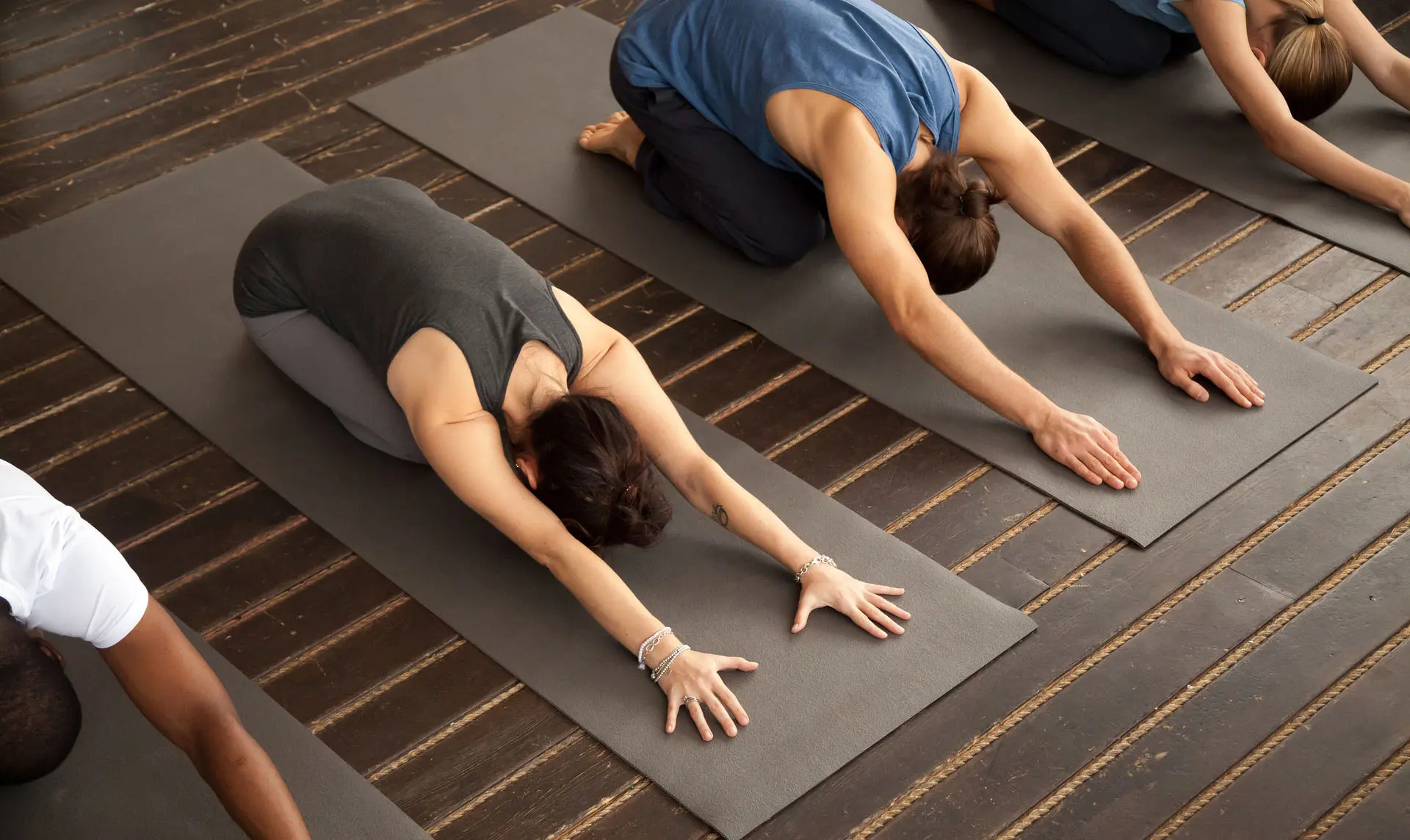
High-recovery Spandex blends designed for ergonomic support.
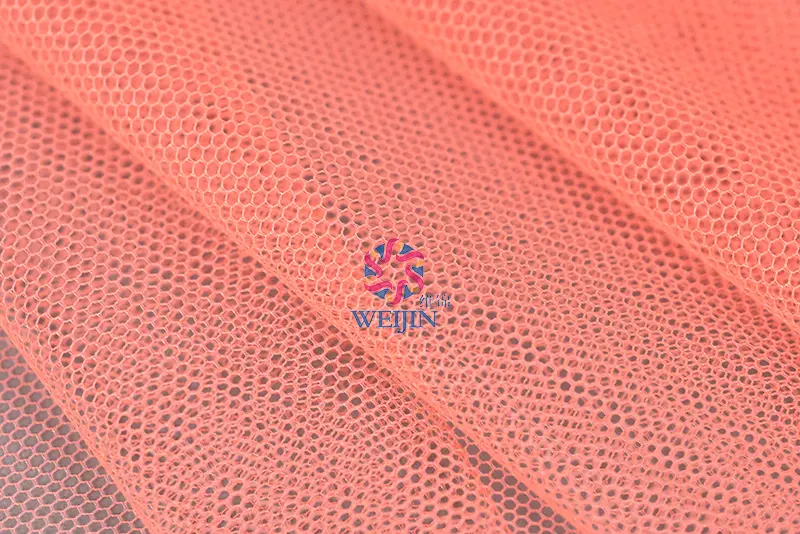
Intricate stitching on robust mesh bases for premium fashion design.
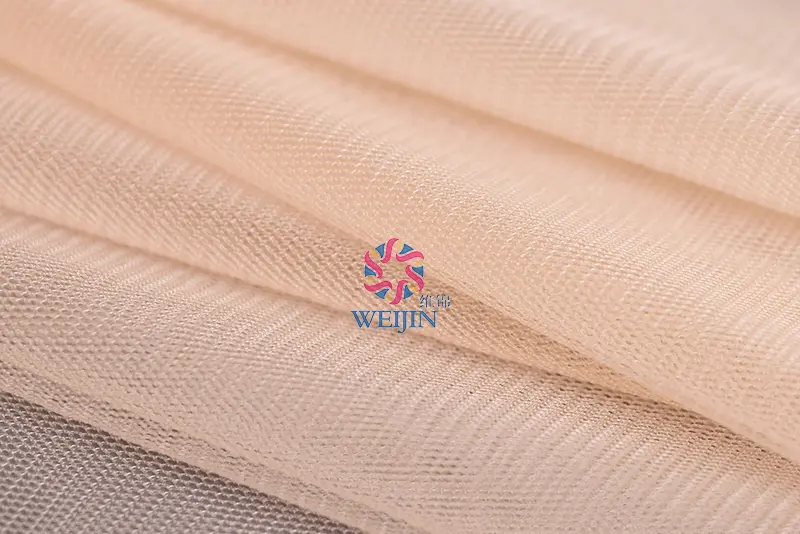
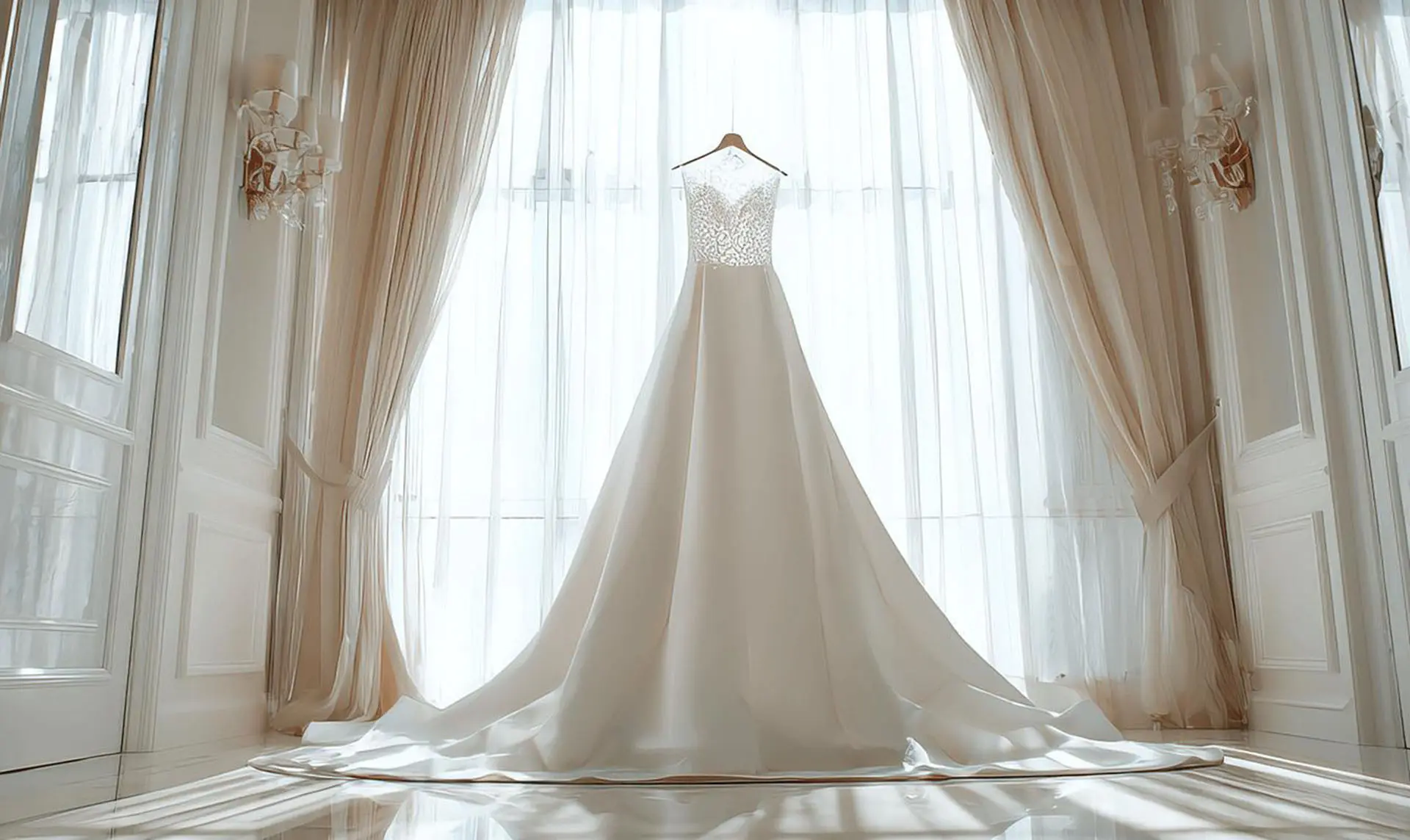
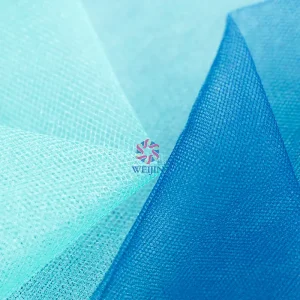
Ultra-fine structural mesh providing shape and volume for bridal applications.
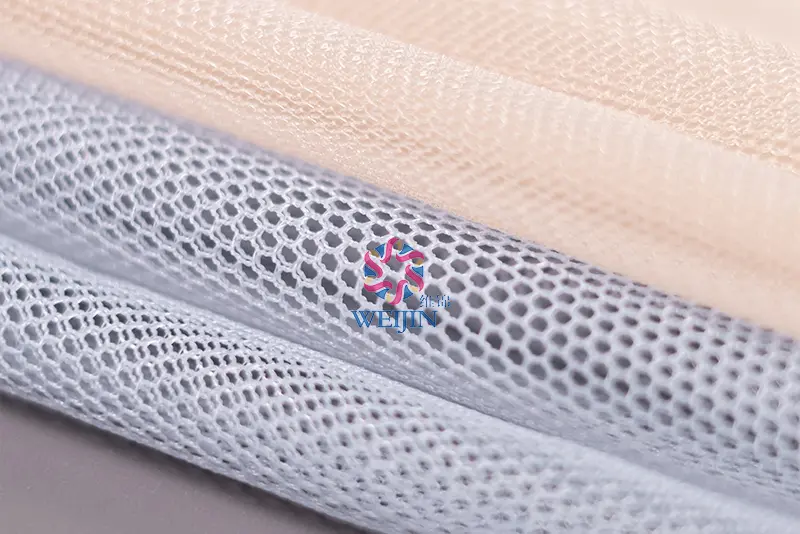
Satin-smooth tulle blends combining drape and structural integrity.
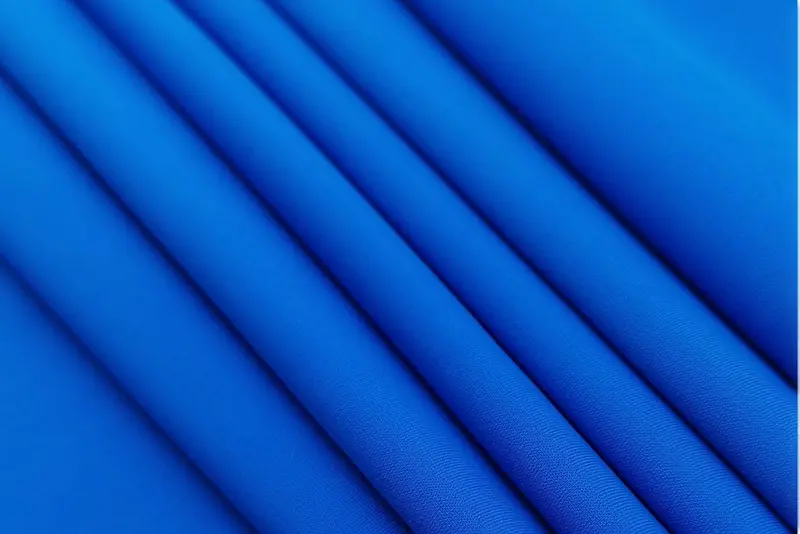
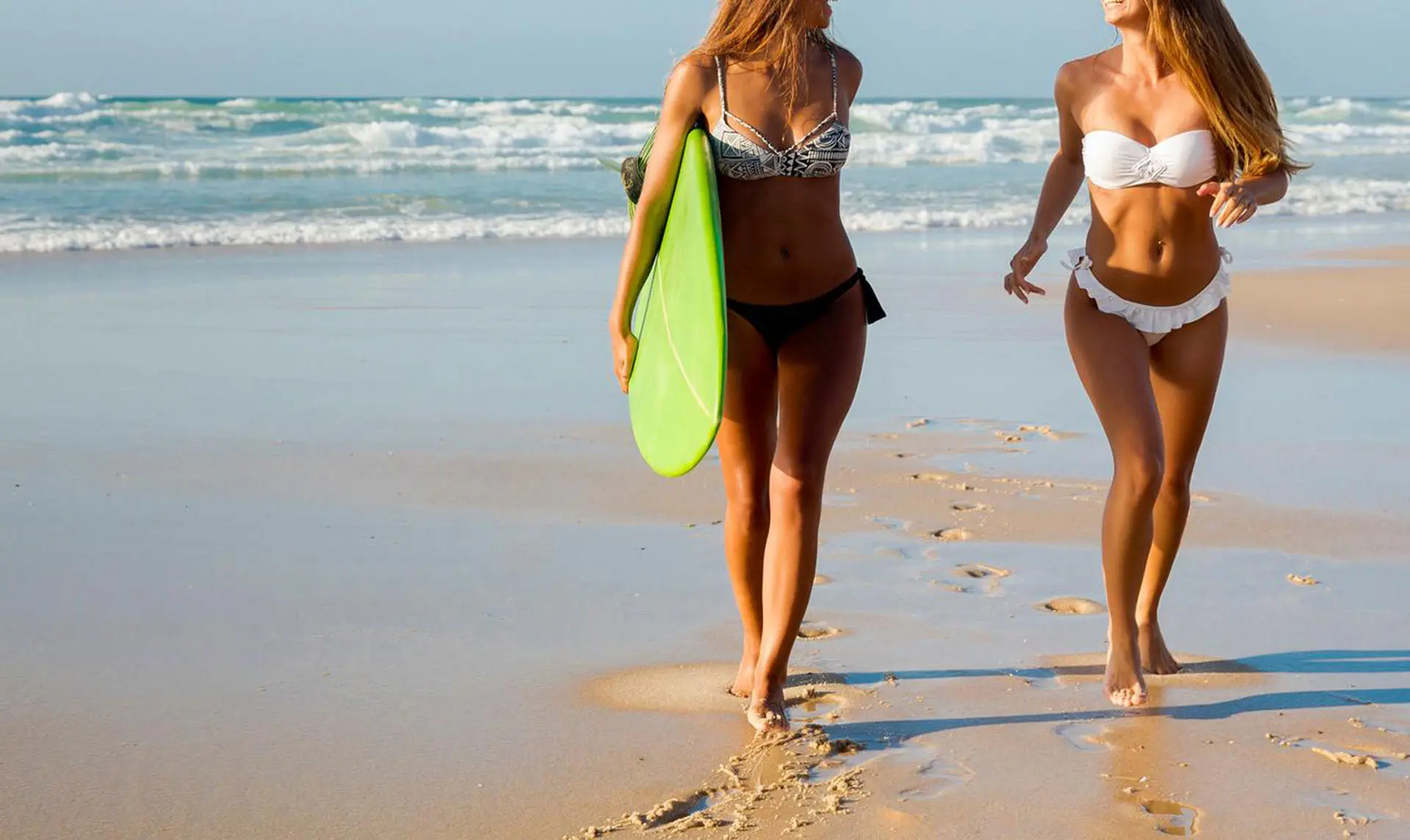
Chlorine-resistant and quick-drying fabrics for active water sports.
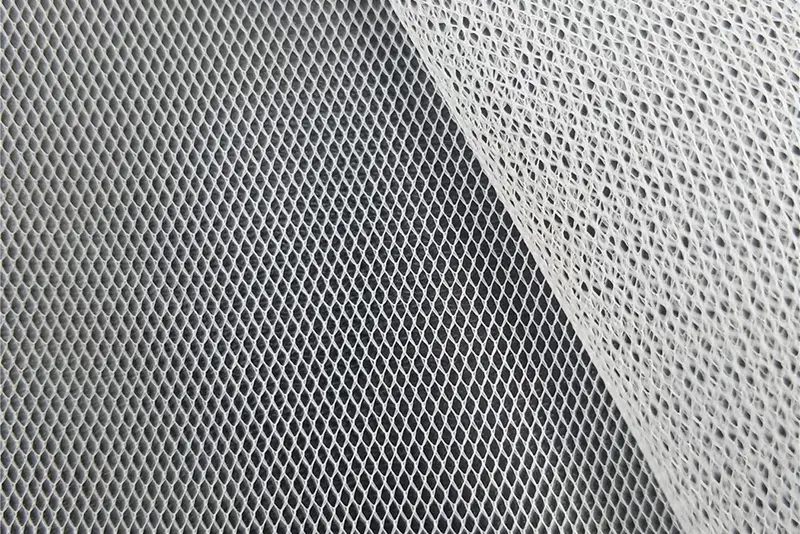
Rigid monofilament nets optimized for structural industrial filtration.
Fujian Weijin Textile Technology Co., Ltd. is strategically situated in Changle Jinfeng, a globally renowned warp knitting cluster in Fujian, China. Benefiting from a prime logistics ecosystem, our facility is located just 10 kilometers away from Fuzhou Changle International Airport and only 20 kilometers away from the deepwater Fuzhou Mawei Port. This allows for seamless transport links and efficient B2B shipping schedules to global ports across the Americas, Europe, and the Middle East.
We own and operate advanced warp knitting facilities equipped with high-speed electronic guide bar systems. These machines allow us to produce high-density, multi-directional structures. Our R&D team continuously innovates to refine yarn geometry, offering high-performance, specialized polymer blends for global industrial applications.
Learn More About Our Facility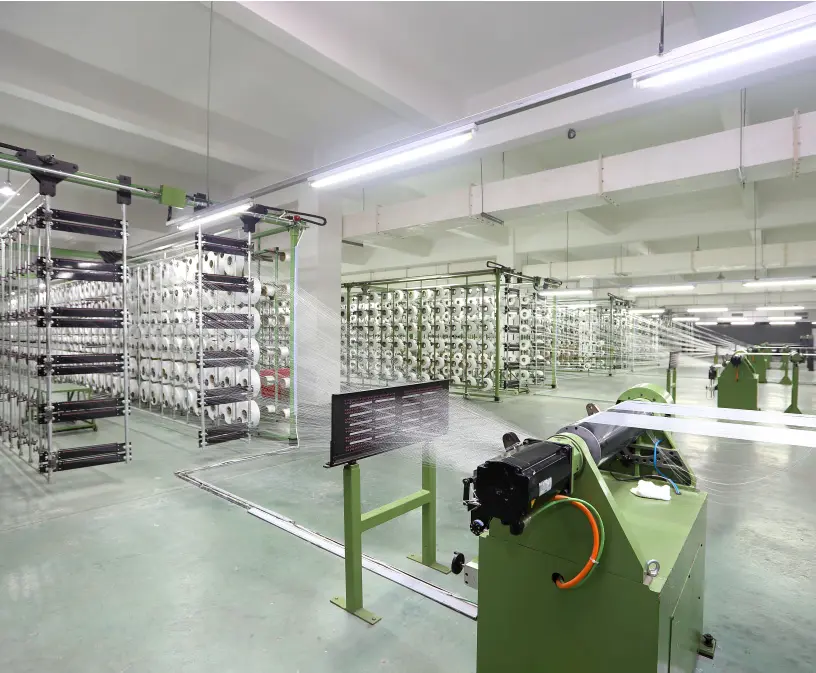
 Watch Factory Video
Adapting heavy-duty mesh structures for complex real-world operations.
Engineered with high absorbency and non-adherent surfaces, our medical gauze options offer consistent exudate management. Warp-knitted structured nets provide stable reinforcement layers for post-operative compression dressings and sterile wraps.
Heavy-duty mesh serves as the primary support grid for membrane filtration systems. Resistant to acids, alkalis, and temperatures up to 130°C, these textiles are crucial for petrochemical, water-treatment, and food processing applications.
From ethereal 15D nylon transparent nets to bridal tulle, our premium fine-mesh fabrics deliver an exquisite handfeel, controlled stiffness, and dynamic luminous properties suitable for high-end wedding dress designs and haute couture.
Recognized globally for textile engineering, technological innovations, and manufacturing quality.

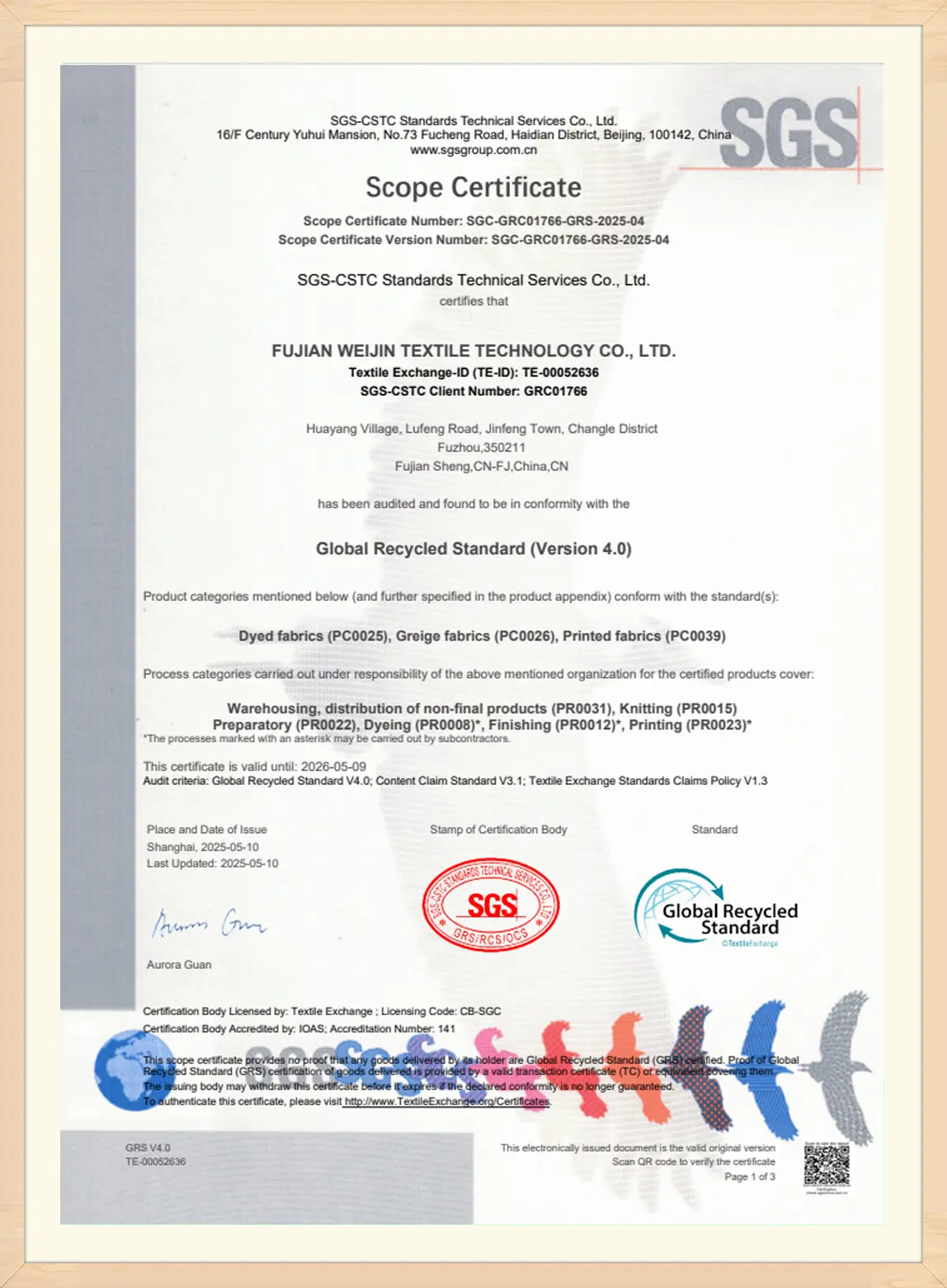
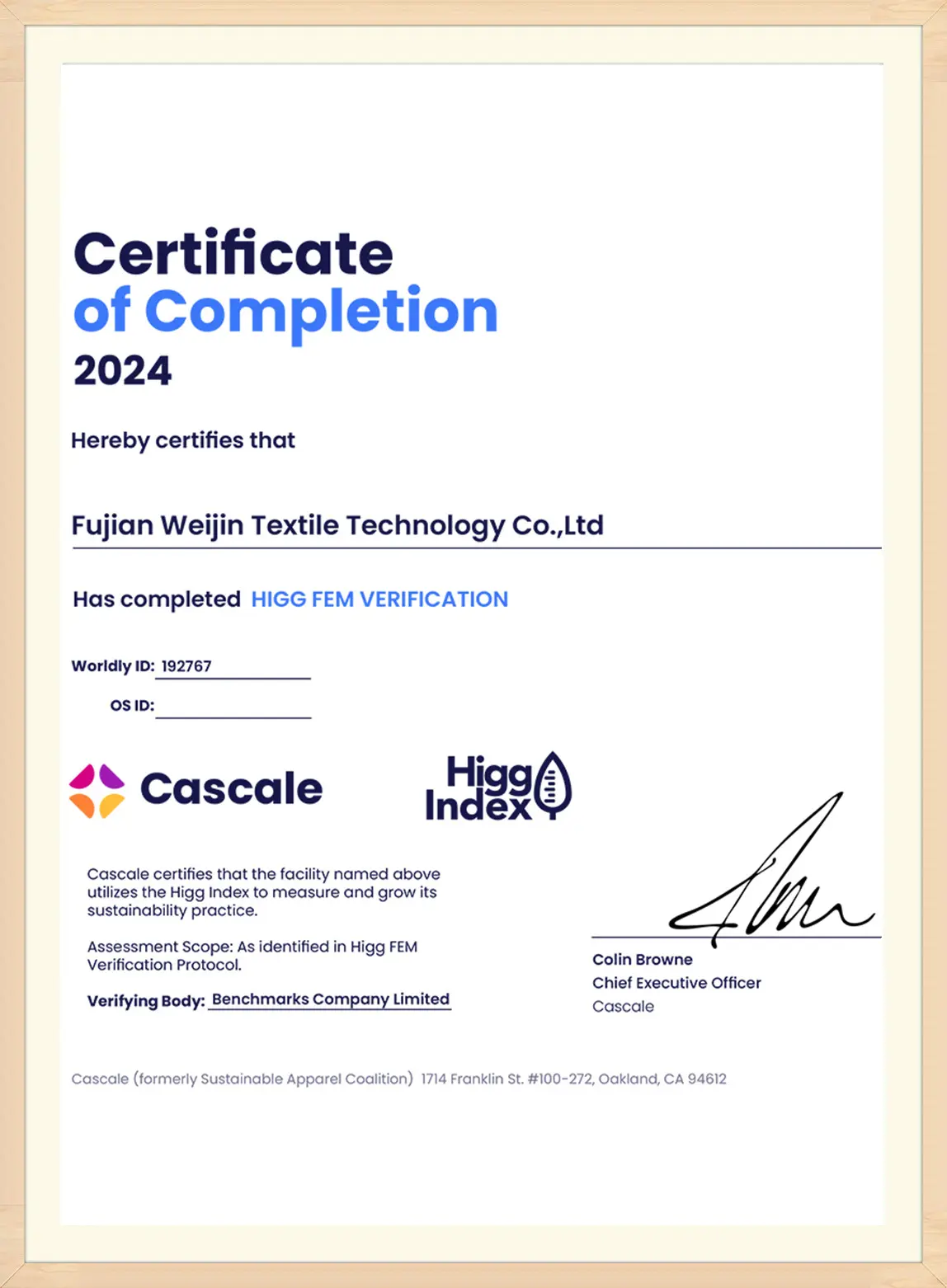
Developing next-generation smart textiles and eco-conscious polymer pathways.
The next decade of heavy-duty fabric design is driven by two vital trends: sustainability and structural smart materials. Environmental targets require alternatives to traditional petrochemical synthetics. Fujian Weijin Textile Technology Co., Ltd. is actively testing and integrating recycled polyester (RPET) yarns, bio-based nylon polymers derived from plant oils, and biodegradable monofilaments that match the performance profile of traditional nylon. These materials provide a path toward zero-waste industrial operations.
Additionally, we are exploring the integration of conductive carbon-nanotube matrices directly into the warp-knitting pattern. This technology enables the mesh to act as a structural sensor, tracking strain, pressure gradients, and temperature changes in real time. Our development roadmap ensures our clients stay ahead of emerging industrial safety regulations.
We are reducing our environmental footprint by utilizing closed-loop water systems in our dye facilities, allowing us to recycle up to 85% of standard wastewater. Our target is to source 100% of our polymer feedstock from certified post-consumer recycled networks by 2030.
Examine our advanced production floor and showrooms from any device.





Ensuring all technical textiles meet strict global performance and regulatory mandates.
Industrial textiles must perform reliably in safety-critical settings. As an exporter to the EU, North America, and Asia-Pacific, our production is audited under various international standards. We perform tensile tests, burst tests, and elongation profile checks to verify that every fabric batch maintains its specifications under pressure.
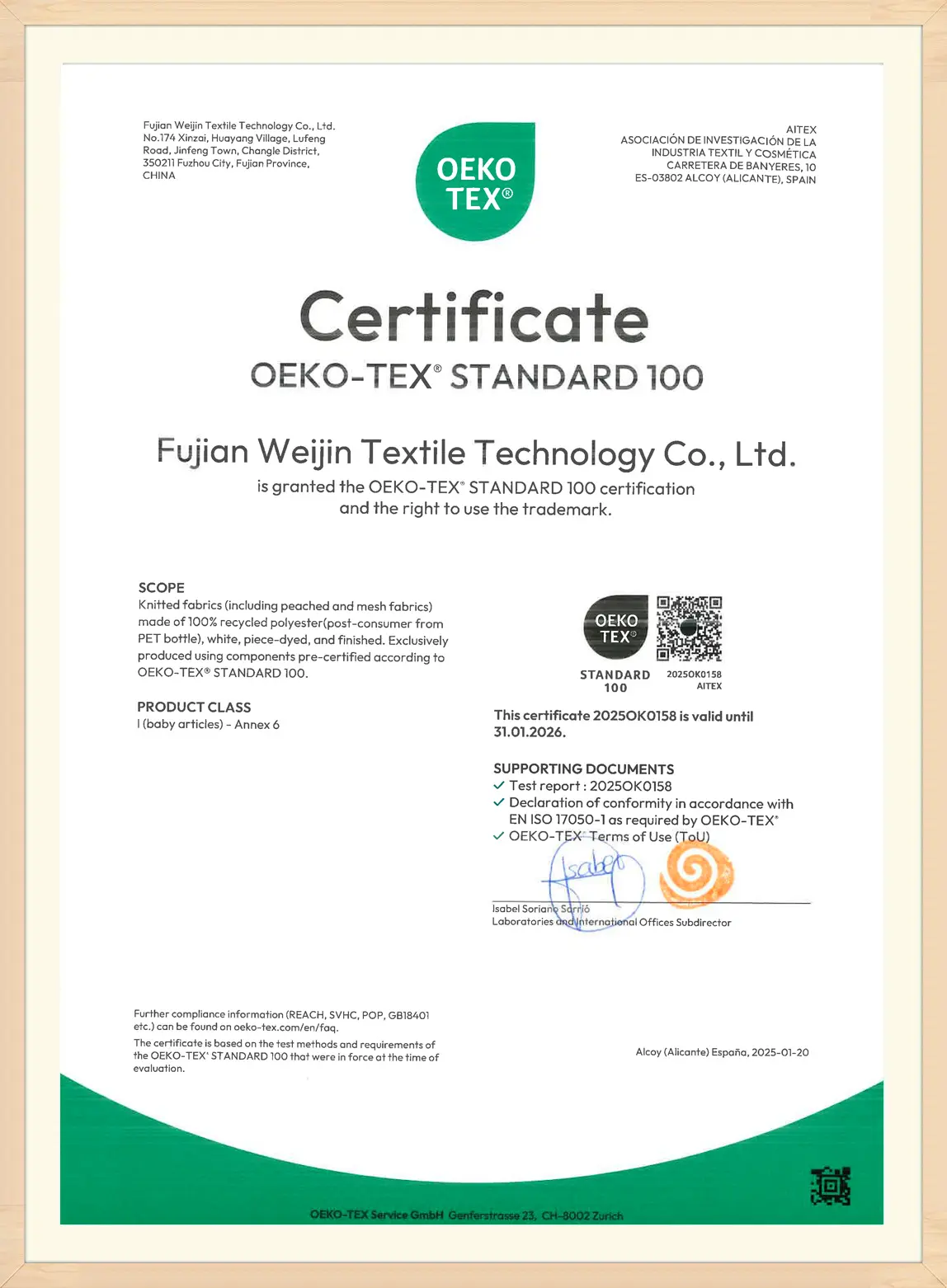
Our quality system is verified across key regulatory standards, assuring compatibility for chemical, medical, and consumer goods use:
Ensures structured quality management, consistent raw polymer traceabilty, and regular calibration of our testing gear.
Confirms our apparel fabrics are free from harmful processing chemicals, sensitizing dyes, or VOCs.
Guarantees that all colorants, catalysts, and additives comply with European chemical safety regulations.
Observe our warp knitting machinery, finishing lines, and laboratory testing protocols in action.
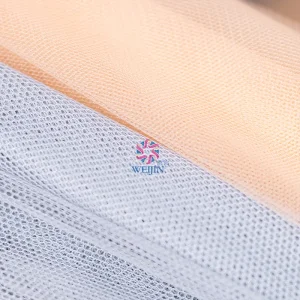
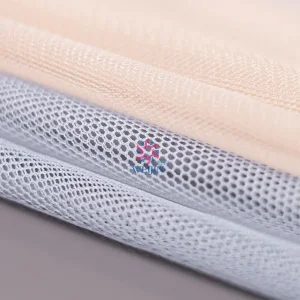
We mainly produce all kinds of high-end mesh fabric products.
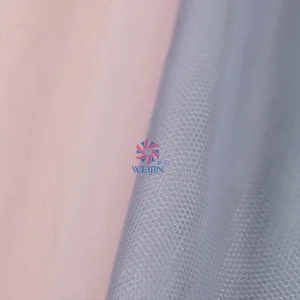
We mainly produce all kinds of high-end mesh fabric products.
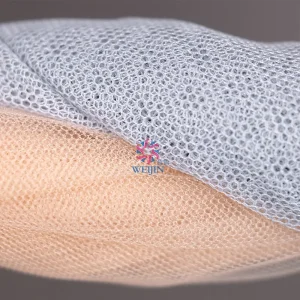
We mainly produce all kinds of high-end mesh fabric products.
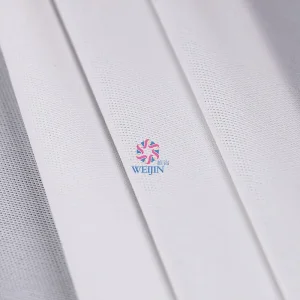
We mainly produce all kinds of high-end mesh fabric products.
Resolving the critical commercial, quality, and logistical queries of global buyers.
For stock mesh patterns, we offer flexible terms. For customized configurations—which include modifications to denier weight, stitch structure, GSM, or colorways—the standard MOQ is typically 500 kilograms per specification. We also support lower-volume sample runs to help clients with validation testing and prototyping.
Our quality control process is integrated throughout production. Each batch undergoes high-temperature hot-air heat-setting, maintaining consistent structural properties. We analyze every lot using automated tensile test benches, measuring elongation under load and warp/weft stability, and provide clear Certificate of Analysis (CoA) reports upon request.
We provide various specialized treatments, including halogen-free flame retardant finishes (NFPA 701 compliant), UV stabilizers for outdoor longevity, antimicrobial finishes, and fluorocarbon coatings for chemical and water resistance.
Since our factory is situated only 20 kilometers from Fuzhou Mawei Port, inland transport is fast. The typical production lead time for standard FCL (Full Container Load) orders is 25 to 30 days. Transit times vary by destination port: 15–20 days to West Coast North America, and 30–35 days to Western Europe.
Expert guidance on textile properties, maintenance protocols, and processing techniques.
"Bing Si" is a trade name for a modified viscose chemical fiber. This fabric exhibits superb breathability and cooling effects. Learn the correct washing temperatures...
Analyzing the structural elasticity and light absorption characteristics of South Korean silk mesh materials in global markets...
A technical guide to identifying nylon and polyester fibers, covering density, flame reaction, melting points, and stretch characteristics.
Satin wedding dress fabric is a symbol of luxury and elegance. Satin, with its smooth surface and high structural drape...
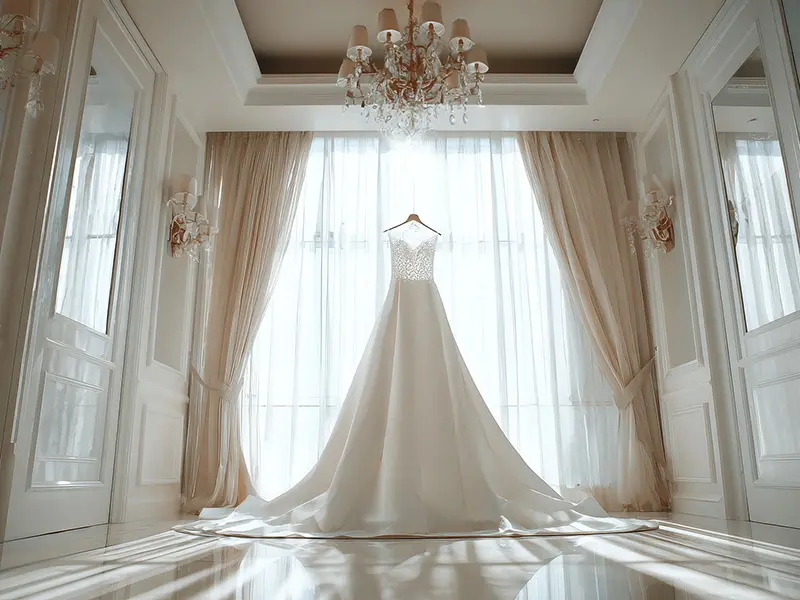
Lace has always occupied a core position in bridal design. Delving into the knitting techniques that shape delicate lace...
An overview of polyester fiber fabrics, exploring chemical formulation, synthetic structure, and mechanical properties.
We strive to provide customers with quality products. Request technical sheets, free material swatch kits, and volume price lists. Our design engineers will reply within 24 hours.
Request Samples & QuotesExplore our complete catalog of sheer, elastic, and high-purity medical warp-knitted textiles.
 WEIJIN TEXTILE