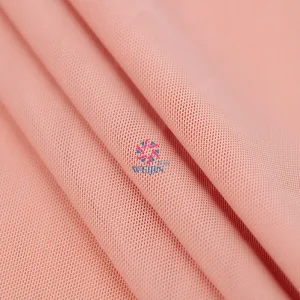
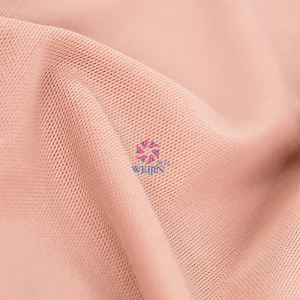
Engineered substrates for delicate embroidery applications, catering specifically to high-performance commercial demands.
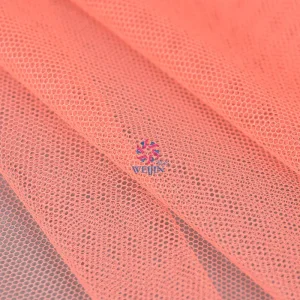
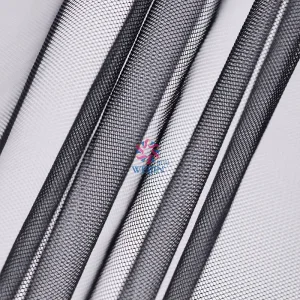
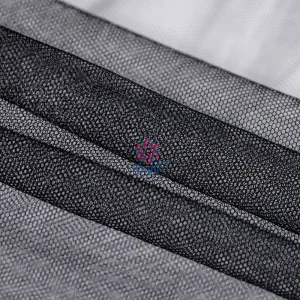
The textile and apparel sectors in Rajshahi, historically celebrated for their rich silk-weaving heritage, are undergoing a profound technological transformation. Today's commercial boutique networks, industrial fashion brands, and export processing enterprises require high-performance, precision-engineered warp-knitted mesh substrates. As a leading manufacturer supplying global markets, Fujian Weijin Textile Technology Co., Ltd. delivers the high-tensile nylon and polyester mesh fabrics needed to elevate Rajshahi’s local embroidery sector.
Traditionally, the Rajshahi market thrived on handloom silk fabric. However, modernization demands lighter, more resilient fabrics that can handle heavy embroidery (such as zari, kora, sequins, and corded works) without compromise. Modern Schiffli and multi-head computerized embroidery machines require base nets with exceptional dimensional stability.
Warp-knitted mesh fabrics—particularly those crafted with 15D and 20D synthetic fibers—have become the preferred substrate. Unlike weft-knitted equivalents, warp-knitted meshes do not unravel when cut or punctured by embroidery needles. This structural stability minimizes warp-run defects, ensuring that intricate embroidery designs remain intact throughout intense washing and post-processing cycles.
Selecting the ideal polymer is critical for ensuring optimal post-embroidery performance. Product developers sourcing for the Rajshahi market must choose between two main synthetics:
Our manufacturing processes leverage German Karl Mayer warp-knitting machines to produce uniform cell patterns (including hexagonal, diamond, and square meshes). This precision control minimizes variations in fabric weight (GSM), which is crucial for maintaining consistent tension during computerized embroidery.
International buying houses sourcing embroidered garments from South Asia enforce strict quality guidelines. Key parameters to monitor include:
We supply Rajshahi's domestic manufacturers and export processing zones with customizable finishing options. These include anti-static treatments to prevent fabric sticking during cutting, flame-retardant finishes for home textiles, and hydrophilic coatings to improve moisture transport. Our design team works directly with local designers to adjust mesh size and shape, ensuring the base fabric perfectly complements the final embroidery design.
To assist textile engineers in calculating embroidery needle density and sewing speed, the table below highlights key performance metrics for our standard mesh selections:
| Fabric Quality Code | Fiber Composition | Nominal Weight (GSM) | Bursting Strength (kPa) | Primary Application |
|---|---|---|---|---|
| 20D Polyester Mesh | 100% Polyester | 22 GSM | ≥ 180 | Delicate bridal embroidery, overlays |
| 20D Nylon Swiss Dot | 100% Polyamide | 28 GSM | ≥ 210 | Festive wear, high-end children's wear |
| 45420 Nylon-Spandex | 64% Nylon / 36% Spandex | 190 GSM | ≥ 480 | Athleisure panels, shapewear support |
| 15D Nylon Tulle | 100% Polyamide | 9 GSM | ≥ 95 | Ultra-sheer bridal veils, couture layers |
Understanding the logistical journey from our primary factory in Changle Jinfeng, China, to the Rajshahi Division is essential for minimizing manufacturing lead times. We ship goods from Fuzhou Mawei Port directly to Chittagong Port (CTG) or Mongla Port. Our logistical pipeline manages all import documentations—including Proforma Invoices, Packing Lists, Certificates of Origin, and Bills of Lading—to ensure smooth clearance through customs.
Once cleared, goods travel securely to local warehouses in Rajshahi. We pack our rolls in heavy-duty poly-woven bags to prevent moisture absorption and dust contamination during maritime and inland transport. This keeps the mesh fabric in pristine, ready-to-sew condition upon arrival.
Why modern apparel manufacturers in the South Asian market trust our warp-knitted mesh fabrics.
We source only high-grade, virgin Nylon and Polyester chips, preventing brittle fibers and ensuring maximum tensile strength during high-speed machine stitching.
Our production facilities utilize German-built Karl Mayer warp knitting machinery, maintaining precise loop geometries and flat stitch lay downs.
Our dyehouse runs closed-loop water treatment systems, using AZO-free dyes to ensure compliance with REACH regulations and global export standard testing.
Fujian Weijin Textile Technology Co., Ltd. is located in Changle Jinfeng, a famous warp knitting town in China. It is 10 kilometers away from Fuzhou Changle International Airport and only 20 kilometers away from Fuzhou Mawei Port. The transportation is very convenient.
Learn More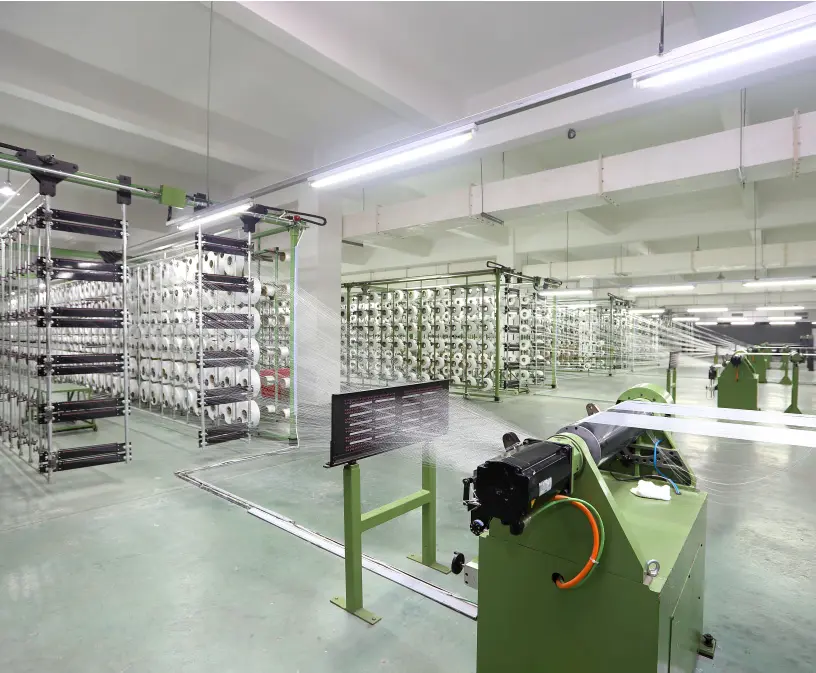
Explore our facility virtually and witness the advanced machinery powering our production capacity.
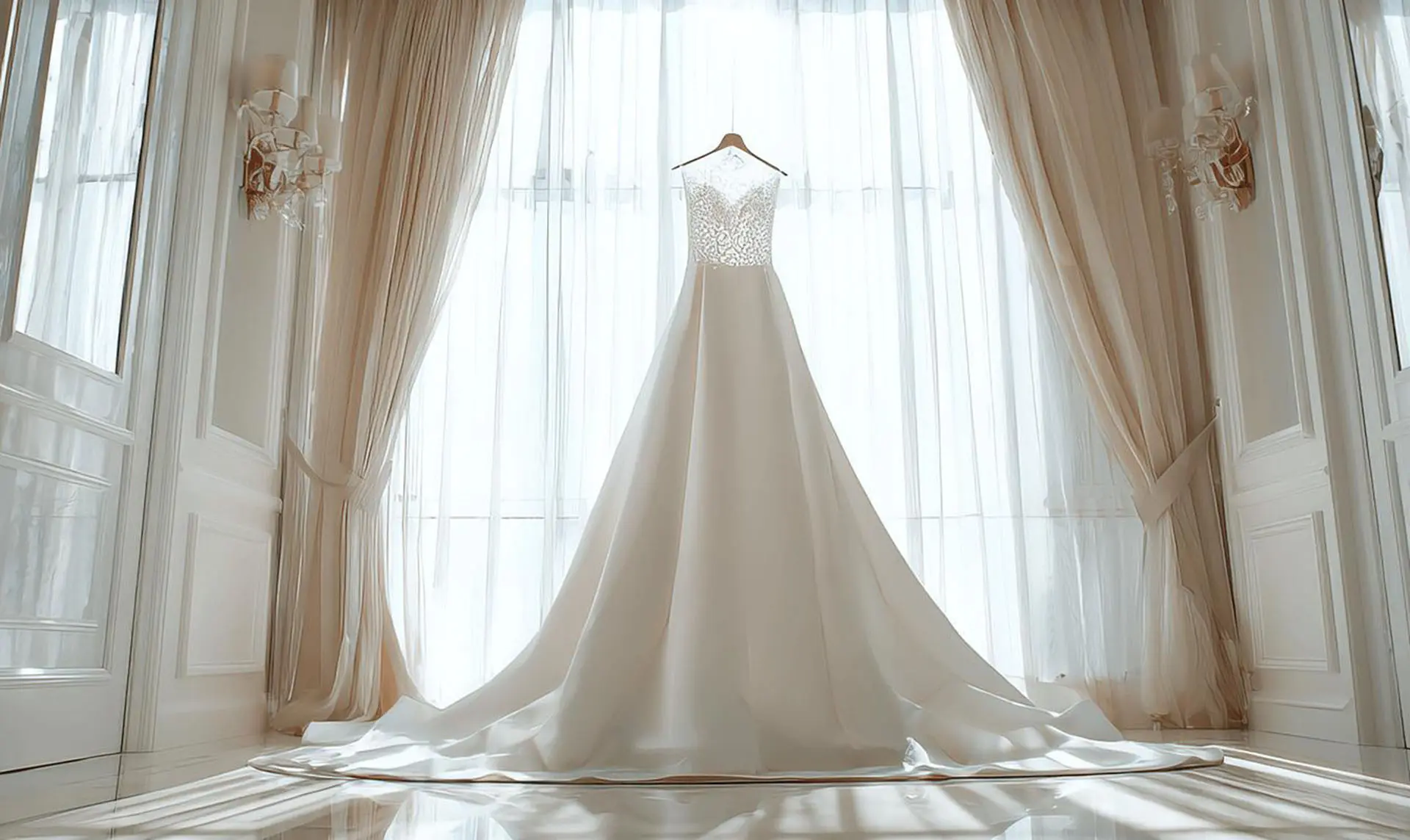
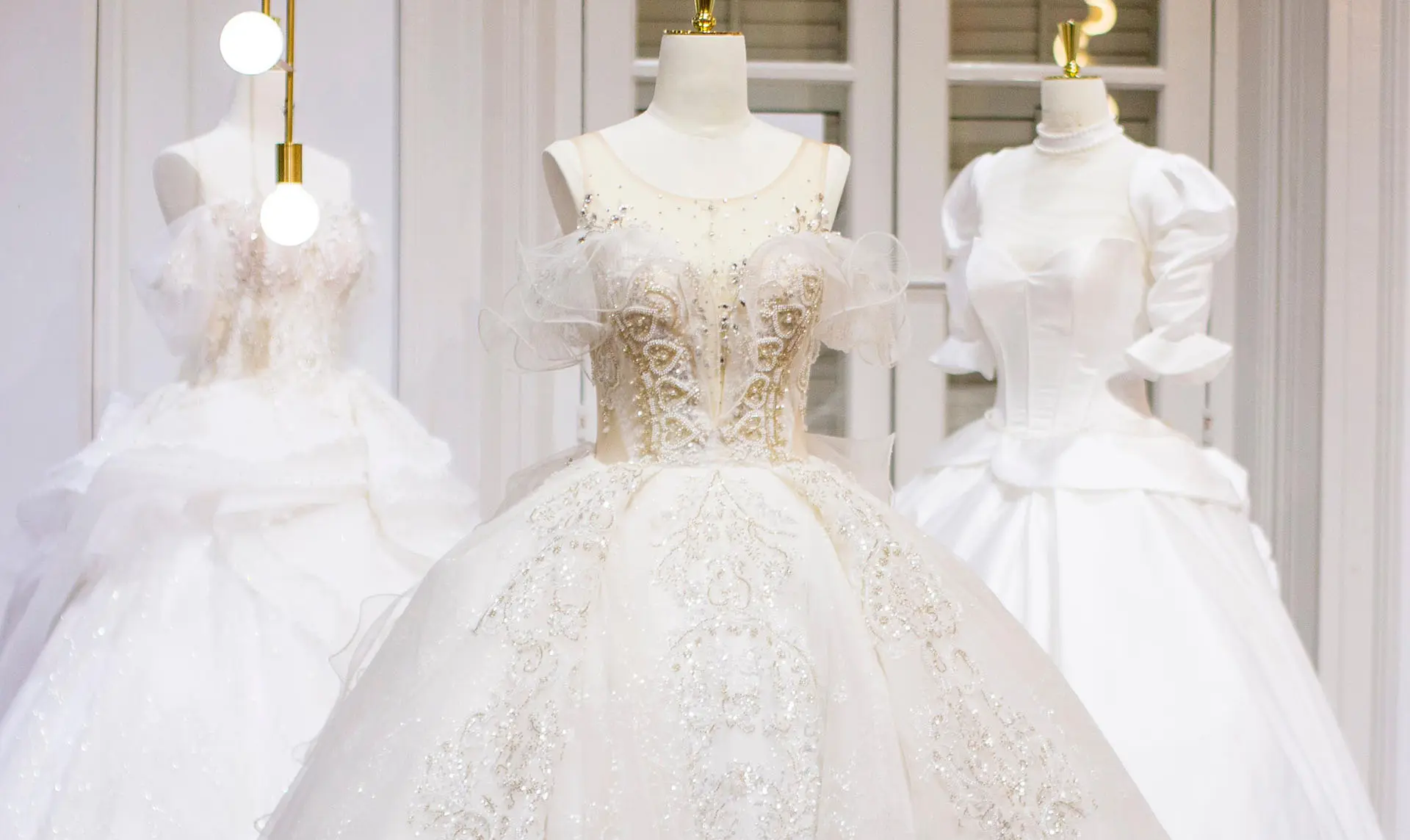

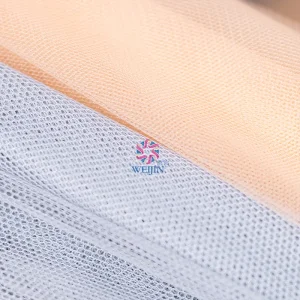
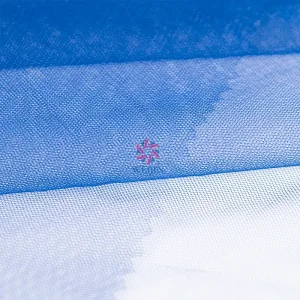
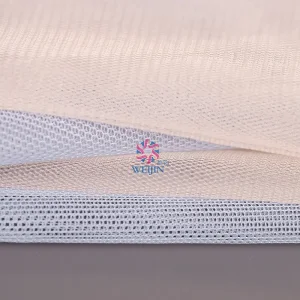
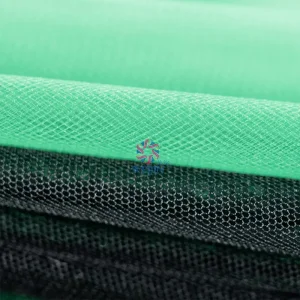
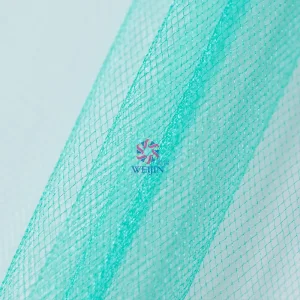
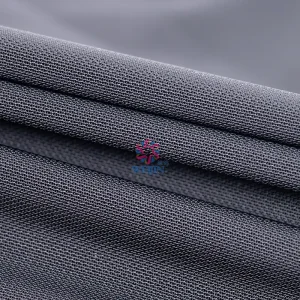
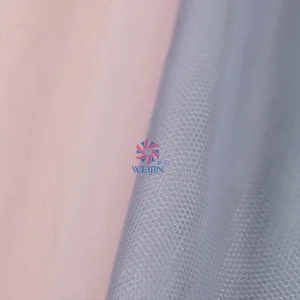
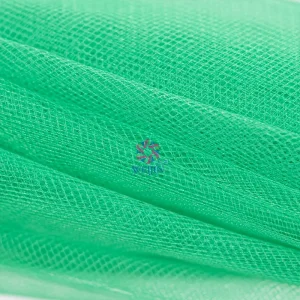
We mainly produce all kinds of high-end mesh fabric products
Quality check of 20D nylon mesh fabrics
Managing strict colorfastness requirements
How we prepare rolls for moisture protection
Addressing the core procurement, manufacturing, and shipping questions of textile buyers in Rajshahi.
Warp-knitted mesh uses a zig-zag stitch pattern along the length of the fabric, linking adjacent columns together. Unlike weft-knitted mesh, this structure prevents runs and runs if a thread breaks. This is crucial for heavy embroidery, where dense needle penetrations (such as sequence or heavy cord stitching) can tear weaker fabrics. Warp-knitted mesh maintains its shape under high tension, preventing puckering and distortion.
Nylon has a higher moisture regain rate (~4%) than polyester (~0.4%). Under high humidity, nylon mesh absorbs moisture, slightly weakening its fibers and temporarily expanding the fabric. This can cause tension issues during machine embroidery. We pack all fabric rolls in sealed, moisture-proof polythene bags. We recommend storing rolls in a dry, ventilated, and temperature-controlled environment before cutting.
Yes. Our polyester mesh products are highly resistant to acids, mild alkalis, and bleaching agents. For nylon meshes, avoid strong mineral acids, though they withstand typical commercial garment washing and softening cycles. When ordering, please share your processing plans so our engineers can recommend the best polymer chemistry for your needs.
Maritime shipping from Fuzhou Mawei Port to Chittagong Port (CTG) takes about 15 to 20 days, depending on route availability. Custom clearance and port handling at Chittagong generally takes 3 to 5 days, followed by 2 to 3 days of road or rail transit to Rajshahi. We provide tracking updates throughout the shipping process to help you plan production schedules.
Yes. We offer Global Recycled Standard (GRS) certified polyester mesh made from recycled PET bottles. These eco-friendly meshes provide the same strength, uniformity, and dye receptivity as virgin polyester, helping you meet the sustainability requirements of global apparel brands.
Keep pace with the latest developments in materials technology and global supply chain strategies.
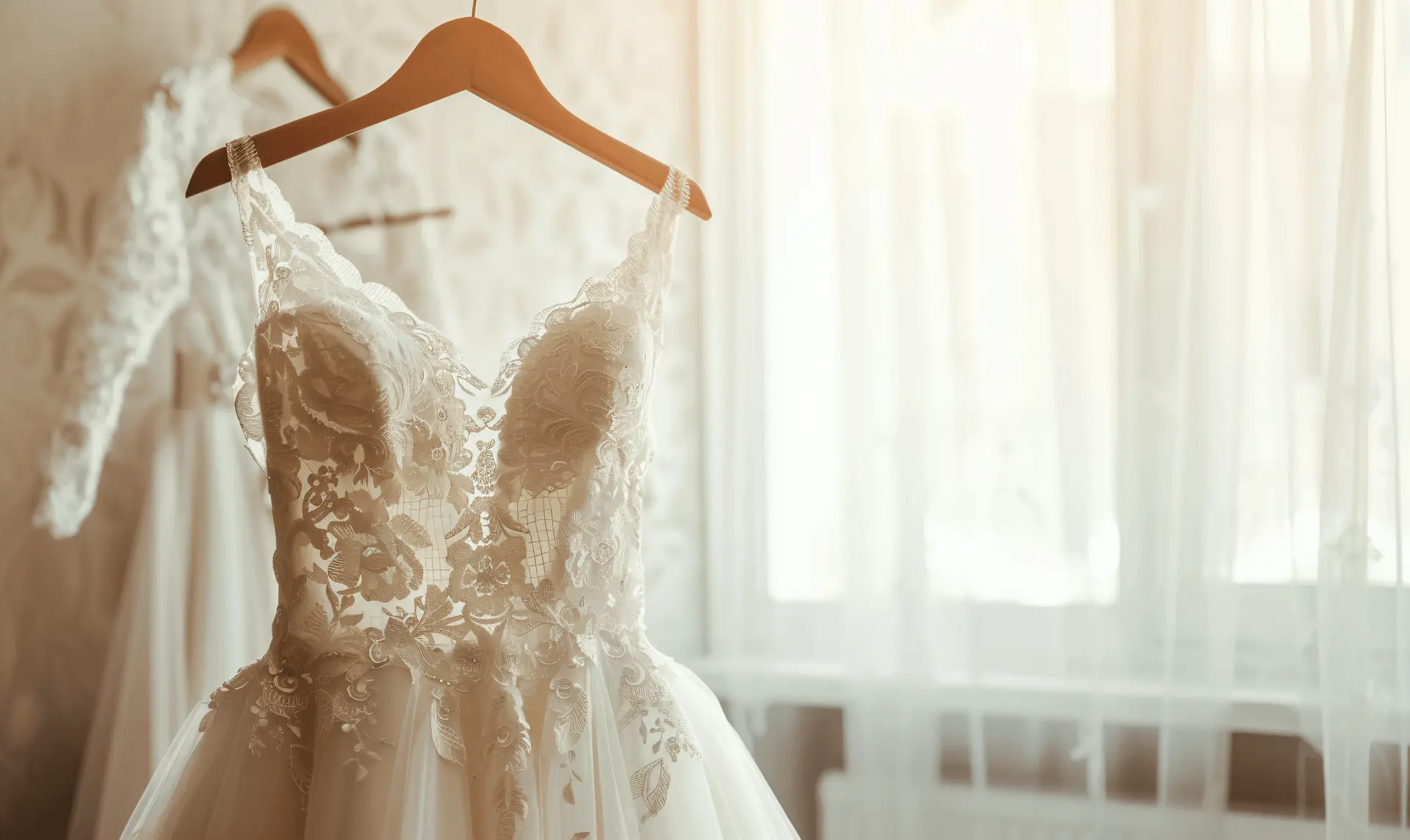
Both nylon and polyester are very common fabrics in our daily lives, but their properties vary significantly when subject to high tension embroidery...
Learn More →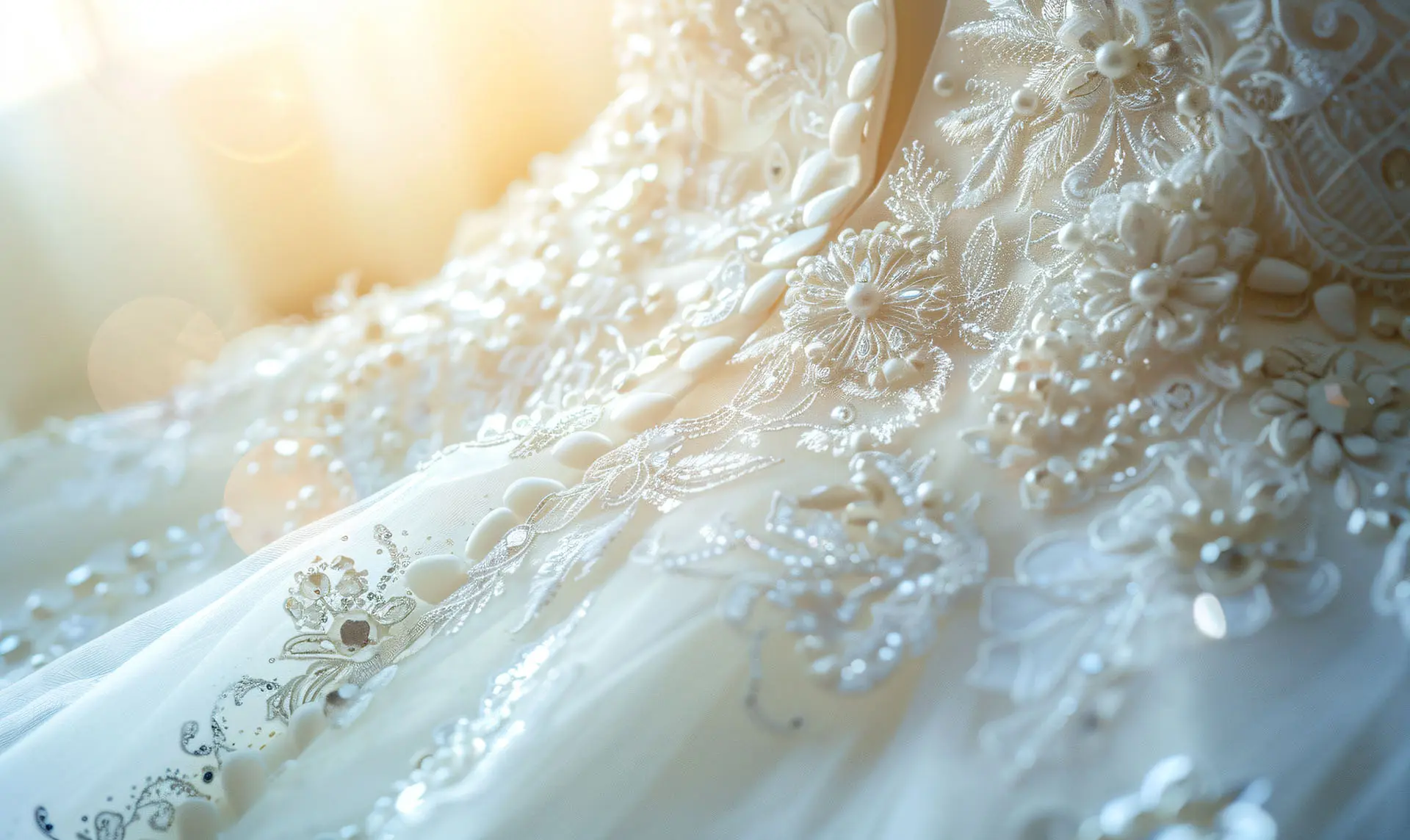
If lace wedding dress is the embodiment of romance, then satin wedding dress is a symbol of luxury and elegance. Satin, with its smooth and glowing surface...
Learn More →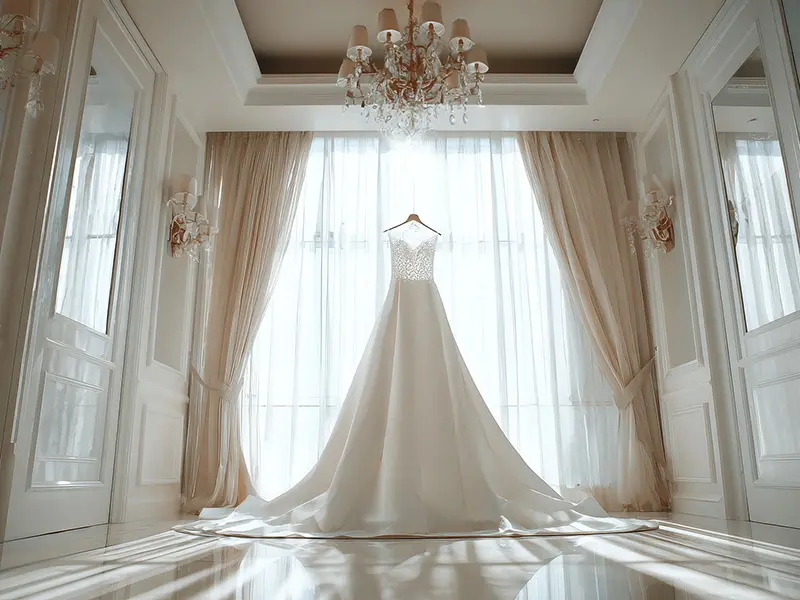
In the world of wedding dress design, lace has always occupied an irreplaceable core position. Delicate textures and soft patterns interpret timeless elegance...
Learn More →Explore our full range of technical mesh, bridal tulle, and specialty fabrics engineered for export-grade garment manufacturers.
We strive to provide customers with quality products. Request technical datasheets, fabric sample swatches, or direct quotes for the Rajshahi market.
Send Inquiry Now WEIJIN TEXTILE